
Choosing the Perfect Breathing Air Compressor for Your Dive Business: An Essential Guide
Most dive businesses overlook how crucial the right breathing air compressor is until something goes wrong. Getting this gear wrong risks safety, costs, and downtime—none of which you can afford. Let’s get you set up with equipment you can trust every time.
Understanding Breathing Air Compressors
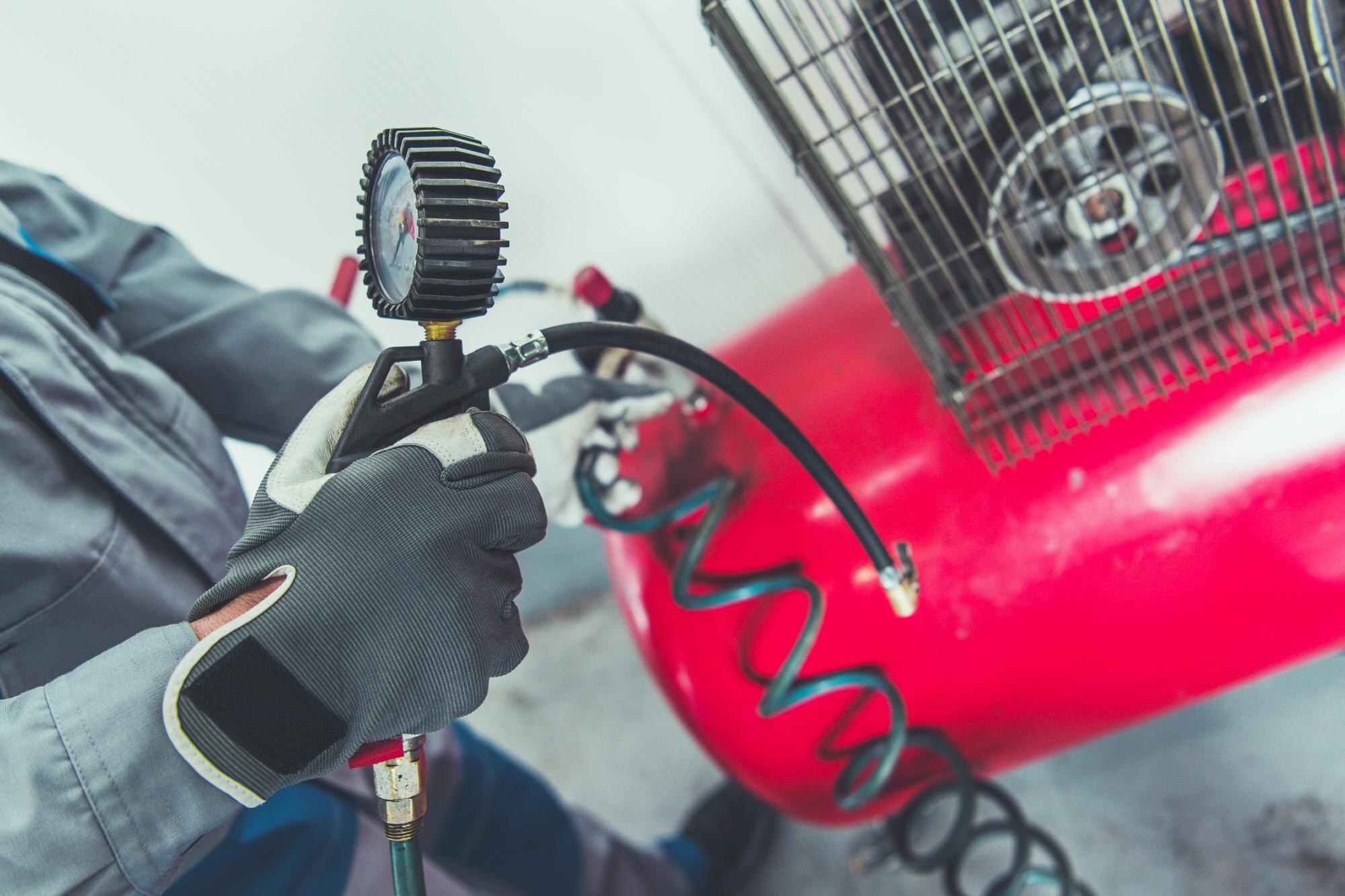
When considering a breathing air compressor, it’s crucial to understand its features and importance in scuba diving safety. This section will guide you through the key elements to ensure your dive business thrives.
Key Features to Consider
Choosing the right compressor involves knowing what features matter most. Begin with capacity—how much air can it provide, and how fast? For most dive operations, a minimum of 85 litres per minute is suitable. Noise level is another factor; quieter models, like those from Bavaria, offer a more pleasant experience. Durability is also key. Look for compressors with corrosion-resistant materials and vibration-dampened mounts, perfect for marine settings.
Power source is another consideration. Electric models are efficient, but petrol options add portability. If you opt for electric, ensure voltage compatibility. Maintenance accessibility can save time and money. A compressor that’s easy to service reduces downtime and keeps your operation running smoothly.
Importance of Scuba Diving Safety
Safety is paramount in diving. A reliable compressor ensures air quality, crucial for diver safety. Contaminated air can cause serious health issues. It’s vital to have compressors that meet international purity standards. Regular air checks and maintenance are necessary to prevent contamination. Many dive operators assume their systems are safe, yet neglecting checks can lead to costly failures.
By prioritising safety, you build trust with your clients. They rely on you to provide clean, safe air. This trust translates into repeat business and positive word of mouth. Remember, the longer you wait to address safety concerns, the higher the risk.
Selecting the Right Model for Your Dive Business

Now that you understand the basics, let’s dive into selecting the best model for your needs. Comparing popular options can help you make an informed decision.
IDE Compressors: Bavaria Nautic vs. FUN Marine
When choosing between IDE compressors, it comes down to specific needs. Bavaria Nautic models offer high capacity and are ideal for operations needing robust performance. They are quieter and have a longer service life, making them a wise investment for busy dive centres. On the other hand, FUN Marine compressors are more portable and cost-effective, perfect for mobile diving setups or smaller operations.
Here’s a quick comparison:
|
Feature |
Bavaria Nautic |
FUN Marine |
|---|---|---|
|
Capacity |
150 litres/min |
85 – 110 litres/min |
|
Noise Level |
Lower than 80 dB |
Similar |
|
Price |
$10,500 – $11,800 |
$7,200 – $8,200 |
|
Portability |
Portable |
Portable |
Choose based on your operation size and mobility needs. Both options guarantee reliable air solutions, but your specific requirements will dictate the best fit.
Balancing Cost and Reliability in Dive Business Equipment
Balancing cost and reliability is crucial for any dive business. While it might be tempting to choose the cheapest option, sacrificing reliability can lead to greater costs long term. Compressors like IDE provide German-engineered solutions that are both affordable and dependable. They offer up to 25% cost savings over similar brands without compromising on quality.
Consider the total cost of ownership—this includes initial price, maintenance, and potential downtime. Reliable compressors minimise unexpected expenses. Investing in a reputable brand also means access to local support and quick delivery, reducing wait times for repairs or parts.
Ensuring Reliable Air Solutions
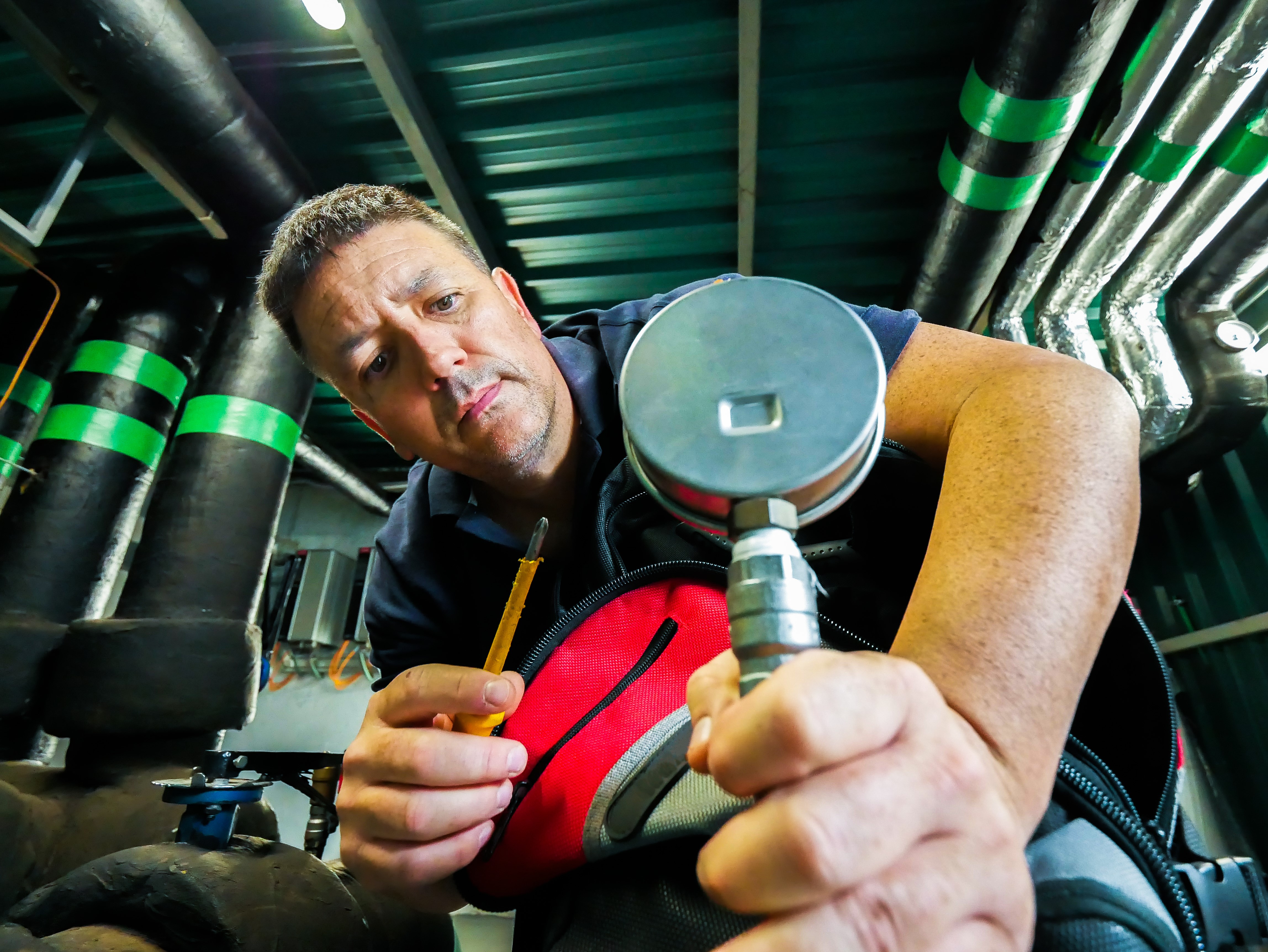
After selecting the right compressor, maintaining its performance is essential. Regular checks and community trust are key to keeping your business running smoothly.
Regular Maintenance and Inspections
Routine maintenance is non-negotiable. Regular inspections help catch potential issues before they escalate. Plan a maintenance schedule based on usage and manufacturer recommendations. For instance, after every 100 hours of operation, conduct a thorough check. This ensures your system stays in peak condition.
Neglecting maintenance can lead to equipment failure and costly repairs. It’s a common oversight that many dive operators regret. Don’t let minor issues grow into major problems—stay proactive with upkeep.
Building Trust with Your Dive Community
Trust is your most valuable asset. When divers know they can rely on your equipment, they return. Be transparent about your maintenance practices. Share how you ensure their safety and why your compressors lead the industry.
Engage with your community. Gathering feedback not only builds trust but offers insights into improving your services. Most operators think they’re doing enough, but engagement reveals areas for enhancement. Remember, your reputation hinges on the quality and reliability of your air solutions.
🌊🦑🏊♂️
By following these guidelines, you’re well on your way to ensuring your dive business is equipped with the best breathing air solutions. Prioritise safety, remain informed, and maintain your equipment diligently to foster a thriving diving community.