Ultimate Checklist for Maintaining Your Breathing Air Compressor: Safety and Efficiency Tips
You can’t afford to overlook breathing air compressor maintenance if safety is your priority. Neglecting key checks puts your team and gear at risk, whether you’re diving, responding to emergencies, or working industrial sites. This checklist breaks down essential compressor safety tips and servicing steps to keep your IDE compressors running reliably and your breathing air clean. Let’s get your system in top shape for every dive and mission ahead. For more detailed insights, check out this essential compressor safety checklist.
Essential Breathing Air Compressor Maintenance

Keeping your compressor in peak condition is about more than just routine checks. It’s about ensuring safety and reliability every time you need it. Here’s how you can maintain your equipment effectively.
Regular Inspection Routine
Every dive or operation starts with a thorough check of your system. Begin by examining all visible components for signs of wear or damage. Look for leaks, cracks, and any unusual sounds during operation. These could indicate a hidden issue that needs addressing. Make your inspections a habit, and you’ll likely catch problems before they escalate.
It’s also wise to review the entire setup periodically. This includes testing the pressure relief valves and ensuring the safety features are functional. A simple test each month can prevent a lot of future headaches. Most people think their compressor is fine without regular checks, but these small steps ensure a long lifespan for your gear.
Filter and Oil Changes
Filters and oil are the lifeblood of your compressor. Without fresh filters, your air quality might suffer, putting users at risk. Aim to replace filters according to the manufacturer’s specifications, often every 100 hours of use. Regular oil changes are equally vital, as oil degrades and loses efficacy over time. Monitor the oil’s colour and level; dark or low oil is a clear sign it’s time for a change.
Changing the oil isn’t just about following guidelines, it’s about protecting your investment. A compressor running on old, dirty oil can overheat and fail. This not only impacts performance but could lead to costly repairs. Here’s the key insight: fresh oil and clean filters keep your system healthy.
Monitoring Pressure Levels
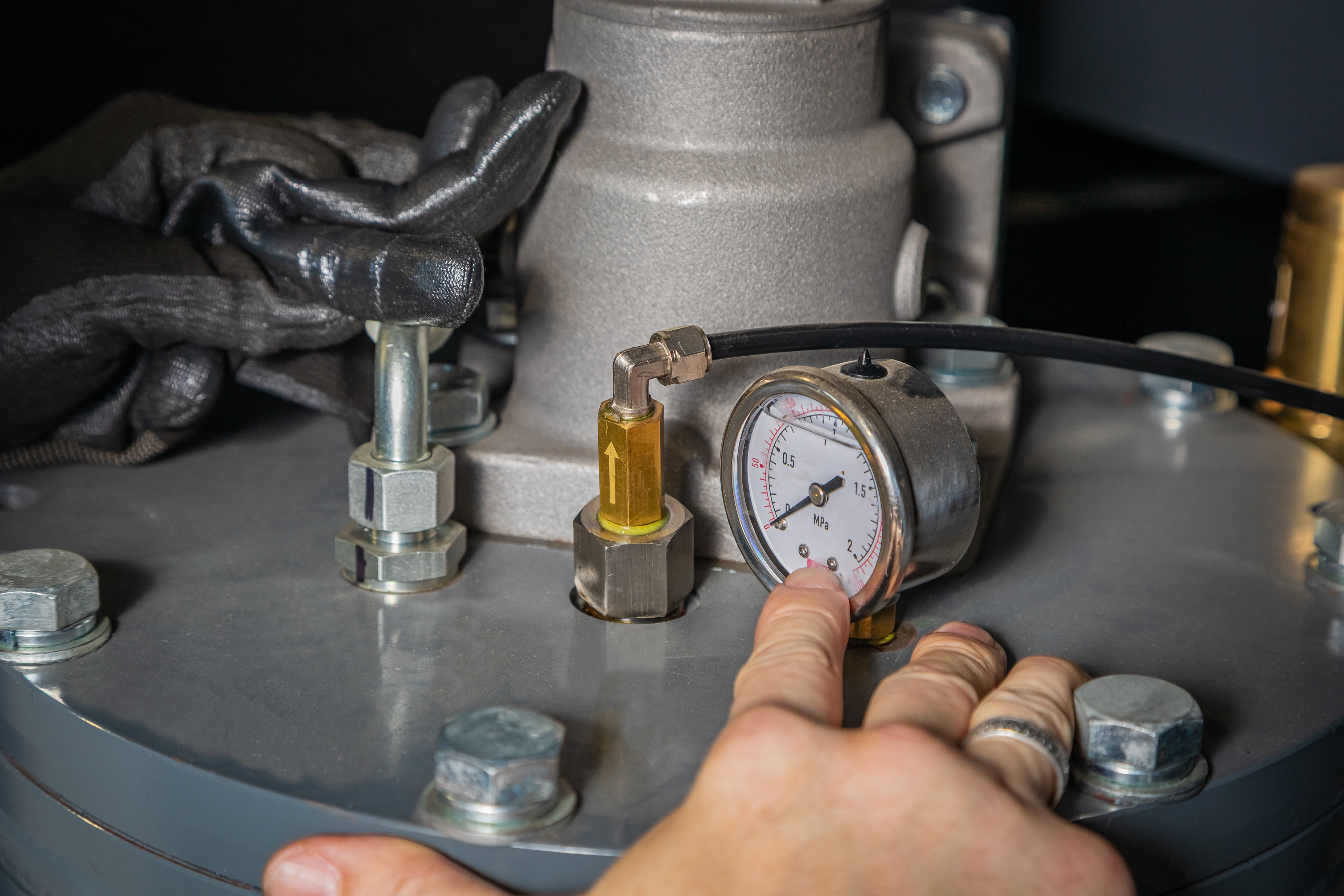
Pressure levels are crucial for safety and efficiency. Regularly check that your compressor maintains the correct pressure, as recommended for your specific model. An IDE compressor running at optimal pressure ensures your breathing air remains pure and safe. Installing a pressure gauge is a smart move, allowing you to keep an eye on performance with ease.
Pressure issues might seem minor, but they can lead to significant problems if ignored. Low pressure could mean your system is overworked, while high pressure might suggest a blockage. Catching these signs early can prevent a breakdown. If you’re unsure how to maintain pressure levels, a professional servicing might be necessary.
Compressor Safety Tips for Operators

Beyond maintenance, understanding safe operation is crucial. Here are some essential tips to keep things running smoothly.
Inspecting Hoses and Connections
Hoses and connections are often overlooked, yet they play a critical role in your compressor’s performance. Regularly inspect for wear and tear, ensuring there are no leaks or splits. Even a small imperfection can lead to reduced efficiency or air contamination.
When inspecting, pay attention to the connection points. These are often the first to show signs of wear. Replace any damaged hoses immediately, as neglecting them could compromise safety. Remember, a strong connection ensures that your air supply remains uninterrupted.
Proper Ventilation Practices
Ventilation is key to preventing overheating and ensuring your compressor operates efficiently. Place the unit in a well-ventilated area, away from walls or obstructions. Maintaining a clear space around your compressor allows for proper air circulation, reducing the risk of overheating.
Improper ventilation is a common oversight. Most people think their compressor can be tucked away, but it needs room to breathe. Ensure fans or vents are not blocked, and clean any dust or debris regularly. Good ventilation not only protects your compressor but also extends its lifespan.
Emergency Shut-off Procedures
Knowing how to quickly shut off your compressor in an emergency can prevent accidents. Familiarise yourself with the emergency stop button and ensure it’s easily accessible. Instruct all operators on its use, so everyone knows what to do if something goes wrong.
It’s easy to assume an emergency won’t happen to you, but preparation is key. Regular drills can make sure everyone is ready in case of a real incident. Safety is about being proactive, not reactive.
Maximising IDE Compressor Performance
To get the most from your IDE compressor, understanding your equipment is essential. Here’s how you can optimise its use.
Understanding Your IDE Model
Each IDE compressor has unique features designed to enhance performance. Familiarise yourself with your model’s specifications and capabilities. This knowledge allows you to utilise it fully and maintain it correctly. Consult the manual or speak to a technician if you’re unsure.
Understanding your model isn’t just about know-how; it’s about making informed decisions. For instance, knowing the ideal pressure settings can improve efficiency and prevent wear. Your IDE compressor is a precision tool — treat it as such.
Scheduling Regular Servicing 🛠️
Regular servicing is the backbone of compressor maintenance. Schedule a professional check-up at least once a year. This not only keeps your system in top shape but also catches any potential issues early. A qualified technician can provide insights into your compressor’s health and suggest improvements.
The longer you wait for servicing, the greater the risk of unexpected failures. Regular check-ups ensure your compressor remains reliable and efficient. Investing in professional servicing can save you both time and money in the long run.
In conclusion, maintaining and operating your breathing air compressor with care ensures safety and reliability. By following these guidelines, you can maximise performance and extend the lifespan of your equipment. Prioritising maintenance and safety means peace of mind every time you use your system.