
Maintenance that keeps your breathing air compressor reliable for the long haul
Breathing air compressors don’t fail on their own—they break down when maintenance slips. If you’re relying on your compressor day in, day out, skipping key upkeep puts safety and compliance at risk. This guide lays out practical breathing air compressor maintenance routines that keep your system running reliably under Australian conditions, so you can focus on what matters without worrying about your air supply.
Essential Maintenance Practices
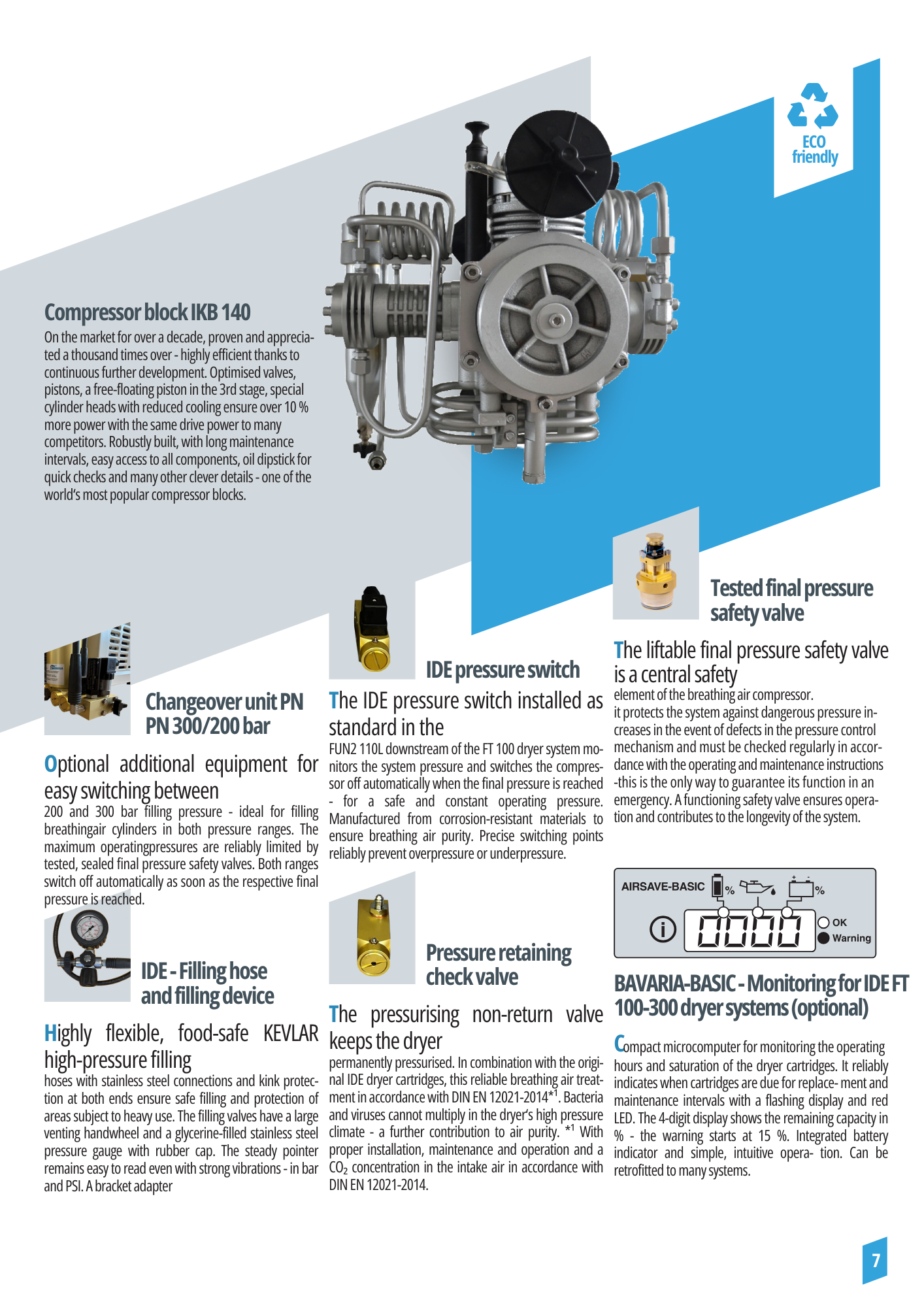
Keeping your breathing air compressor in top shape requires regular attention to detail. Let’s dive into the essentials that ensure your compressor remains a dependable part of your operation.
Regular Breathing Air Compressor Maintenance
The secret to a reliable compressor lies in consistent upkeep. Regular maintenance prevents unexpected breakdowns and assures you of safe air quality. Start by scheduling routine checks—daily, weekly, and monthly. Each schedule targets different aspects of the compressor. Daily checks can include inspecting the compressor for visible damage and ensuring there are no leaks. Weekly tasks might involve cleaning the air intake and checking connections. Monthly maintenance should focus on deeper inspections, ensuring all systems are running smoothly.
Remember, consistent maintenance isn’t just about ticking boxes. It’s about making sure your compressor delivers clean, safe air every time. For instance, daily inspections can catch minor issues before they become big problems. This proactive approach not only extends the life of your compressor but also keeps your operations running without costly interruptions.
Scuba Compressor Service Australia
In Australia, the demands on scuba compressors are unique. With varied conditions, from the Great Barrier Reef to the colder southern waters, your equipment must perform reliably. Regular service by certified professionals ensures your compressor handles these environments effectively. Certified technicians are trained to spot potential issues that might go unnoticed. They use specialised tools and techniques to test the compressor’s performance and ensure everything meets Australian standards.
Routine service is more than a preventative measure; it’s a safeguard for your safety and investment. It ensures your compressor operates at peak efficiency, providing the air quality you need for every dive. By having your compressor serviced regularly, you’re not just maintaining a machine—you’re safeguarding your diving adventures and ensuring every dive is as safe as the last.
Key Component Care
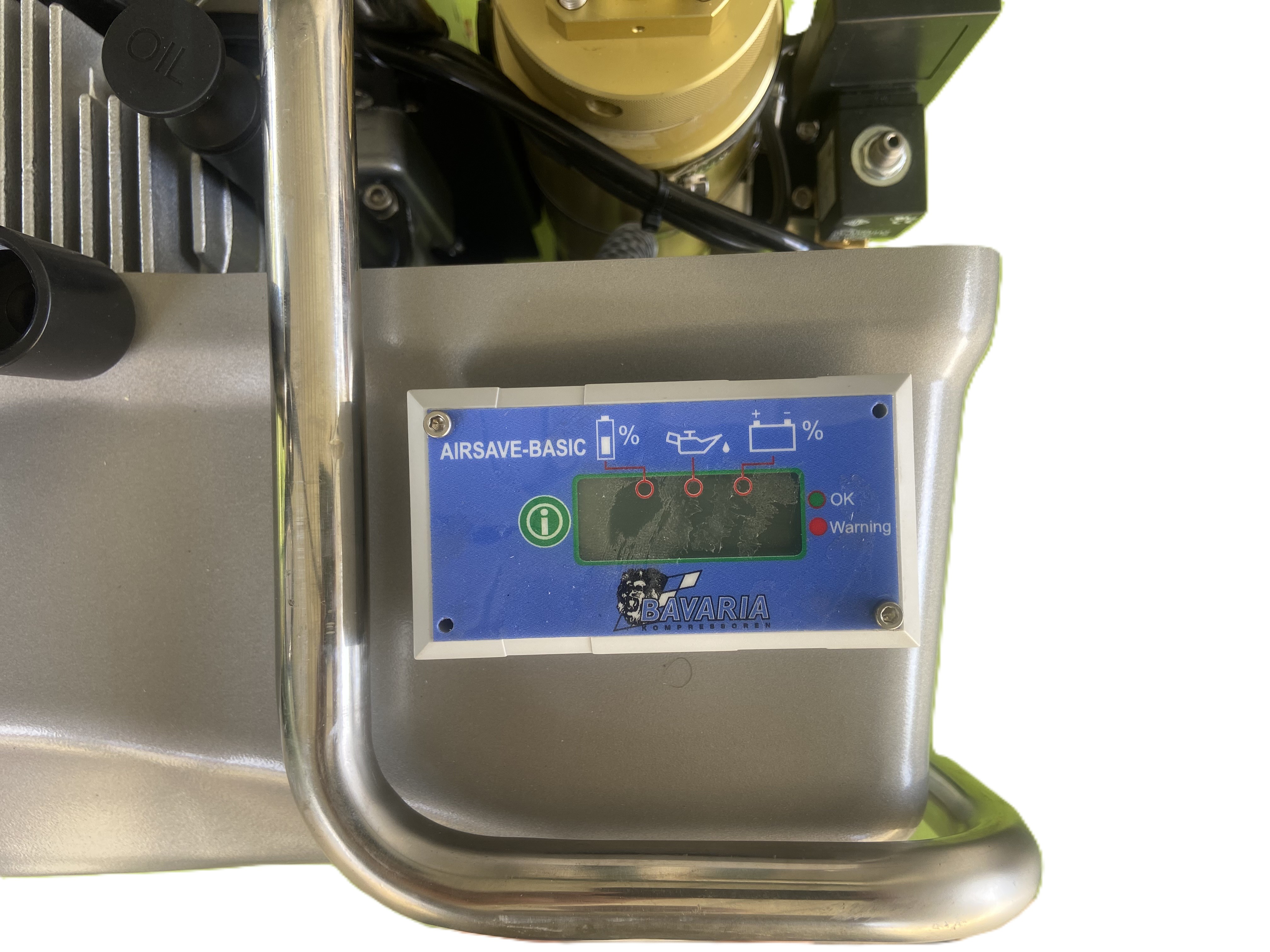
Now that we’ve covered the basics, it’s time to focus on the key components. Each part of your compressor plays a vital role in its overall performance.
IDE Compressors Australia and OEM Parts
Using IDE Compressors with genuine OEM parts is crucial. These parts are designed to fit perfectly and maintain the high standards expected from your equipment. OEM parts ensure compatibility and performance that aftermarket options can’t guarantee. When a component wears out, replacing it with an OEM part restores your compressor to its original efficiency.
For example, a genuine IDE filter ensures the correct air flow and filtration, which is vital for maintaining air quality. Regularly inspect and replace worn parts with OEM alternatives to keep your compressor running smoothly. This attention to detail ensures long-term reliability and reduces the risk of unexpected failures.
Filter Cartridge Replacement Intervals
Filters play a critical role in maintaining air quality. Over time, they become saturated and less effective, compromising the air you breathe. Adhering to recommended replacement intervals is non-negotiable. Check your manufacturer’s guidelines for specific timelines but a good rule of thumb is every 25 operational hours.
Monitor the condition of your filters regularly. If you notice a pressure drop or the air quality diminishes, it may be time for a change. Keeping spares on hand ensures you’re never caught out. By staying on top of filter maintenance, you guarantee clean air and extend the life of your compressor.
Compressor Oil Change Schedule
Oil changes are essential for smooth compressor operation. Oil lubricates moving parts and helps dissipate heat. Over time, it breaks down and loses effectiveness, which can lead to increased wear and tear. Establish a routine oil change schedule based on usage—typically every 500 operational hours is advised.
Neglecting oil changes can lead to increased friction and potential damage. Regularly checking oil levels and quality ensures your compressor runs smoothly, reducing repair costs over time. This simple, routine task is key to maintaining your compressor’s health and ensuring it delivers reliable performance.
Environmental Considerations

Your compressor operates in diverse environments, each posing unique challenges. Let’s explore how to protect your equipment from external elements.
Marine Compressor Corrosion Prevention
Saltwater environments are harsh on equipment. Corrosion is a constant threat, but with the right precautions, you can protect your compressor. Regularly rinse your compressor with fresh water after exposure to saltwater. This simple step removes salt deposits and prevents corrosion.
Consider applying protective coatings to metal components, further shielding them from the elements. Regular inspections for rust or corrosion help catch problems early. By taking these precautions, you protect your investment and ensure your compressor withstands the test of time.
Intake Placement for Clean Air
The position of your air intake affects the air quality your compressor processes. Ideally, it should be placed away from potential contaminants like exhaust fumes or dust. Elevating the intake can help avoid ground-level contaminants.
Regularly check and clean the intake area to ensure unrestricted air flow. A well-placed intake improves efficiency and air quality, ensuring your compressor operates under optimal conditions. Proper placement is a simple yet effective step in maintaining high standards of air quality.
Compressor Cooling and Ventilation
Proper cooling and ventilation are vital for compressor longevity. Overheating can cause significant damage, reducing efficiency and increasing repair costs. Ensure your compressor is in a well-ventilated area, free from obstructions that could block airflow.
Regularly clean cooling fins and check for signs of overheating. Installing fans or vents can enhance airflow, keeping the compressor cool even during extended use. By managing temperature effectively, you protect your compressor from unnecessary stress and ensure it performs reliably.
By following these maintenance practices, you not only extend the life of your breathing air compressor but also ensure it delivers the safe, reliable air you depend on. Prioritising these tasks means peace of mind, knowing your equipment is ready to support you in all conditions.