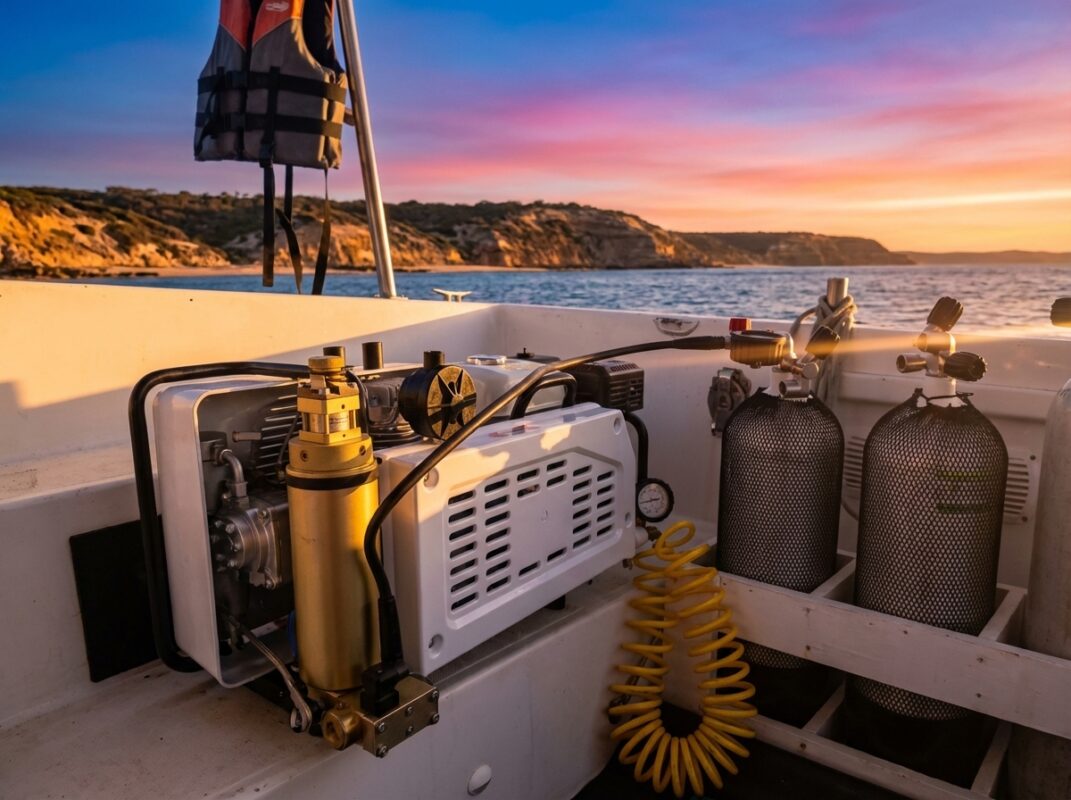
Operating breathing air compressors in Australia: heat, humidity, salt and dust—what really matters
Australian climate compressors face challenges no other market does. Your breathing air quality Australia depends on handling heat, humidity, salt, and dust that test every system’s limits. Understanding these factors helps you choose and maintain compressors that meet EN 12021 air quality standards and keep your operation compliant with AS/NZS 2299.1 diving air requirements. Let’s break down what really matters to keep your breathing air safe and reliable under tough Australian conditions. Read more here.
Operating in the Australian Climate
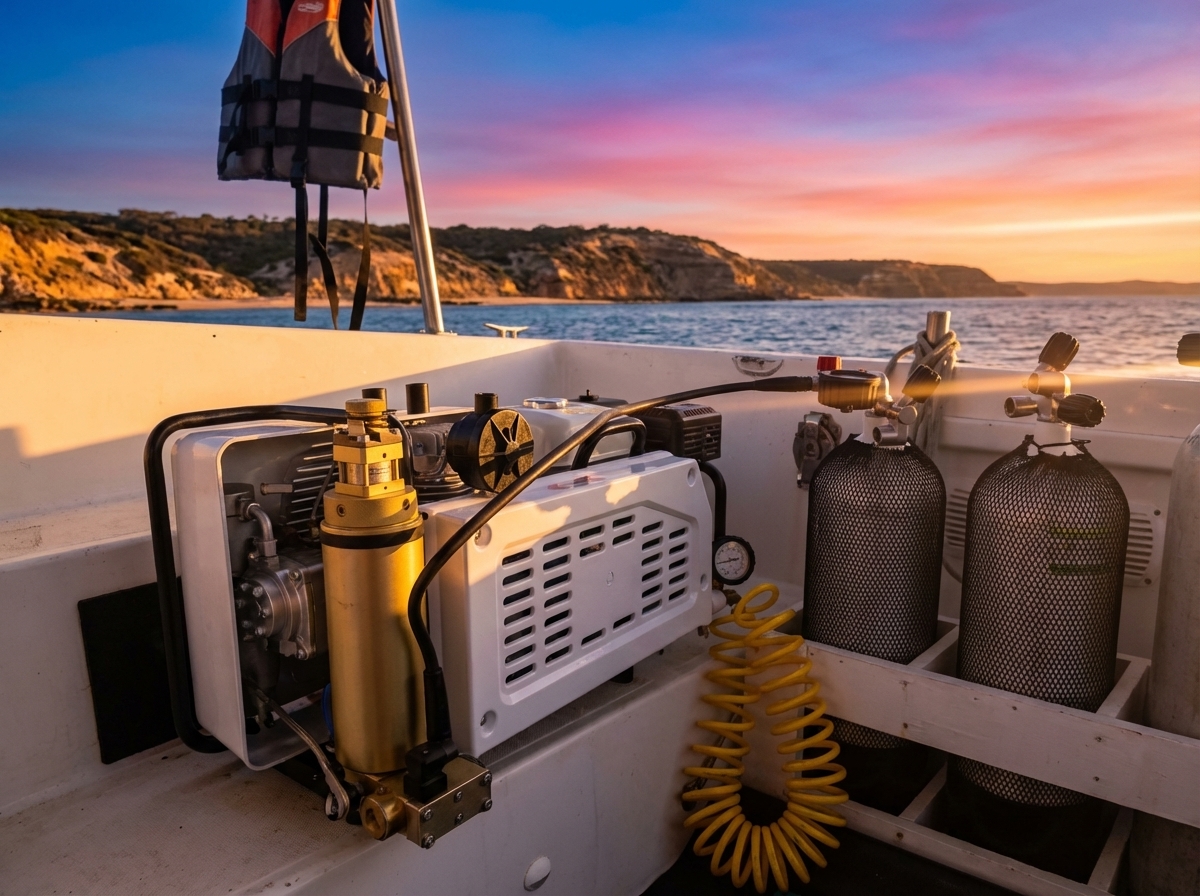
Breathing air compressors in Australia must contend with the unique and harsh environmental conditions. Let’s explore how to manage these challenges effectively.
High Ambient Temperature Challenges
Australian summers are legendary for their heat. This intense climate can affect your compressor’s performance. High temperatures increase the risk of overheating, which can damage your equipment. To prevent this, ensure your compressor has ample ventilation and is located in a shaded area. Regular maintenance is key. Checking the cooling system and lubricant levels can help manage the heat. As temperatures rise, the coolant and oil can evaporate or degrade, leading to mechanical failures. Keeping a close eye on these systems is crucial. For those in particularly hot regions, upgrading to a high ambient temperature compressor may be beneficial. These models are designed to handle the heat more efficiently, extending the lifespan of your equipment and ensuring reliable performance.
Tropical Humidity and Filtration Life
Humidity in Australia can be relentless, particularly in tropical regions. This moisture can wreak havoc on your compressor’s filtration system. It’s crucial to monitor the tropical humidity filtration life of your equipment. High moisture levels can lead to clogged filters, reducing airflow and increasing pressure on the compressor. To combat this, consider using filters specifically designed for high humidity environments. These filters are more robust and can handle moisture better than standard ones. Regular inspection and timely replacement of filters are essential to maintaining optimal performance. Remember, a clogged filter not only affects efficiency but also compromises the breathing air quality Australia depends on.
Salt Air and Marine Corrosion
For those operating near the coast, salt air is a persistent concern. Salt accelerates corrosion, which can severely damage your compressor. Investing in a marine-grade compressor coating can offer a layer of protection against this. Regular cleaning is also vital. Washing down your equipment with fresh water can help remove salt deposits. Additionally, using stainless hardware can prevent rust, further safeguarding your compressor. Keeping these factors in check ensures your equipment remains in top condition, providing reliable air quality even in a salty environment. Learn more about this on Instagram.
Combating Dust and Smoke
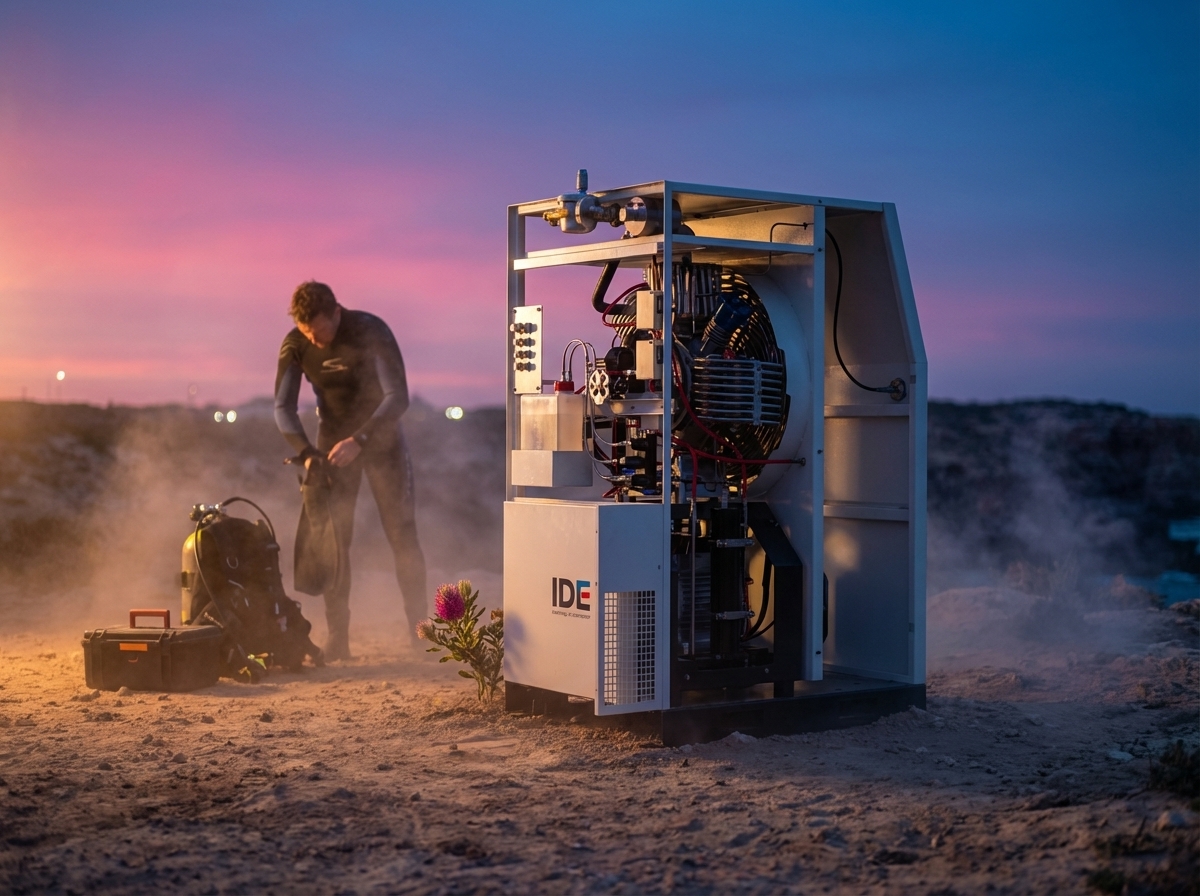
Dust and smoke are prevalent in many Australian regions and can significantly impact compressor operations. Here’s how to tackle these issues effectively.
Red Dust in the Outback
The outback is known for its red dust, which can infiltrate compressors, causing wear and tear. Using a dust pre-filter compressor can help mitigate this issue. These filters trap dust before it enters the system, protecting the internal components. Regularly checking and replacing these filters is crucial. The outback’s dust can be abrasive, leading to premature failure if not managed properly. Consider setting up a maintenance schedule to ensure filters are always in optimal condition. This simple step can prolong the life of your compressor and maintain its efficiency.
Bushfire Smoke Intake Precautions
Bushfires are a reality in Australia, and the resulting smoke can affect your compressor’s intake air. Smoke particles can clog filters and reduce air quality. Installing smoke detection systems can alert you to increased smoke levels, allowing for timely interventions. During fire seasons, it might be wise to avoid running compressors when smoke levels are high. Additionally, using activated carbon molecular sieves can help filter out smoke particles, ensuring the air remains safe to breathe. Being proactive about these precautions can prevent damage and maintain air quality.
Dust Pre-filter Compressor Solutions
Dust is a common problem across many parts of Australia. Implementing dust pre-filter compressor solutions can help. These systems are designed to trap dust before it enters the compressor, preserving the integrity of the internal components. Regular maintenance and timely replacement of these filters are essential. By keeping dust at bay, you ensure your compressor operates smoothly and efficiently, reducing the risk of breakdowns and maintaining high air quality standards.
Reliable Compressor Operation
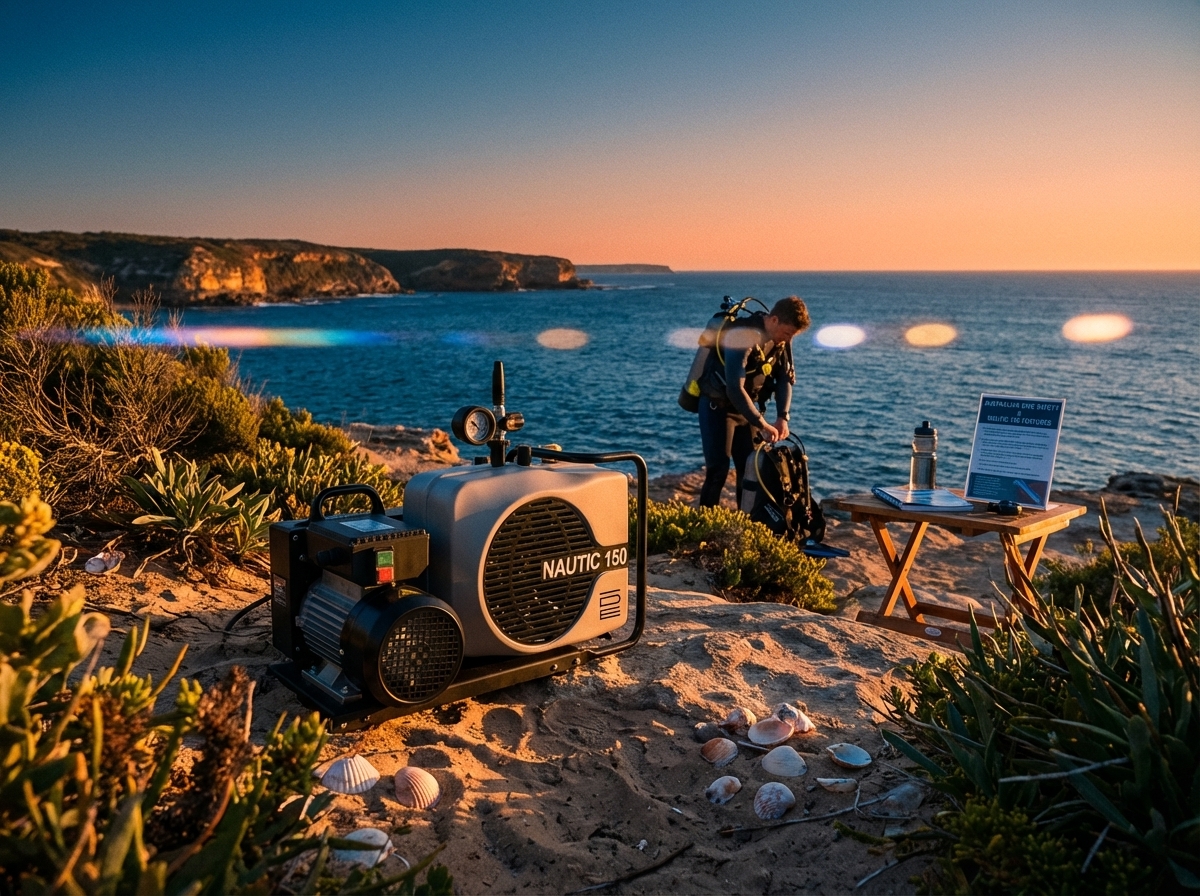
Ensuring reliable operation of your compressor is critical, especially in remote areas or challenging environments. Here are some considerations to keep in mind.
Remote Area Diving Considerations
Diving in remote areas poses unique challenges. Compressors must be reliable, as access to maintenance can be limited. Choosing a compressor with a robust design and easy serviceability is essential. Consider models that offer automatic condensate drains and monitoring, which can alert you to potential issues before they become problems. Having spare parts on hand and understanding basic maintenance can also be beneficial when operating in isolated locations.
Power Quality for Compressors
Power quality is crucial for compressor performance. Inconsistent or poor-quality power can lead to failures or reduced efficiency. Ensure your power supply is stable and consider using a voltage regulator to protect your equipment. Regularly checking the power quality can prevent potential issues. For those operating in areas with unreliable power, consider investing in a generator with the correct specifications to support your compressor’s needs. Understanding generator sizing voltage drop can help in choosing the right equipment, ensuring smooth operation even in challenging conditions. Learn more about power solutions on Facebook.
Automatic Condensate Drains and Monitoring
Condensate build-up can affect compressor efficiency and air quality. Installing automatic condensate drains can help manage this issue, ensuring the compressor remains in optimal condition. These systems automatically remove condensate, reducing the risk of damage or inefficiency. Additionally, monitoring systems can alert you to potential issues, allowing for timely interventions. Incorporating these solutions can extend the lifespan of your compressor and maintain high air quality standards.
By understanding these environmental challenges and implementing practical solutions, you can ensure your breathing air compressors operate safely and efficiently, no matter where in Australia you are.