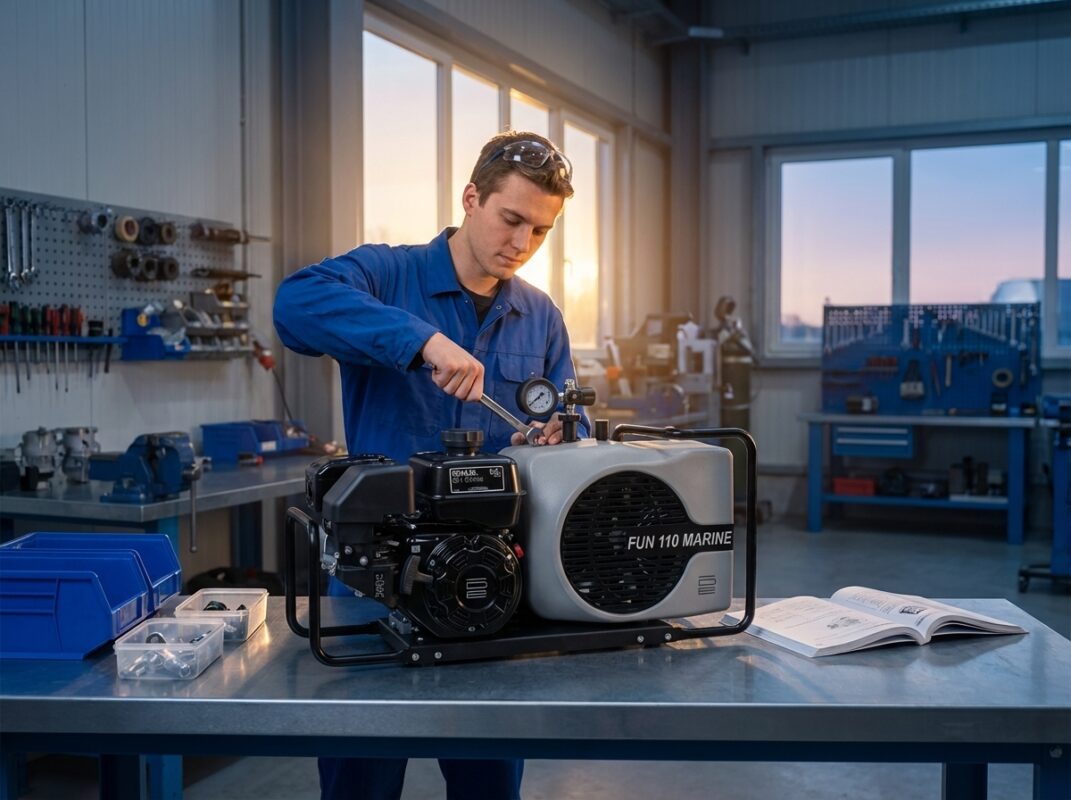
Best-practice servicing for marine and industrial breathing air compressors (Australia)
Breathing air compressors don’t tolerate shortcuts. When you’re working in tough marine or industrial conditions, a missed filter change or overlooked service can quickly compromise air quality and stall operations. This guide lays out clear, standards-aligned routines for breathing air compressor servicing that keep your IDE compressors Australia running safely and reliably. You’ll find practical advice on maintenance schedules, corrosion prevention, and air quality testing tailored for real-world challenges. For more detailed insights, check out this comprehensive guide.
Best-Practice Servicing Essentials
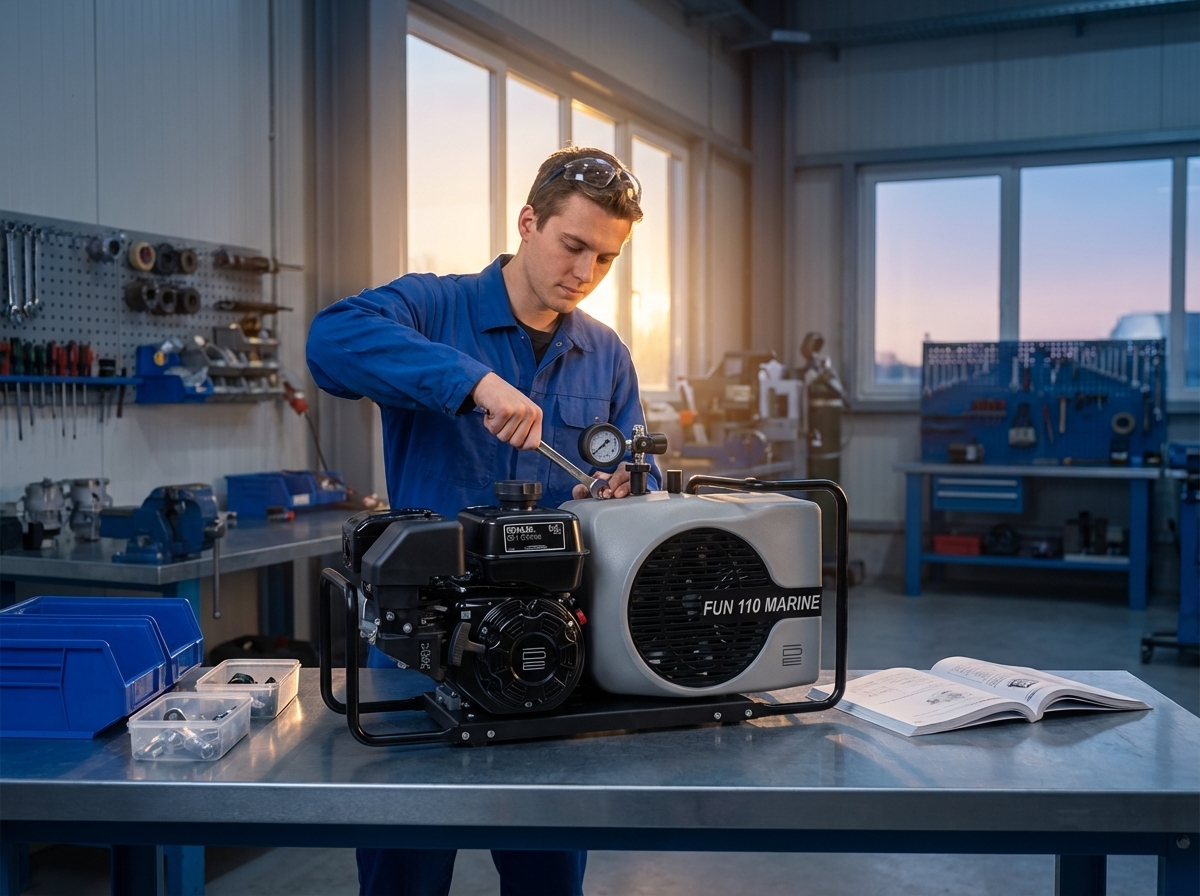
Understanding Breathing Air Compressor Servicing
Breathing air compressors are vital to keeping operations safe and efficient. Regular servicing ensures they perform at their best, preventing costly downtime. You’ll want to focus on routine inspections, timely filter changes, and keeping detailed service logs. A failed compressor isn’t just inconvenient; it can halt operations altogether.
Understanding the basics helps you maintain systems that deliver clean air consistently. Regular checks and adhering to maintenance schedules can prevent issues before they arise. By doing so, you’re not just maintaining equipment—you’re safeguarding the safety and productivity of your work environment. Check out this comprehensive guide for more detailed insights.
Key Components of Marine Compressor Maintenance
Marine environments are harsh, requiring special attention to compressor maintenance. The salty air can contribute to corrosion, making regular checks crucial. Focus on keeping seals intact and ensuring the compressor is free from rust. You’ll also want to check hoses and fittings for wear and tear.
Operating in such conditions means you’re likely dealing with saltwater exposure. To counter this, implement corrosion prevention measures like using protective coatings. Additionally, inspect the compressor’s air intake to ensure it’s free from contaminants. Regular maintenance here isn’t just a recommendation—it’s a necessity. For more tips, visit Marine Insight.
Importance of Industrial Air Compressor Service Australia
Industrial settings demand reliable compressor performance. Regular servicing ensures compliance with safety standards and extends equipment life. It’s about keeping air quality high and ensuring systems are ready when needed. This routine maintenance can save you from unexpected breakdowns and costly repairs.
In Australia, where industrial environments can vary widely, understanding local regulations is key. Keep service records up to date and make sure you’re following best practices for maintenance. This approach not only protects workers but also ensures that your operations run smoothly. Explore more on industrial air compressor best practices.
Standards-Driven Maintenance Practices

Ensuring AS/NZS 2299.1 Compliance
Standards like AS/NZS 2299.1 are crucial for maintaining safety in occupational diving operations. Compliance ensures that your breathing air systems are up to the task. Regular checks and adherence to these standards protect both the equipment and the people relying on it.
To comply, you need to maintain a rigorous service schedule. This includes regular audits and ensuring all servicing aligns with these standards. It’s not just about meeting legal requirements but ensuring that every dive is as safe as possible. For more about meeting these standards, check out this marine compressor safety guide.
Dive Compressor Service Schedule Insights
A well-planned service schedule is key to maintaining dive compressors. Regular checks and timely maintenance prevent unexpected failures. This schedule should include filter changes, inspections, and performance testing. It’s about being proactive rather than reactive.
By sticking to a schedule, you ensure that compressors are ready whenever needed. This not only boosts reliability but also extends the life of your equipment. Remember, a little planning goes a long way.
EN 12021 Air Quality Standards Explained
Understanding EN 12021 standards is essential for air quality management. These regulations ensure that the air you breathe is free from harmful contaminants. Regular testing and compliance checks are necessary to meet these standards.
By adhering to EN 12021, you ensure that air quality is never compromised. This involves regular testing and staying informed about the latest standards. Compliance here means safety and confidence in the air you’re breathing. More details on air quality standards can be explored further.
Enhancing Compressor Longevity and Performance

Compressor Filtration Change Intervals
Changing filters regularly enhances compressor performance and lifespan. It’s crucial to follow manufacturer guidelines for filter intervals. This ensures clean air and prevents contaminants from damaging the system.
Regular filter changes minimize wear and tear on the compressor. By maintaining clean filters, you ensure that the system runs efficiently and reliably. This simple step can significantly extend the life of your equipment.
Saltwater Corrosion Prevention Techniques
Saltwater exposure demands robust corrosion prevention techniques. Use protective coatings and regular inspections to keep corrosion at bay. It’s about preventing damage before it starts.
Implementing these techniques ensures that your compressor withstands harsh marine environments. Regular maintenance and protective measures can greatly reduce corrosion risks. Keeping your equipment in top condition is a top priority.
Benefits of CO and CO2 Monitoring for Compressors
Monitoring CO and CO2 levels is crucial for safety and performance. These gases can compromise air quality, making regular monitoring essential. It’s about ensuring the air you breathe is safe.
By investing in monitoring systems, you ensure that any potential issues are detected early. This proactive approach ensures safety and maintains high air quality standards. Trust in your equipment is built through diligent monitoring and maintenance.