
Breathing Air Quality for Australian Dive Operators: A Clear Guide to Standards and Compliance
Breathing air quality Australia isn’t just a box to tick—it’s the foundation of safe diving operations. If you’re managing a dive centre, liveaboard, or fill station, understanding which standards apply and how to test and document compliance can save lives and reduce liability. This guide breaks down EN 12021 Australia and AS/NZS requirements, showing practical steps to keep your air reliable and your operation compliant. Learn more about maintaining compliance with Australian breathing air quality standards.
Understanding Breathing Air Standards
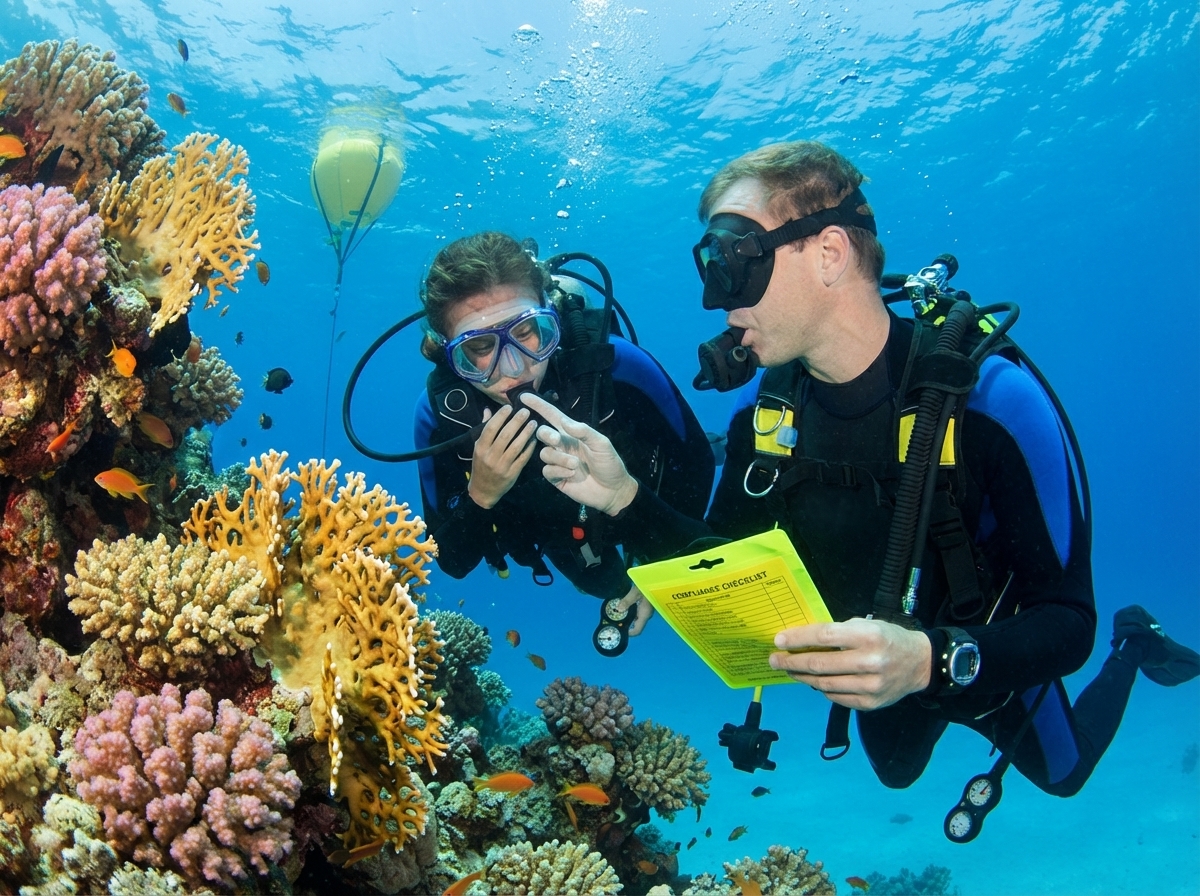
Knowing the right standards is crucial in maintaining safe and reliable breathing air systems for diving. Let’s explore the key standards you need to be familiar with.
EN 12021 Australia Overview
This standard sets the bar for the purity of breathing air. It defines the acceptable levels of contaminants like carbon monoxide and moisture. Keeping these levels in check ensures safe dives. Imagine taking a deep breath underwater, knowing the air is as pure as it should be. That’s peace of mind. The EN 12021 standard is your guide to ensuring each breath taken underwater is safe and clean. For more in-depth information, explore the EN 12021 standard details.
AS/NZS 1715 Breathing Air Guidelines
These guidelines focus on selecting and maintaining respiratory protection equipment. They’re essential for ensuring that equipment performs at its best. Dive operations rely on this to safeguard divers. The guidelines are more than just rules; they’re about fostering trust in your equipment. Following these ensures you’re not just compliant, but also providing reliable air safety.
AS/NZS 2299.1 Diving Operations Standards
This standard is all about the operational practice of diving. It covers everything from equipment maintenance to emergency procedures. Adhering to this keeps your dive operations smooth and safe. It’s about having all your bases covered so you can focus on exploring the depths. Most dive operators find that following AS/NZS 2299.1 not only minimizes risks but enhances the overall diving experience.
Ensuring Dive Compressor Compliance
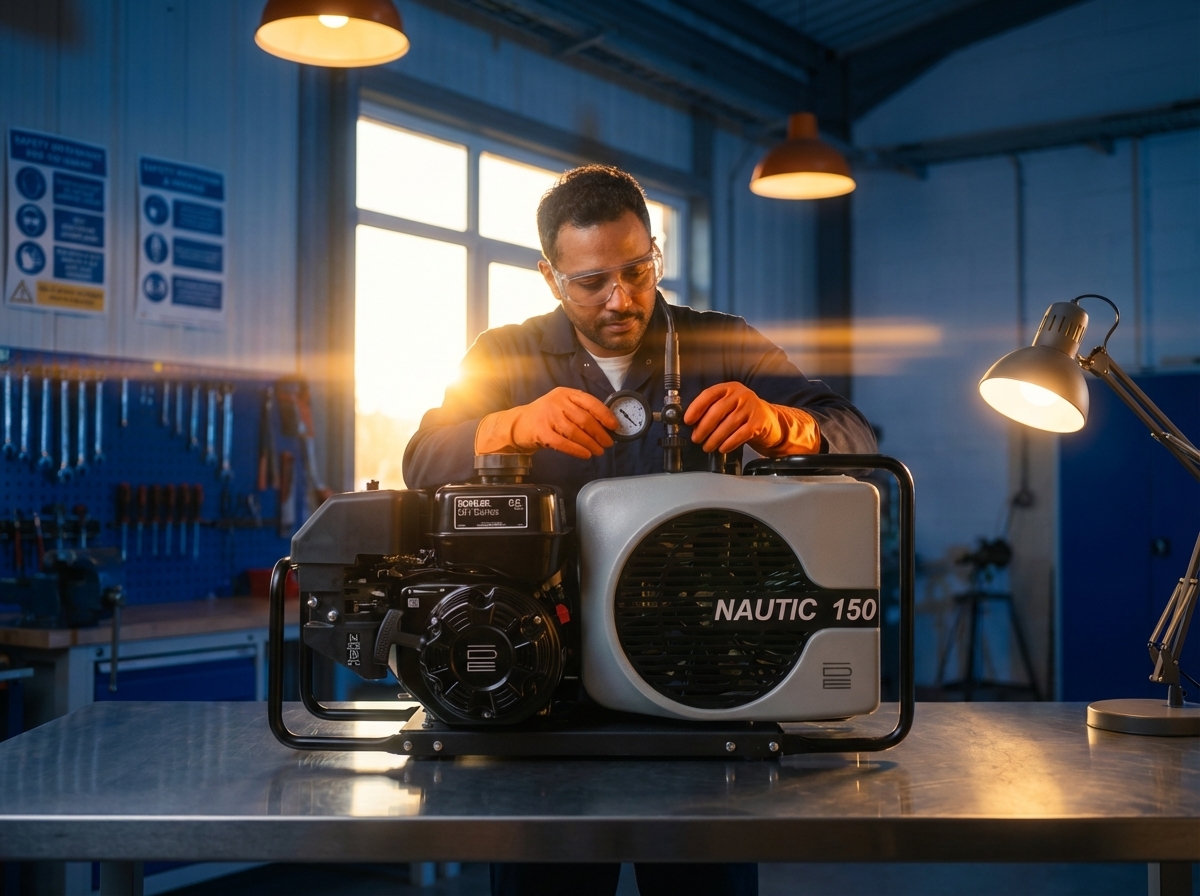
Keeping your compressors compliant is crucial for safe operations. Here’s how you can make sure your equipment meets the standards.
Scuba Air Testing Australia Methods
Testing your scuba air is not just a task; it’s a necessity. Regular testing identifies contaminants and ensures your air supply is safe. You’ll want to adopt reliable methods like gas chromatography or colorimetric tube testing. These methods provide accurate results, helping you maintain high standards. Remember, clean air isn’t just a standard; it’s a lifeline.
CO and CO2 Monitoring Compressors
Carbon monoxide and carbon dioxide are silent threats. Monitoring them is vital. Regular checks can prevent dangerous build-ups, protecting divers. Most people assume air is clean, but without constant monitoring, you can’t be sure. Investing in reliable monitoring systems keeps your operations safe and compliant. For a detailed guide on managing these risks, check out this resource guide.
Dew Point and Moisture Control Tips
Moisture in your air supply can cause corrosion and equipment failure. Keeping the dew point low is essential. Use desiccant dryers or membrane filters to control moisture levels. These tools are your best allies in maintaining air quality. By managing the dew point, you extend the life of your equipment and ensure safety with every dive.
Maintaining Reliable Breathing Air Systems
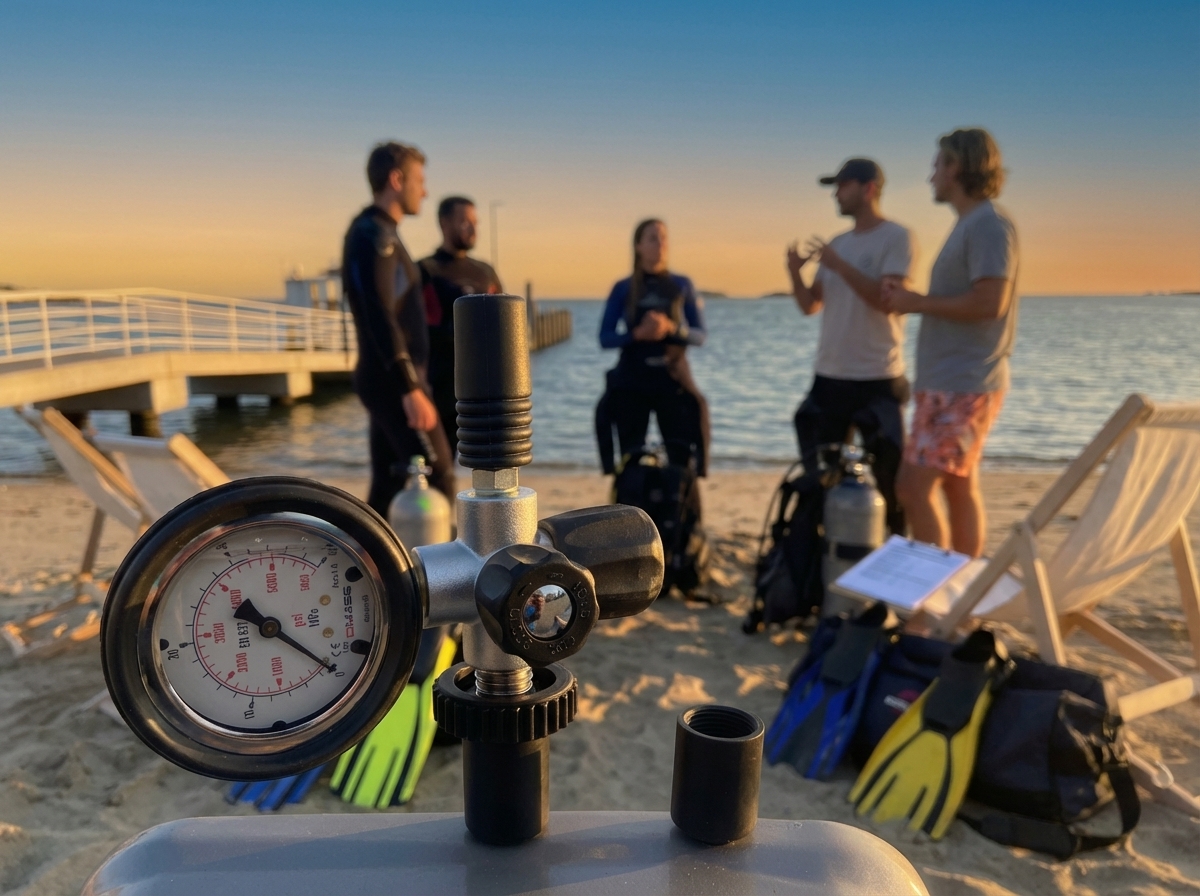
Your breathing air system is only as good as its maintenance. Here’s how to keep yours in top shape.
Compressor Filtration Schedule Essentials
A regular filtration schedule is key to maintaining air purity. Change filters according to manufacturer recommendations. This routine keeps contaminants out and air quality high. Think of it as an investment in safety. By sticking to a strict schedule, you minimize risks and ensure reliability.
Mobile Fill Station Compliance Tips
Mobile fill stations need to meet specific compliance standards. Regular inspections and maintenance are crucial. Ensure all components are functioning properly before each use. This diligence ensures safety while on the move. Dive operators often find that proactive maintenance reduces downtime and enhances operational efficiency.
Breathing Air Documentation Logbook Practices
Keeping a detailed logbook is not just about compliance; it’s about accountability. Record each maintenance activity and test result. This practice builds trust in your operations and ensures safety measures are always in place. A well-maintained logbook is your best defense against unexpected risks. Remember, documentation is not just paperwork; it’s proof of your commitment to safety.
By understanding and adhering to these standards and practices, you ensure every dive is both safe and enjoyable. At Safety Stop Australia, we stand with you, ensuring your operations are as secure as they can be. For more insights, visit Safety Stop’s Facebook page.
Order Now. Breathe Better Tomorrow