
Balancing cost and quality: how to choose a breathing air compressor that won’t let you down
Choosing a breathing air compressor is more than just comparing sticker prices. When you’re responsible for safe, reliable air in Australian conditions, you need to balance upfront costs against long-term reliability, compliance, and support. This guide breaks down what really matters—from duty cycle to filter cartridge cost—so you can select a breathing air compressor Australia operators trust without over- or under-specifying.
Weighing Upfront Price vs. Long-Term Costs
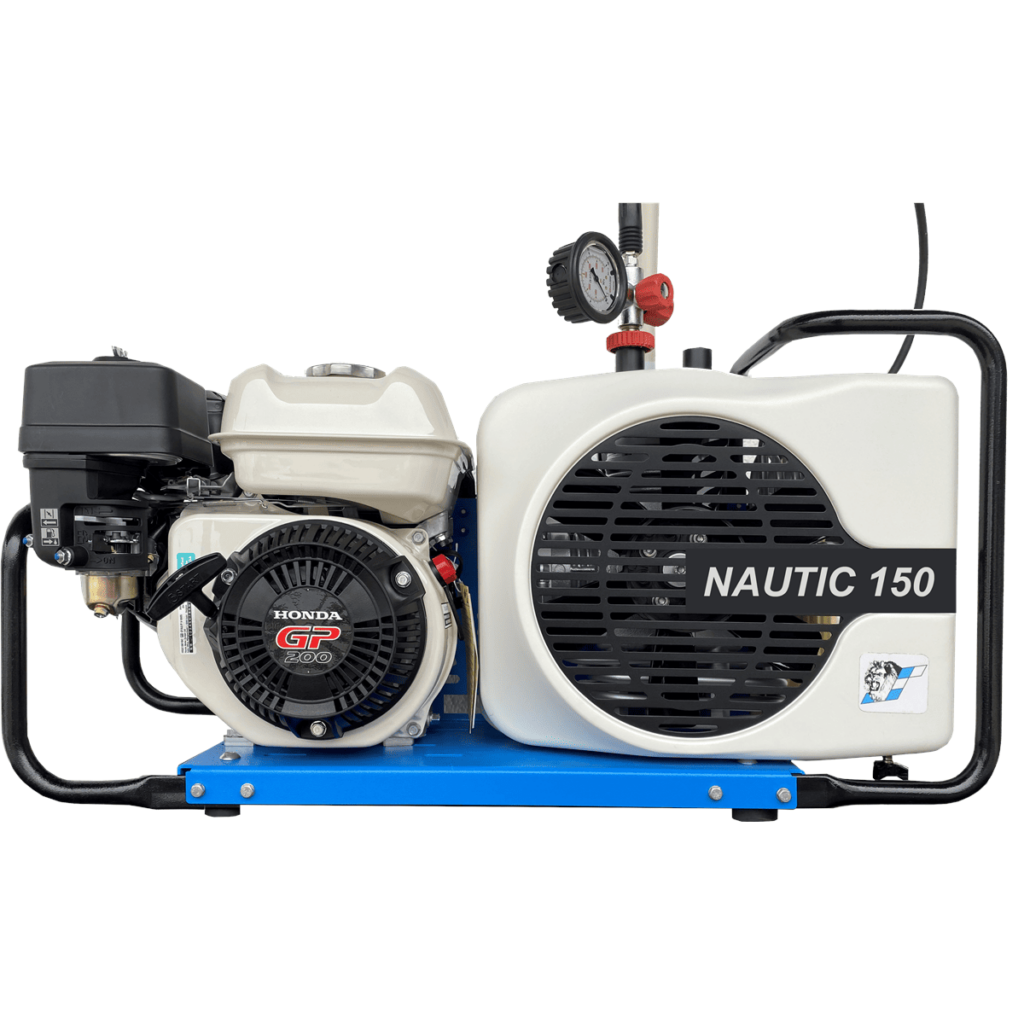
The first step in choosing a breathing air compressor is understanding the price beyond the initial purchase. It’s not just about the upfront sticker cost. You need to consider how that cost plays into the total cost of ownership over time.
Understanding Total Cost of Ownership
When you think about total cost of ownership, you’re looking at more than just the price tag. Maintenance, operational costs, and parts can add up. You might find a cheaper model, but if it costs more in power and upkeep, is it really a bargain?
-
Maintenance Costs: Regular servicing keeps your machine running smoothly. Factor in the service costs over the years.
-
Energy Efficiency: The right compressor can save you money on electricity bills. A more efficient model might cost more upfront but save you in the long run.
-
Parts and Consumables: Consider how often you’ll need to replace parts like filter cartridges. These costs can add up over time.
To get a better picture of these costs, you can check resources like this analysis on compressed air costs.
Evaluating Compressor Duty Cycle
The duty cycle of a compressor tells you how long it can run before needing rest. A high duty cycle is crucial for applications requiring continuous use. But what does that mean for you?
-
Continuous Use: If your operations need constant air supply, a compressor with a high duty cycle is non-negotiable. It ensures you don’t run into downtime.
-
Intermittent Use: For less demanding needs, a lower duty cycle might suffice, saving you both initial and operational costs.
Before you decide, think about how and where you’ll use your compressor. This will guide you in choosing the right one for your needs.
Compliance and Safety Considerations
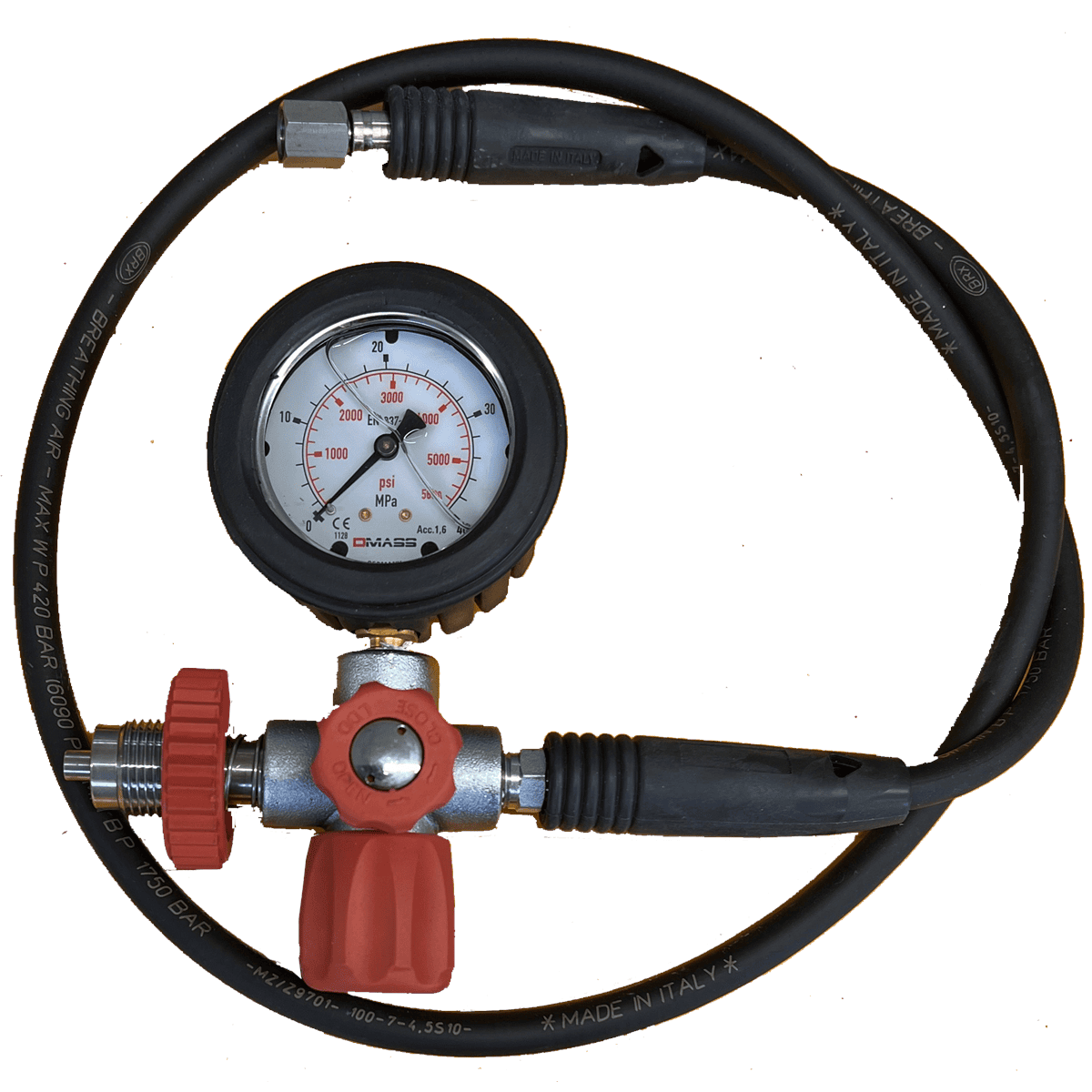
Safety and compliance go hand in hand. These are not just boxes to tick off; they ensure the air you breathe is safe. If you’re using the compressor in Australia, you must meet specific standards.
Meeting EN 12021 and AS/NZS 2299.1 Standards
Compliance with standards like EN 12021 and AS/NZS 2299.1 is crucial. These ensure the air quality is safe for breathing, a non-negotiable in many industries.
-
EN 12021: This standard outlines the requirements for breathing air quality. It includes limits on contaminants like carbon monoxide and carbon dioxide.
-
AS/NZS 2299.1: This is specific to Australia, focusing on occupational diving operations. It ensures divers receive safe air quality during operations.
Ignoring these standards can lead to serious health risks. Make sure your chosen compressor meets these requirements to keep your operations safe.
Importance of Reliable Air Quality Monitoring
Air quality monitoring shouldn’t be an afterthought. Regular checks ensure your compressor delivers safe, clean air every time.
-
Continuous Monitoring: Some compressors offer built-in monitoring systems. These systems alert you to any air quality issues immediately.
-
Manual Checks: Regular manual testing should be part of your routine. It provides an extra layer of assurance that your system is functioning correctly.
By maintaining reliable air quality monitoring, you safeguard against potential health risks and ensure compliance with safety standards.
Choosing the Right Compressor for Your Needs
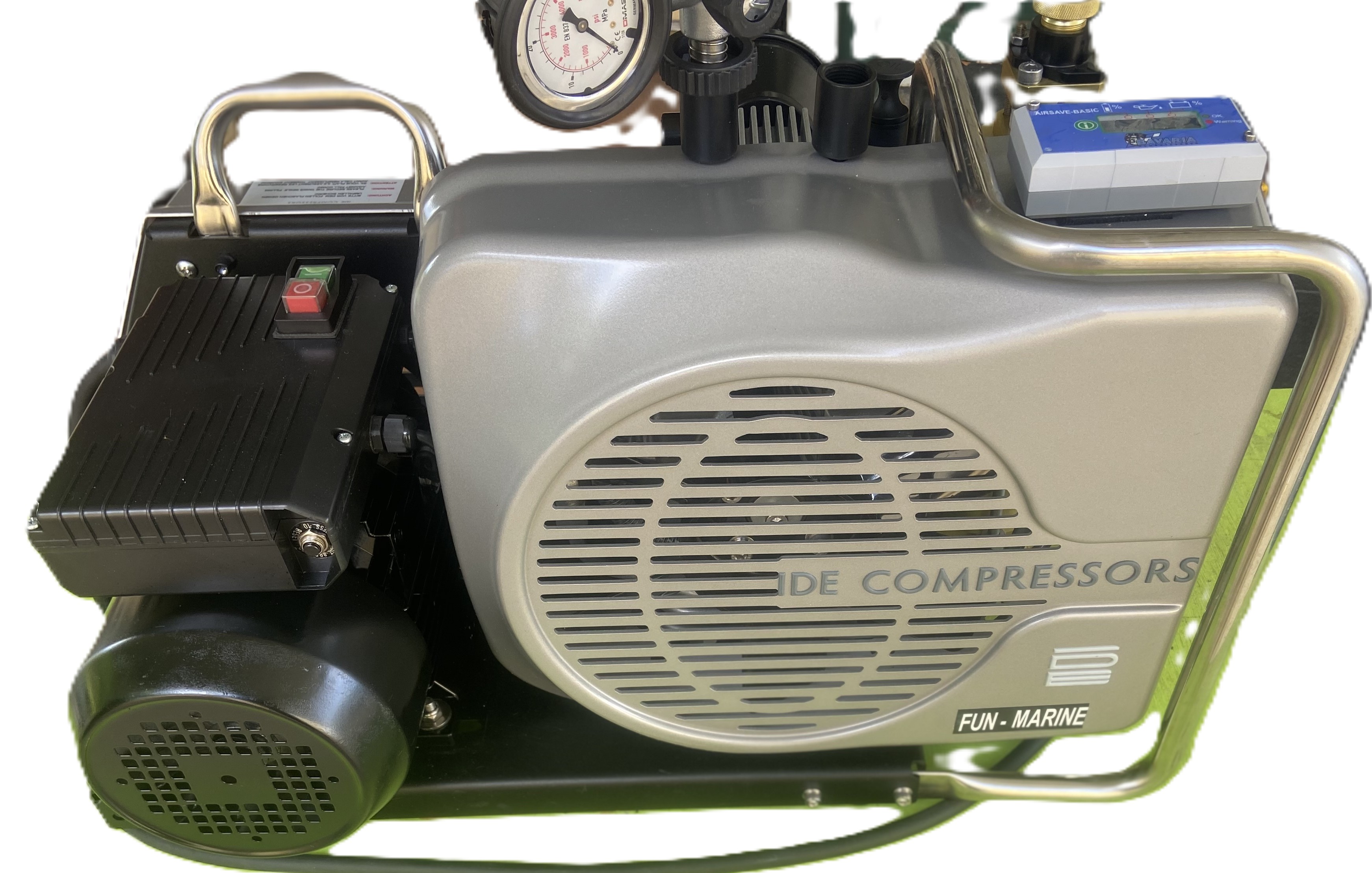
Selecting the right compressor means matching features with your specific needs. It’s about finding a balance between function and cost, ensuring reliability in your operations.
Comparing IDE, Bauer, and Coltri Alternatives
Choosing between brands like IDE, Bauer, and Coltri can be challenging. Each offers unique benefits. Here’s how they stack up:
|
Feature |
IDE |
Bauer |
Coltri |
|---|---|---|---|
|
Warranty |
5 years |
2 years |
3 years |
|
Noise Level |
Low |
Medium |
High |
|
Cooling System |
Advanced |
Standard |
Basic |
-
IDE Compressors: Known for their robust warranties and low noise levels. They’re ideal for operations where quiet operation is crucial.
-
Bauer Compressors: Offer standard features with a good balance of cost and efficiency.
-
Coltri Compressors: Known for basic, cost-effective solutions, but may not offer the same durability.
Key Features: Noise, Cooling, and Auto Condensate Drain
When choosing a compressor, focus on features that enhance performance and ease of use.
-
Noise Levels: A loud compressor can disrupt operations, especially in confined spaces. Choose a model with low noise output for a more comfortable work environment.
-
Cooling Systems: Efficient cooling extends the compressor’s life. Look for systems with advanced cooling features to prevent overheating.
-
Auto Condensate Drain: This feature helps manage moisture build-up, reducing maintenance needs and prolonging the compressor’s life.
By weighing these features against your specific needs, you’ll find a compressor that won’t let you down, keeping operations smooth and safe.