
Down here in Australia, we don’t do things by halves. Whether you’re filling tanks for a deep wreck dive off the coast of WA or running a fire station in the humid tropics of Queensland, your high pressure air compressor is the heart of your operation. But let’s be honest: these machines are precision-engineered beasts, and sometimes we treat them a bit more like an old ute that hasn’t seen a mechanic since the Sydney Olympics.
At Safety Stop Australia, we live and breathe this gear. We know that a breathing air compressor isn’t just another piece of workshop equipment, it’s a life-support system. When you’re dealing with 300 bar of pressure, "she'll be right" isn't a maintenance plan.
Through years of importing and servicing German-engineered IDE compressors, we’ve seen it all. To help you keep your air clean and your machine running for decades, we’ve put together the seven most common mistakes we see Aussie owners making, and exactly how to fix them.
1. Pushing the Pressure Limits (The "More is Better" Fallacy)
It’s tempting to think that cranking up the pressure will get your cylinders filled faster or give you a "better" fill. In reality, operating your compressor beyond its intended pressure range is a fast track to expensive failures and compromised safety.
The Problem: Standard fill pressures are typically 207 bar, 225 bar, and 330 bar, depending on the cylinder standard you’re working with. A 330 bar compressor can generally handle up to 360 bar before it is considered overloaded, but that does not mean it should be run there as normal practice. Continually pushing beyond your target fill pressure puts unnecessary strain on pistons, valves, gaskets, and the final stage. It also drives up operating temperature, accelerates oil breakdown, and shortens service life. Even with the proven Bavarian engineering in an IDE compressor, overpressure is still overpressure.
The Fix: Set your final pressure cut-out correctly for the cylinders you are filling and stick to the machine’s rated operating range.
- Benefit: Better safety, cleaner operation, and lower mechanical stress.
- Action: Confirm your standard fill pressure, then calibrate the final pressure switch to stop accurately at 207 bar, 225 bar, or 330 bar as required.
- Result: Longer component life, more consistent fills, and lower long-term repair costs.
2. Ignoring the Gauges (Flying Blind)
We get it, you’re busy. You flick the switch, walk away to prep some gear, and wait for the "click" of the auto-stop. But those gauges are there for a reason.
The Problem: Failing to monitor air pressure and oil pressure regularly means you won't notice a slow decline in performance until it becomes a catastrophic failure. A drop in oil pressure can seize a block in minutes. Likewise, if your inter-stage gauges are showing weird readings, it’s usually a sign that a valve is starting to leak.
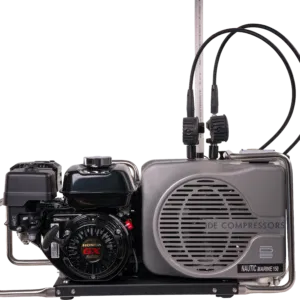
The Fix: Make "Gauge Checks" part of your filling routine.
- Benefit: Early detection of system anomalies.
- Action: Record your stage pressures in a logbook once a week.
- Result: You’ll spot a $50 valve issue before it turns into a $5,000 rebuild.
3. Neglecting the 10-15 Minute Drainage Rule
This one catches out more operators than it should. The compressor seems to be running fine, so draining gets delayed until the end of the fill or the end of the day. That is too late.
The Problem: Compressing air creates condensate, and that moisture has to be removed regularly. If you do not manually drain the compressor every 10–15 minutes, moisture builds up through the separators and starts saturating the filter system. Once the filters are overloaded with water, air quality drops fast. That means wet filter media, reduced purification performance, internal corrosion, and breathing air that no longer meets the standard you should be aiming for.
The Fix: Drain condensate manually at least every 10–15 minutes during operation, without exception, unless you have a correctly functioning automatic drain system.
- Benefit: Better air purity and protection for the filter system.
- Action: Build timed manual draining into every fill routine and train every operator to treat it as mandatory, not optional.
- Result: Drier air, longer filter life, and a compressor that keeps producing reliable breathing air in harsh Australian conditions.
4. Choking the Intake with Poor Sizing
Your compressor needs to breathe. If you’re using undersized hoses or pipes to move air from the machine to your fill panel, you’re making the motor work twice as hard as it needs to.
The Problem: Undersized pipes cause a significant pressure drop. If your compressor has to push against 10 bar of friction just to get the air down the line, it’s wasting energy and generating unnecessary heat. We’ve seen setups where 15 metres of tiny hose was used, effectively "choking" a high-output IDE Bavaria unit.
The Fix: Use a proper pipe sizing chart based on your flow rate and the distance of the run.
- Benefit: Optimized airflow and reduced energy consumption.
- Action: Consult with the team at Safety Stop Australia to size your distribution lines correctly.
- Result: Faster fill times and less strain on your motor or Honda GX200 engine.
5. Poor Ventilation and Intake Location
This is one we see in real compressor rooms all the time. The unit gets pushed into a tight corner, boxed in to reduce noise, or set up too close to vehicle exhaust, generator fumes, or workshop contamination.
The Problem: A compressor needs clean intake air and enough space to shed heat properly. If it is installed in a hot corner or near exhaust fumes, overspray, or other airborne contaminants, you create two problems at once: overheating and dirty intake air. Overheating increases wear and reduces efficiency, while contaminated intake air can end up in the purification system and compromise breathing air quality before the filters even have a chance to do their job.
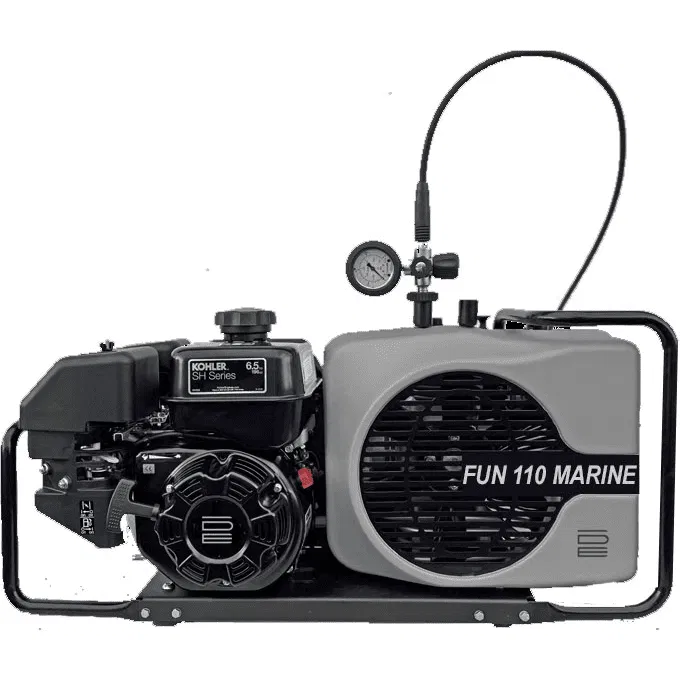
The Fix: Install the compressor in a well-ventilated area with a clean air intake well away from engines, exhaust outlets, and confined hot spots.
- Benefit: Stable operating temperature and cleaner intake air.
- Action: Position the unit where airflow is unrestricted and ensure the intake draws from a clean location, not from a contaminated corner of the room or deck.
- Result: More reliable performance, better air quality, and less risk of heat-related failures.
6. The "Any Oil Will Do" Attitude
We’ve seen people try to run standard automotive motor oil in a high-pressure block. Please, for the love of your equipment, don’t do this.
The Problem: High pressure air compressors operate at temperatures and pressures that would shear normal oil apart. More importantly, since this is a breathing air compressor, the oil needs to be a specific synthetic grade that doesn't produce toxic fumes when heated. Using the wrong oil can lead to carbon build up on valves (which causes explosions in extreme cases) and will absolutely void your warranty.
The Fix: Use only the manufacturer-specified synthetic lubricant.
- Benefit: Maximum lubrication efficiency and diver safety.
- Action: Check your oil level before every single run and change it according to the hour meter.
- Result: A smooth-running block that stays clean internally for thousands of hours.
7. Skipping the Service Schedule (The "If it ain't broke" Myth)
This is the most common mistake of all. Because brands like IDE are built with such high-quality Bavarian engineering, they often keep running even when they are desperately in need of a service.
The Problem: Waiting for the machine to stop before you service it is the most expensive way to own a compressor. Filters eventually saturate, meaning they stop cleaning the air and start letting contaminants: including carbon monoxide and oil mist: straight into your lungs. A $1,200/year loss from a tiny 1/8" leak is common, but the safety risk of bad air is priceless.
The Fix: Follow a strict preventative maintenance schedule using genuine parts.
- Benefit: Total reliability and guaranteed air quality.
- Action: Replace filter cartridges and high-density felt discs at the recommended intervals, regardless of how they "look."
- Result: Complete peace of mind knowing your air is pure and your machine is in peak condition.
The Safety Stop Australia Difference
Owning a high pressure air compressor in Australia comes with unique challenges: heat, dust, and isolation. That’s why we don't just sell boxes; we provide the local support and technical expertise to keep you running.
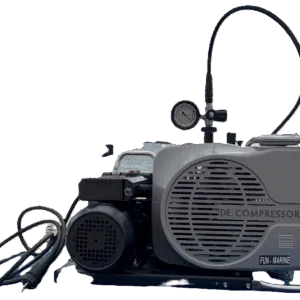
Whether you’re using a portable unit powered by a reliable Honda GX200 engine for remote expeditions, or a stationary IDE Bavaria for a busy commercial workshop, the rules of maintenance remain the same. These machines are engineered to last a lifetime, but they require a "safety-first" mindset.
Don't wait for a warning light or a strange noise to give your gear the attention it deserves. If you’re unsure about your current setup or need to stock up on genuine IDE replacement parts, give us a shout. We’re enthusiasts just like you, and we’re here to make sure your next fill is as clean as the first one.
Ready to optimize your setup? Explore our range of Bavarian-engineered compressors and accessories and ensure your team is breathing the best air possible.