Keeping contaminants out of your breathing air: practical environmental controls for compressors
Breathing air compressor contamination can quietly compromise safety, especially when environmental factors aren’t addressed. Many operators overlook simple steps like careful compressor intake placement or regular filter cartridge change intervals, risking harmful pollutants in their air supply. This guide lays out clear, practical controls—from intake siting to condensate management—that keep your breathing air clean and compliant with EN 12021 standards in Australia. For more information, check out this resource on how to avoid microorganisms in compressed air.
Effective Compressor Intake Placement
Choosing the right spot for your compressor intake goes a long way in keeping your air clean. You want to ensure it avoids contaminants from the start. Let’s explore some considerations to make the best choice.
Choosing the Right Location
The location of your compressor intake can either protect or expose your air supply. Place it away from areas prone to pollution, such as busy roads or industrial sites. Aim for elevated spots where the air is fresher, and ensure there is no nearby equipment that could emit fumes. Keeping it clear of obstructions is key to maintaining good airflow. For more tips, check out this guide.
Avoiding Bushfire Smoke Exposure
Bushfire smoke can compromise breathing air quality, especially in high-risk areas. To avoid this, monitor local air quality indexes during wildfire season. Close intakes or use additional filtration when smoke levels rise. This proactive approach helps maintain safe air quality standards.
Managing Salt Spray Corrosion
For marine operations, salt spray is a constant threat. Place intakes away from direct exposure to sea breezes to reduce salt intake. Regularly inspect and clean the compressor parts to prevent corrosion. This simple maintenance can significantly extend the lifespan of your equipment.
Comprehensive Filtration Strategies
Filtration is your second line of defence against contaminants. A robust system ensures the air remains clean, even if some pollutants get past the intake. Let’s break down effective filtration choices.
Filter Cartridge Change Intervals
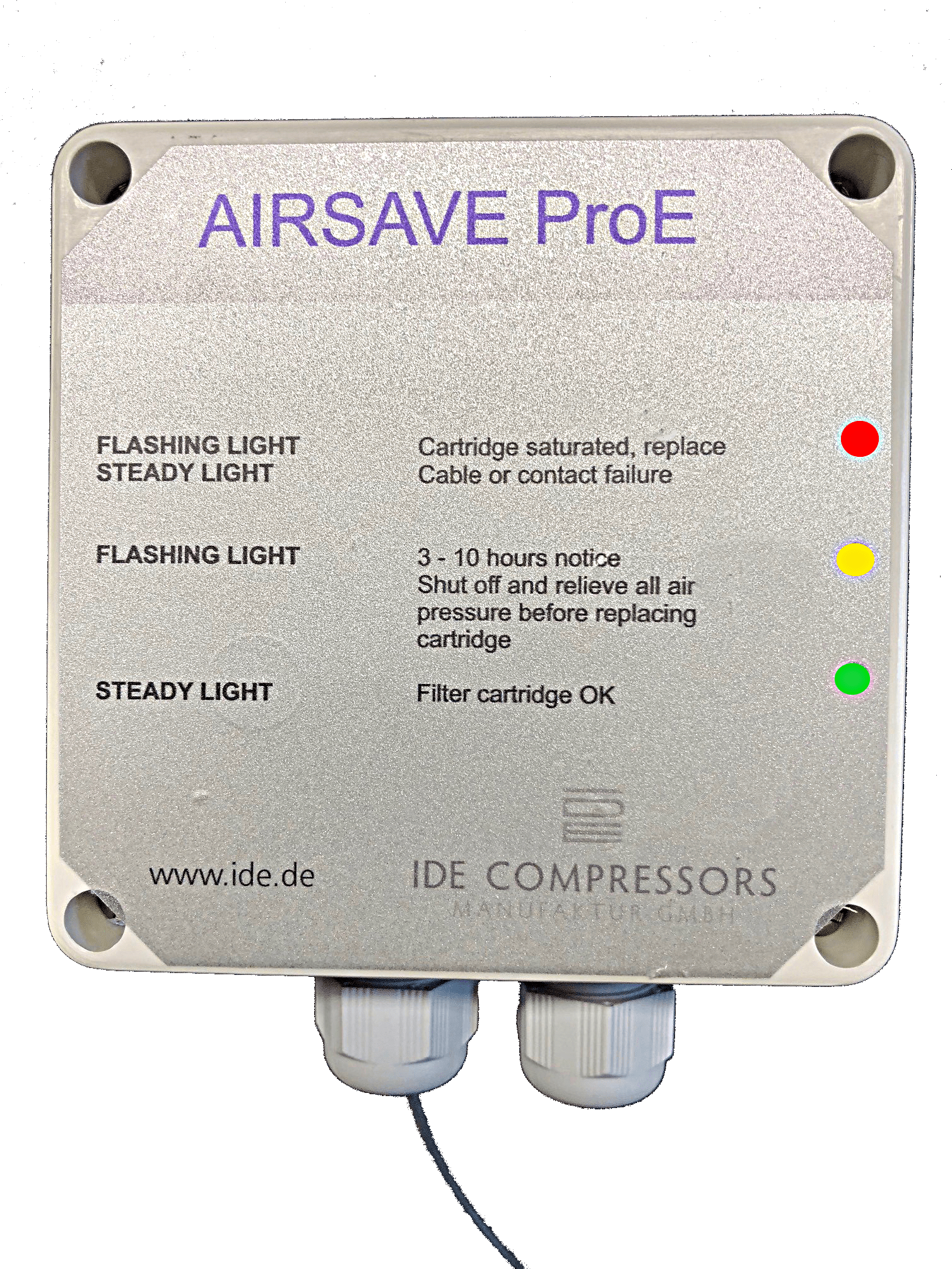
Regular filter changes are crucial. When filters are clogged, they can’t do their job well, allowing contaminants through. Follow manufacturer recommendations for change intervals and keep a log to track maintenance. Regular changes not only ensure clean air but also improve system performance.
Activated Carbon and Molecular Sieve Use
Activated carbon filters are excellent at removing odours and gaseous pollutants. Pairing them with a molecular sieve offers superior moisture control, keeping the air dry. This combination effectively targets a wide range of contaminants, providing a comprehensive solution.
Hopcalite Catalyst CO Removal
Carbon monoxide is a silent but significant risk in breathing air. Using a Hopcalite catalyst can effectively convert CO into less harmful gases. This addition is especially vital in areas with high vehicular emissions or enclosed spaces. By addressing CO, you ensure compliance with safety standards.
Best Practices for Compressor Operation
Proper operation is crucial for maintaining air quality. By implementing these practices, you enhance the reliability and efficiency of your compressor system.
Automatic Condensate Drain Systems
Moisture is a major contributor to air quality issues. Automatic condensate drains help manage water buildup, preventing corrosion and microbial growth. These systems require minimal manual intervention, making them a convenient choice for busy operations.
Monitoring for CO and Oil Vapours
Regular monitoring is essential for safety. Use sensors to detect CO and oil vapours, promptly addressing any spikes. By staying vigilant, you protect users from potential health hazards. For more on this, visit OSHA’s guidelines.
Maintaining EN 12021 Compliance in Australia
Compliance ensures your system meets safety standards, reducing liability risks. Regular audits and updates to your system can help maintain EN 12021 compliance. By prioritizing these standards, you protect both users and your business.
By following these practical steps, you can keep your compressor system running smoothly and safely, ensuring clean air for all users.