
Air in, air out: How compressor ventilation design shapes air purity and reliability
Compressor ventilation isn’t just about airflow—it directly shapes the purity of your breathing air and the reliability of your system. Poor design can shorten filter life, invite thermal stress, and compromise safety, especially in Australia’s tough marine and remote environments. This guide breaks down practical steps for dive compressor room design, intake placement, and marine compressor ventilation, with advice from Safety Stop to keep your operations compliant and dependable. For more insights, you can explore this resource.
Understanding Compressor Ventilation
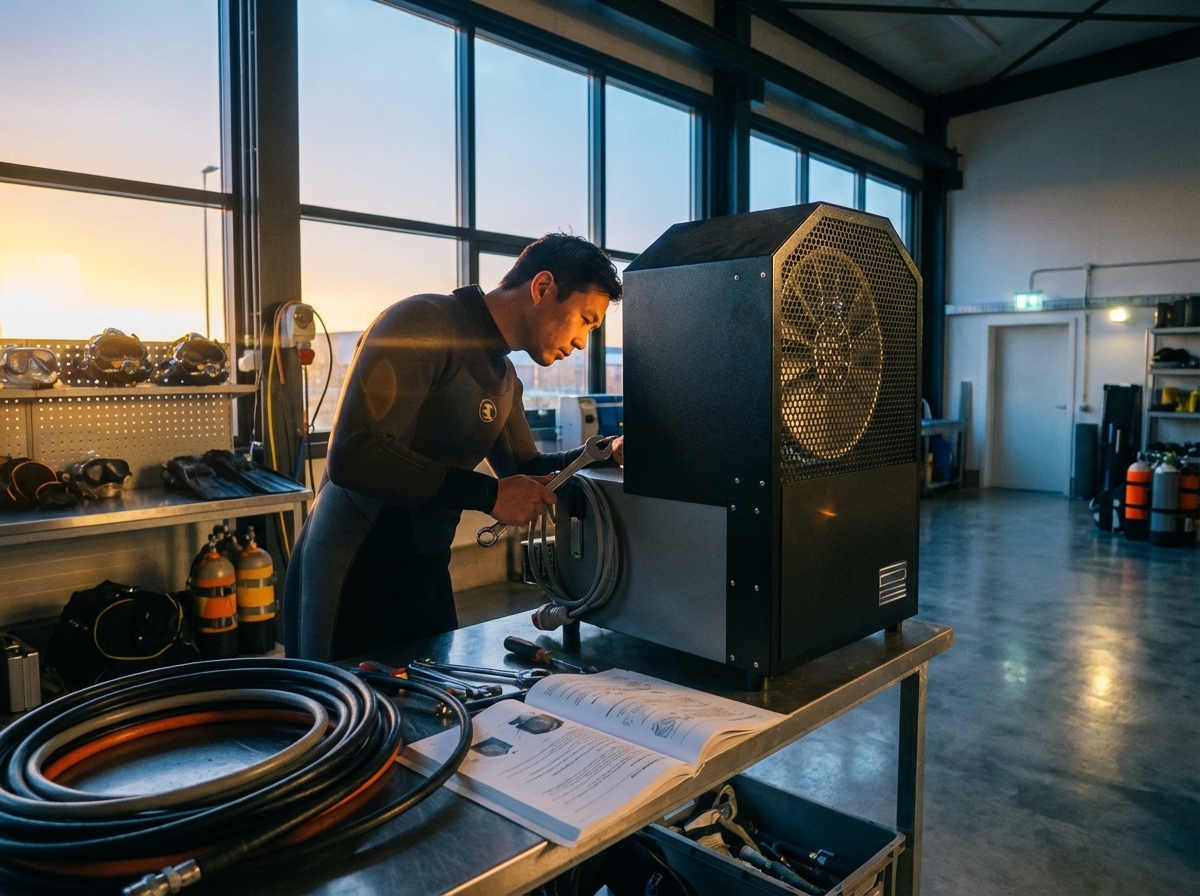
Ventilation in compressors is more than just a technical requirement. It directly impacts the quality of the air you breathe and ensures the reliability of your system.
Ensuring Breathing Air Purity
Breathing air purity is paramount, especially in marine and remote environments. Unfiltered air can compromise safety, leading to health risks. You need clean air to breathe safely, which is why understanding air purity standards is crucial. Regular checks and maintenance help keep harmful contaminants like CO and micro-particles at bay. According to research, maintaining air purity involves regular filter replacements and monitoring. Rely on trusted guidelines to ensure your compressor meets safety standards.
Addressing Thermal Stress
Thermal stress can lead to system failures. Excessive heat in compressor rooms can shorten equipment lifespan and reduce efficiency. Proper ventilation is key to managing heat levels. Installing temperature sensors and ventilators helps regulate heat, ensuring that your compressor runs smoothly. By focusing on ventilation, you prevent overheating, which can save on repair costs and downtime.
Extending Filter Life
Filter life directly affects operational costs and air quality. Poor ventilation leads to clogged filters, reducing their lifespan. Regular maintenance and correct setup ensure filters last longer and work effectively. Keeping your room well-ventilated reduces dust and other particles, extending filter life and ensuring your system operates efficiently. With the right setup, you can avoid frequent replacements and maintain air quality.
Practical Layout Guidance

A well-designed layout is essential for optimal performance. The placement and design of your compressor room have a significant impact on system efficiency.
Dive Compressor Room Design Essentials
Designing a dive compressor room requires careful planning. Space, equipment placement, and airflow must be considered. A room should be spacious enough to allow easy access for maintenance, yet compact to save on costs. Ensure that your setup allows for unobstructed airflow to prevent overheating. According to industry standards, proper spacing and layout lead to better efficiency and safety.
Effective Compressor Intake Placement
The placement of your compressor intake affects air quality and system performance. Position intakes where they can draw in clean, cool air. Avoid areas with contaminants or obstructions. Consider using intake silencers to reduce noise and improve air quality. Proper placement minimizes the risk of drawing in harmful particles, ensuring the air remains safe for use.
Crossflow Ventilation Strategies
Crossflow ventilation enhances airflow and temperature control. By using crossflow systems, you can optimize ventilation efficiency, balancing the internal climate of your compressor room. Implementing ductwork or fans can help maintain a consistent temperature, protecting your equipment from thermal stress. Crossflow setups are a simple yet effective way to improve system reliability.
Safety Stop’s Support and Services
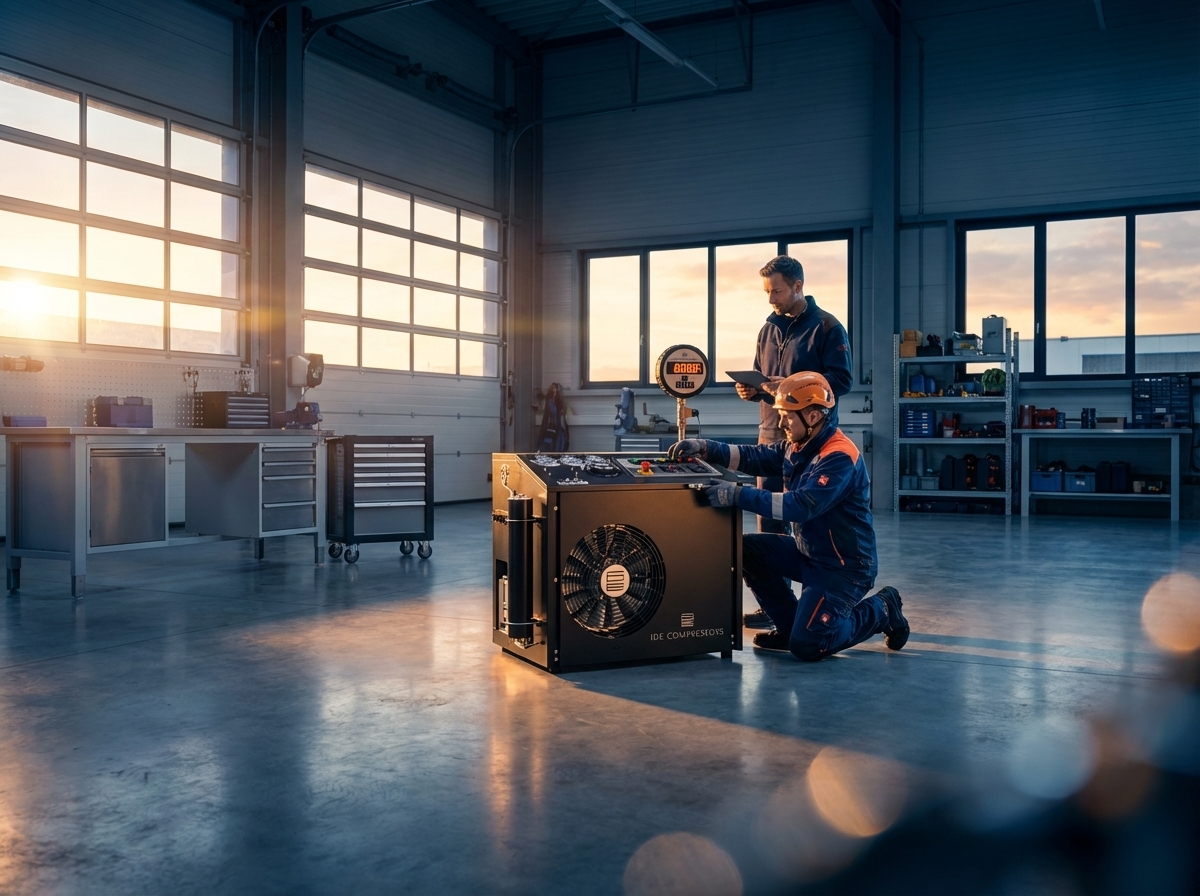
Safety Stop is committed to providing solutions that meet your needs, ensuring safe operations in every environment.
Marine Compressor Ventilation Solutions
Marine environments present unique challenges for compressor systems. Salt air and humidity can affect performance. Safety Stop provides tailored solutions, ensuring your system withstands harsh conditions. With marine-specific setups, you can keep your operations smooth and reliable.
Mobile Fill Station Ventilation Options
Mobile fill stations require flexible solutions. Ventilation systems for mobile units need to be adaptable and robust. Safety Stop offers portable options that ensure your system remains efficient and compliant, regardless of location. These solutions are designed to meet the demands of mobile operations, providing reliability wherever you are.
Compliance with EN 12021 and AS/NZS 2299.1
Compliance with standards like EN 12021 and AS/NZS 2299.1 is essential for safety. Safety Stop ensures that all systems adhere to these requirements, providing peace of mind. By following these standards, you ensure your operations are safe and efficient, protecting both your team and equipment. For more details on these standards, visit this guide.
In conclusion, proper ventilation design is crucial for maintaining air purity and system reliability. By understanding and implementing the right strategies, you can ensure your compressor operates safely and efficiently, no matter where you are in Australia.
Order Now. Breathe Better Tomorrow