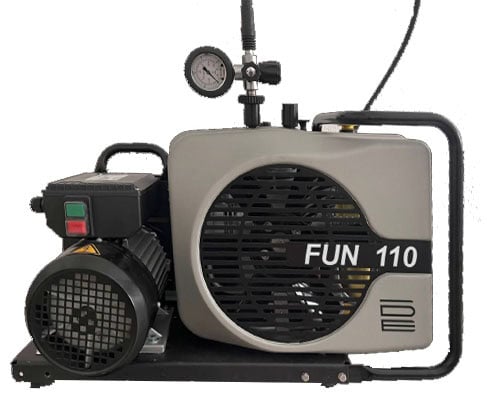
Early warning signs your breathing air compressor needs a professional service
Signs like slow fill times, unusual compressor noise, or a pressure drop at the fill whip often signal your breathing air compressor needs professional attention. Ignoring these early warnings risks air quality, safety, and downtime for your operation. This guide explains the key indicators and why timely breathing air compressor servicing keeps your dive compressor maintenance Australia compliant with EN 12021 and AS/NZS 2299.1 standards. For more on this topic, check out this resource.
Key Indicators for Compressor Servicing
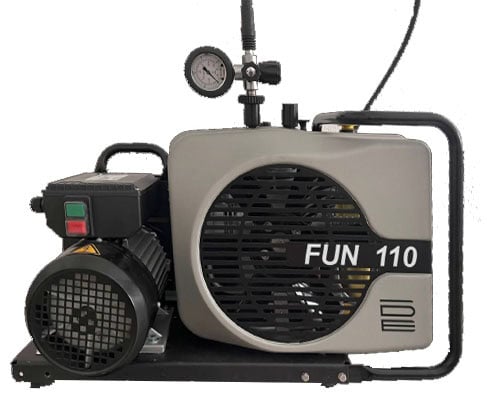
Trouble with your compressor? Let’s dig into what might be wrong. The first step is knowing what signs to watch for.
Recognising Compressor Overheating
Is your compressor running hot? Overheating can lead to serious damage. Pay attention to rising temperatures or a burning smell. These symptoms are often caused by blocked ventilation or overuse. Regularly checking your compressor’s temperature can prevent costly repairs. Ensure the fans and vents are clear and functional.
If you notice overheating, it’s crucial to act quickly. Prolonged heat exposure can damage components. Regular maintenance checks can help you spot potential issues before they escalate. For more detailed insights, explore this article.
Addressing Oil Carryover in Breathing Air
Oil carryover can compromise air quality. This issue often goes unnoticed until you experience oil odours or see oil in filters. Regular filter changes and inspections can help catch this early. A dirty filter is a common culprit.
To tackle oil carryover, ensure your compressor uses the correct oil type and amount. An overfilled oil chamber can lead to excess oil entering the air stream. Keep an eye on oil levels and replace filters as needed. If the problem persists, consult a professional to prevent further damage.
Troubleshooting Common Compressor Issues
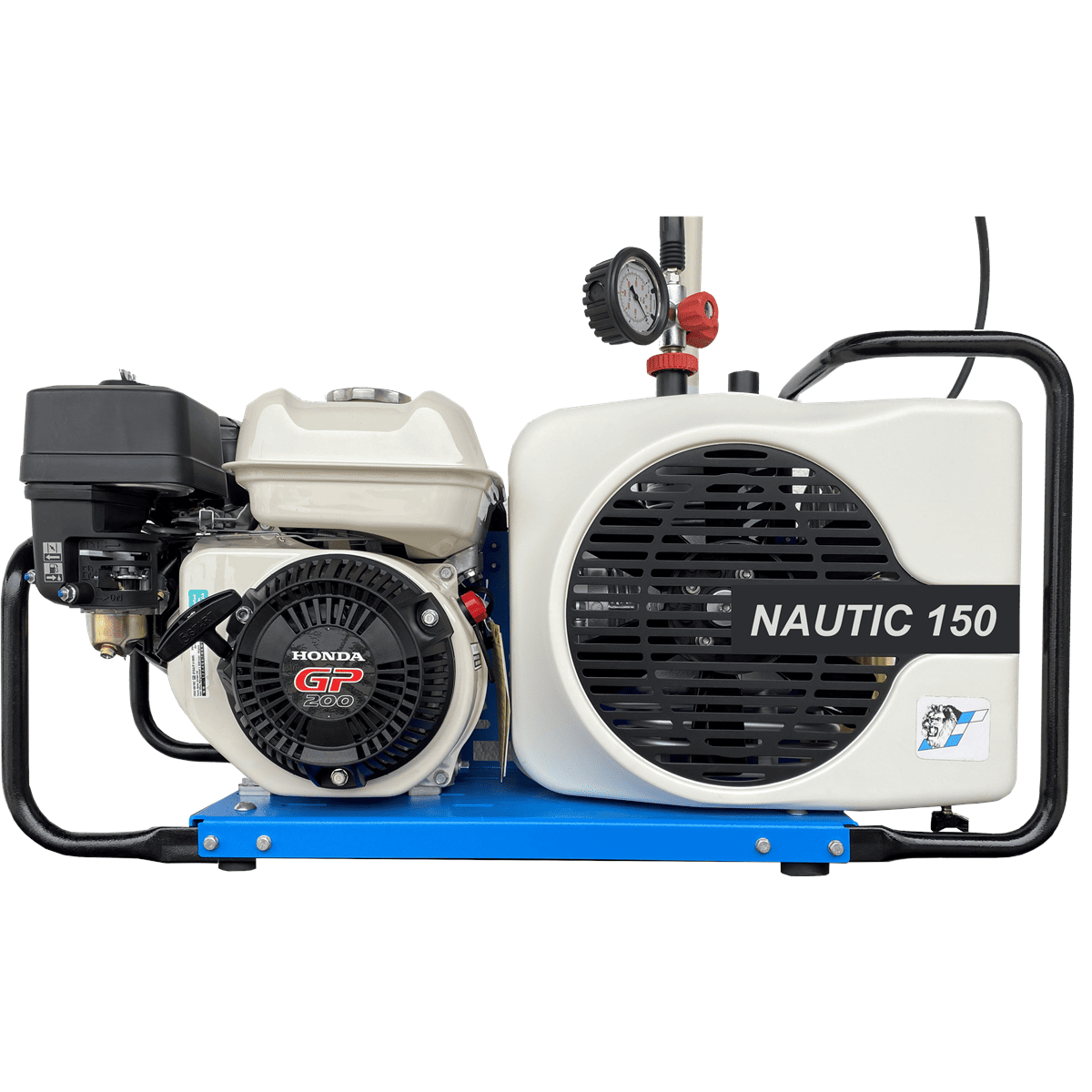
Now that we’ve covered key signs, let’s move to troubleshooting. Knowing how to tackle these problems keeps your compressor running smoothly.
Understanding Pressure Drop at Fill Whip
Experiencing a pressure drop can be frustrating. It might mean your compressor isn’t working efficiently. Check for leaks or blockages in the fill whip. These can lead to reduced airflow and performance issues.
Regular inspections of your compressor’s connections and hoses can identify pressure problems early. Ensure all connections are tight and hoses are free of kinks. If the issue continues, your compressor may need a professional tune-up. For further guidance, visit this troubleshooting guide.
Identifying Unloader Valve Problems
Unloader valve issues can affect compressor efficiency. If you hear hissing when the compressor stops, it might signal a problem. The unloader valve releases pressure, so it’s crucial for smooth operation.
To check the valve, listen for unusual noises or leaks. A malfunctioning valve can lead to motor strain and increased energy use. Regularly cleaning and inspecting the valve helps maintain its function. If problems persist, consider seeking expert help to extend your compressor’s lifespan.
Maintaining Compliance and Safety Standards
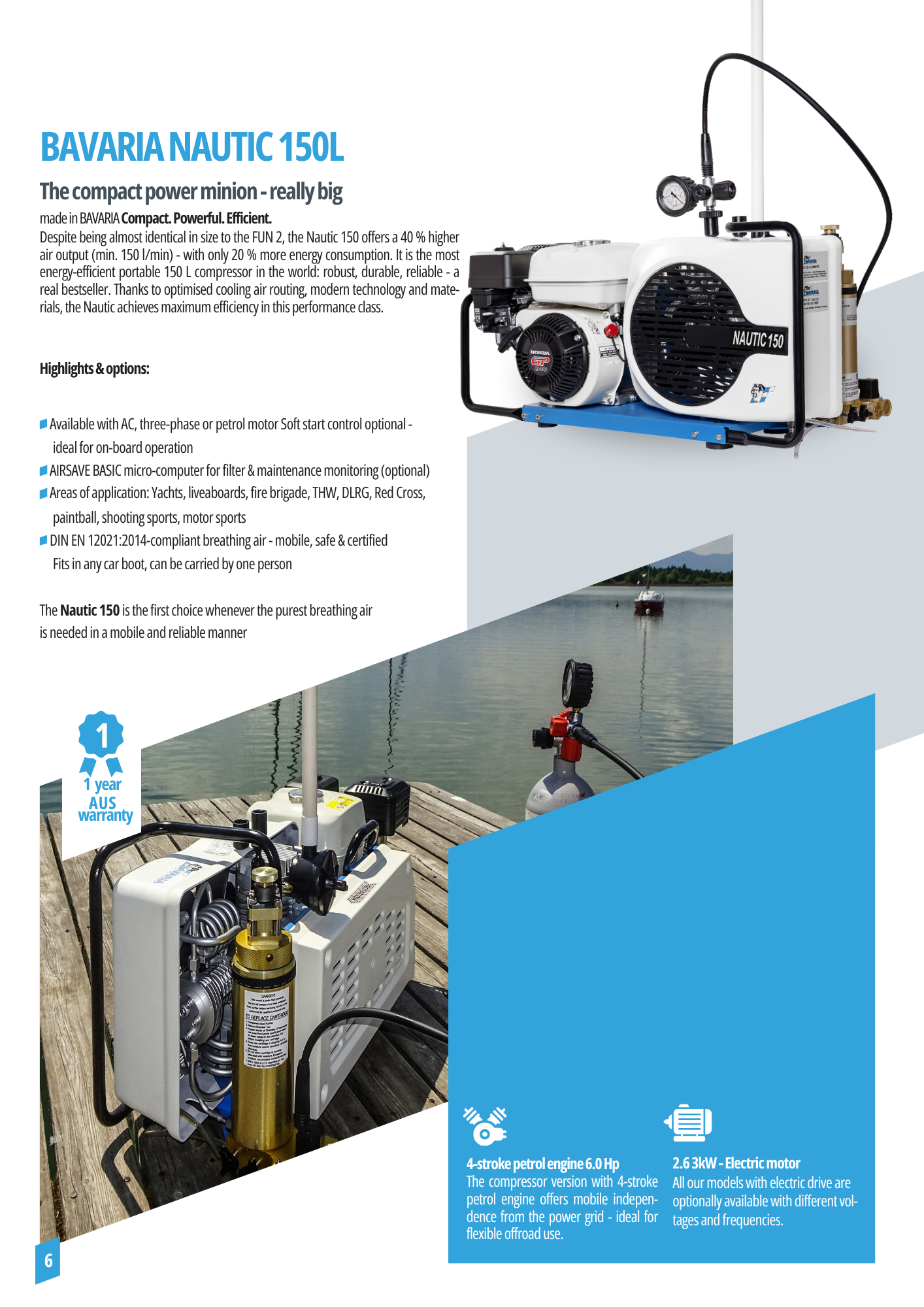
Ensuring your compressor meets safety standards is vital. It keeps your operations compliant and safe.
Scheduling Regular Air Quality Tests
Consistent air quality tests are essential. They ensure you meet the EN 12021 standard. Poor air quality affects health and safety. Use reliable testing equipment to monitor air purity.
Conducting tests at regular intervals helps catch contaminants early. Make it a routine part of compressor maintenance. If you notice air quality issues, address them immediately. This proactive approach maintains safety and compliance. For more on maintaining safety, refer to this link.
Ensuring AS/NZS 2299.1 Compliance
Compliance with AS/NZS 2299.1 ensures your compressor is fit for use. Regular audits and inspections help you stay compliant. Check your compressor’s performance and safety features regularly.
Keeping detailed maintenance records supports compliance efforts. If any component fails, address it promptly to avoid penalties. Staying compliant not only ensures safety but also boosts confidence in your operations. For more tips on staying compliant, see this article.
By recognising these early warning signs and taking proactive measures, you can ensure your breathing air compressor remains reliable and safe. Regular maintenance and compliance checks are key to preventing costly downtime and ensuring top-notch air quality. Keep your operations running smoothly and confidently with these best practices.