
Essential Tips for Maintaining Your Scuba Gear: Ensuring Long-Lasting Performance
Your scuba gear won’t last if you treat maintenance like an afterthought. Faulty equipment can cost you more than money—it can put your safety at risk underwater. Knowing how to care for your gear properly ensures reliable breathing air and keeps your dives safe and smooth. Let’s walk through essential scuba gear maintenance tips that protect your investment and your wellbeing. For more insights, check out this comprehensive guide to scuba gear maintenance.
Routine Scuba Gear Maintenance
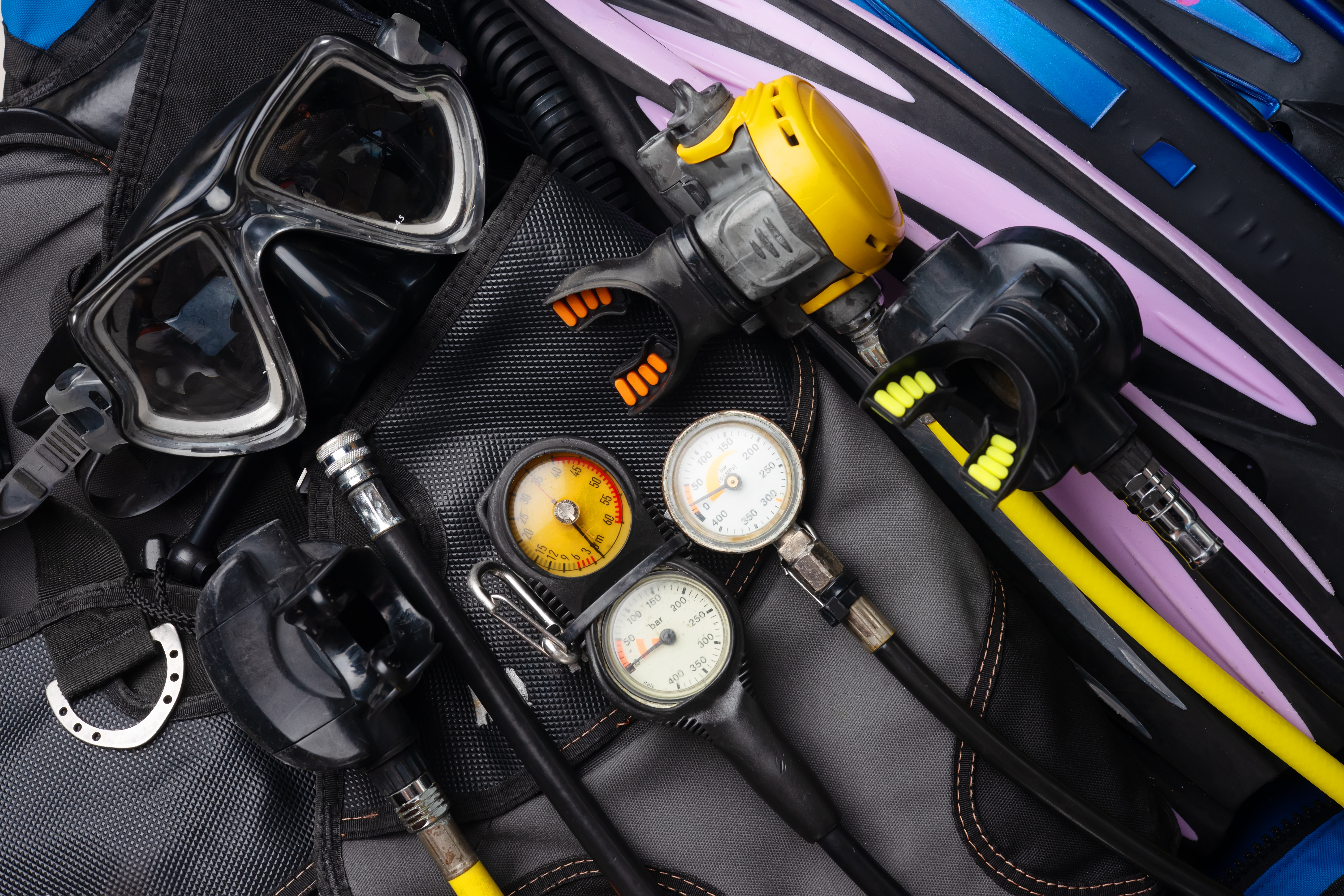
Taking good care of your scuba gear is as important as the dives themselves. Let’s explore how consistent maintenance can ensure your equipment lasts longer and keeps you safe.
Cleaning After Every Dive
Imagine returning from a dive, exhilarated, only to find your gear refusing to cooperate next time. Cleaning your scuba gear after every dive is crucial. Saltwater and sand can wreak havoc if left unchecked. Rinse your equipment thoroughly with fresh water. Pay special attention to the regulator and BCD, as these are critical for safety. Use mild, biodegradable soaps to cleanse without causing damage. This small step ensures your gear remains in top condition dive after dive. For more specific cleaning solutions, check out recommended scuba equipment cleaning solutions.
Regular Inspection and Repairs
Regular inspections can mean the difference between a smooth dive and a hazardous situation. Before each dive, check for any signs of wear and tear—look for frayed straps, leaks, or unusual sounds from the regulator. Addressing these issues promptly with professional repairs can prevent minor problems from becoming major headaches. Remember, most divers overlook small faults until they become big problems. Stay ahead by being proactive.
Extending Gear Longevity

Proper maintenance doesn’t stop at cleaning. To truly extend the life of your gear, you need to store and service it appropriately.
Proper Storage Techniques
Storing your gear properly can significantly extend its life. Avoid cramped spaces and direct sunlight, which can degrade the materials. Hang wetsuits and BCDs to maintain their shape. Regulators should be stored in a cool, dry place to prevent moisture buildup. Create a dedicated space for your gear to air out and dry completely after use.
Scheduled Professional Servicing
While regular maintenance is crucial, professional servicing gives your gear the expert touch. Schedule annual check-ups with a trusted service provider. These experts can uncover hidden issues that might not be visible to you. They ensure your equipment meets safety standards, providing peace of mind before each dive. Keeping up with these services is a small price to pay for the safety and longevity of your investment. For more on professional servicing, join the conversation on ScubaBoard.
Scuba Diving Safety Tips

Safety is the backbone of memorable diving experiences. Ensuring reliable breathing air and regular gear servicing are key elements.
Reliable Breathing Air Essentials
Breathing air is the lifeline of any dive. Make sure your air is clean and free from contaminants. Regularly inspect your compressor and use quality filters. Many divers underestimate the importance of air quality, but it’s essential for safety underwater. For more details on maintaining air quality, read this expert advice on maintaining reliable breathing air.
Importance of Gear Servicing
Servicing isn’t just a routine—it’s a safeguard. Even minor faults in your gear can evolve into serious risks. By keeping up with regular servicing, you ensure each dive is as safe as the last. Most people think regular checks are unnecessary, but they are vital for safety. The longer you wait to service your gear, the greater the risk. Stay proactive and enjoy worry-free diving.
In summary, maintaining your scuba gear is more than just a task; it’s an investment in safety and performance. By cleaning, inspecting, and servicing your equipment regularly, you’re ensuring each dive is both safe and enjoyable. Happy diving!