Maintaining Your Breathing Air Compressor: Tips for Optimal Safety and Performance
Breathing air compressor maintenance isn’t just a checklist—it’s the backbone of your safety underwater and on the surface. Neglecting regular upkeep can lead to unexpected breakdowns or unsafe air quality when you need it most. Learn more about preventive maintenance here. In this post, you’ll learn practical tips to keep your IDE compressors running smoothly, ensuring optimal safety and reliable compressor performance every time you dive or respond to emergencies.
Essential Maintenance Practices
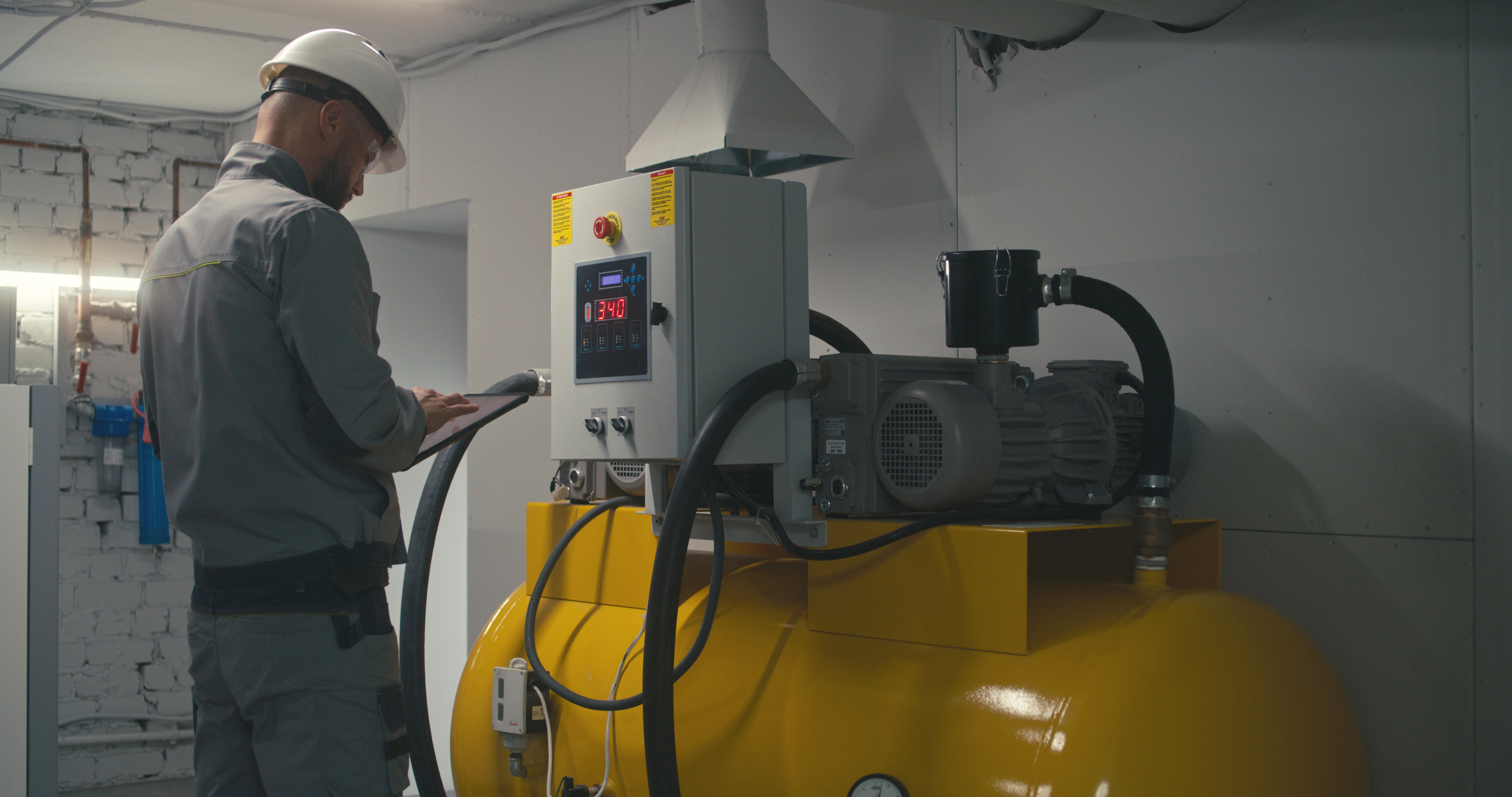
Starting with the basics, consistent maintenance ensures your compressor operates effectively. Ignoring these steps could compromise safety and performance.
Regular Filter Changes
Keeping your filters clean is crucial. A dirty filter can reduce air quality and strain your compressor. Aim to replace filters every 50 operating hours or sooner if you notice any change in air quality. This small step keeps your breathing air fresh and contaminant-free. Imagine diving with peace of mind, knowing your air is as clean as it can be.
Failing to change filters regularly can lead to increased compressor wear. Dirty filters force your compressor to work harder, which can result in costly repairs. Save time and money by maintaining a simple filter change schedule. Plus, you’ll extend the life of your equipment, keeping it in top shape for longer.
Checking Oil Levels
Oil is the lifeblood of your compressor. Without proper lubrication, moving parts can seize or wear prematurely. Check oil levels every 40 hours of operation. This frequency ensures your machine runs smoothly, reducing the risk of unexpected issues.
Running low on oil can cause severe damage, leading to compressor failure. Avoid this by topping off oil as needed and replacing it every 500 hours. A well-lubricated machine is a happy machine, meaning fewer interruptions for you and more time for what you love.
Inspecting Hoses and Connections
Hoses are the unsung heroes of your compressor system. Regularly inspecting them for wear or damage ensures air flows efficiently. Check all connections for tightness and replace any damaged hoses immediately. A small crack or loose connection can lead to air leaks, reducing performance.
Think of hoses as the veins of your system. Any blockage or leak can compromise the entire setup. By keeping a close eye on them, you ensure the integrity of your compressor. Remember, a well-maintained system is a reliable one.
Ensuring Optimal Safety
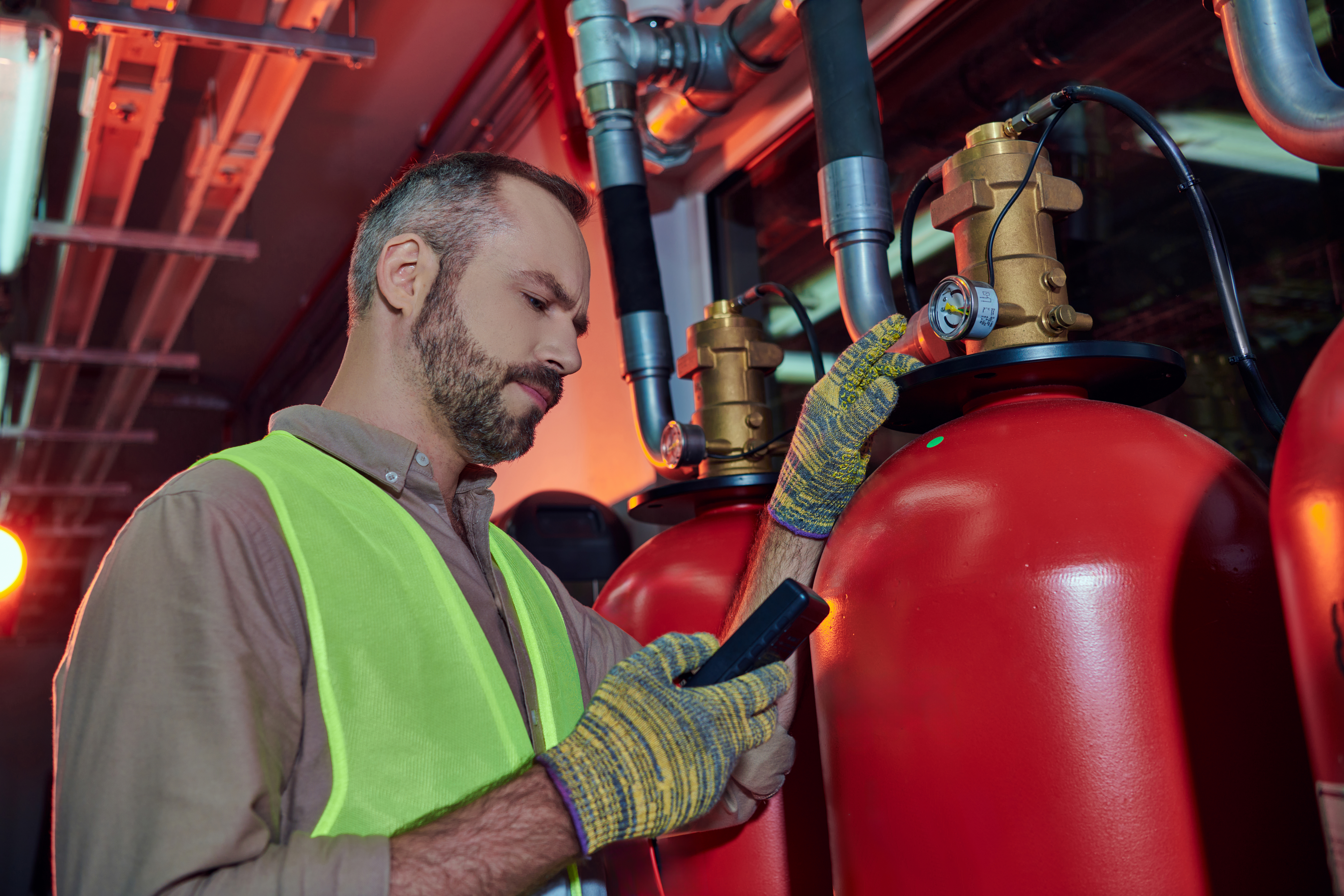
Safety is paramount when working with breathing air compressors. Each element of maintenance supports not just performance but also your safety.
Monitoring Air Quality
Your air quality directly affects your diving experience. Regularly test air to ensure it remains within safe breathing standards. Invest in a reliable air quality monitor and use it frequently. Clean air is not just a luxury; it’s a necessity.
Contaminated air can lead to serious health issues. Testing helps catch problems early, allowing for prompt resolution. Most people assume their air is clean, but regular checks are vital to confirm it.
Routine Pressure Checks
Pressure is key to the proper functioning of your compressor. Maintain it within recommended levels by performing regular checks. This practice prevents overloading or damaging your system. Pressure issues are a common cause of compressor failures; don’t let it happen to you.
A slight deviation in pressure can have a ripple effect on performance. Routine checks give you control over potential issues before they escalate. Be proactive about pressure management to ensure uninterrupted operations.
Safety Stop Servicing
Safety stop servicing is a detailed inspection of your compressor’s safety mechanisms. This service ensures all emergency features work correctly. Schedule it bi-annually or if you notice any irregularities. Your life depends on these features; never skip this step.
Safety stops are your last line of defense. Keeping them in top condition guarantees they’ll perform when needed. Most people forget this step, but it’s crucial for your peace of mind.
Enhancing Compressor Performance
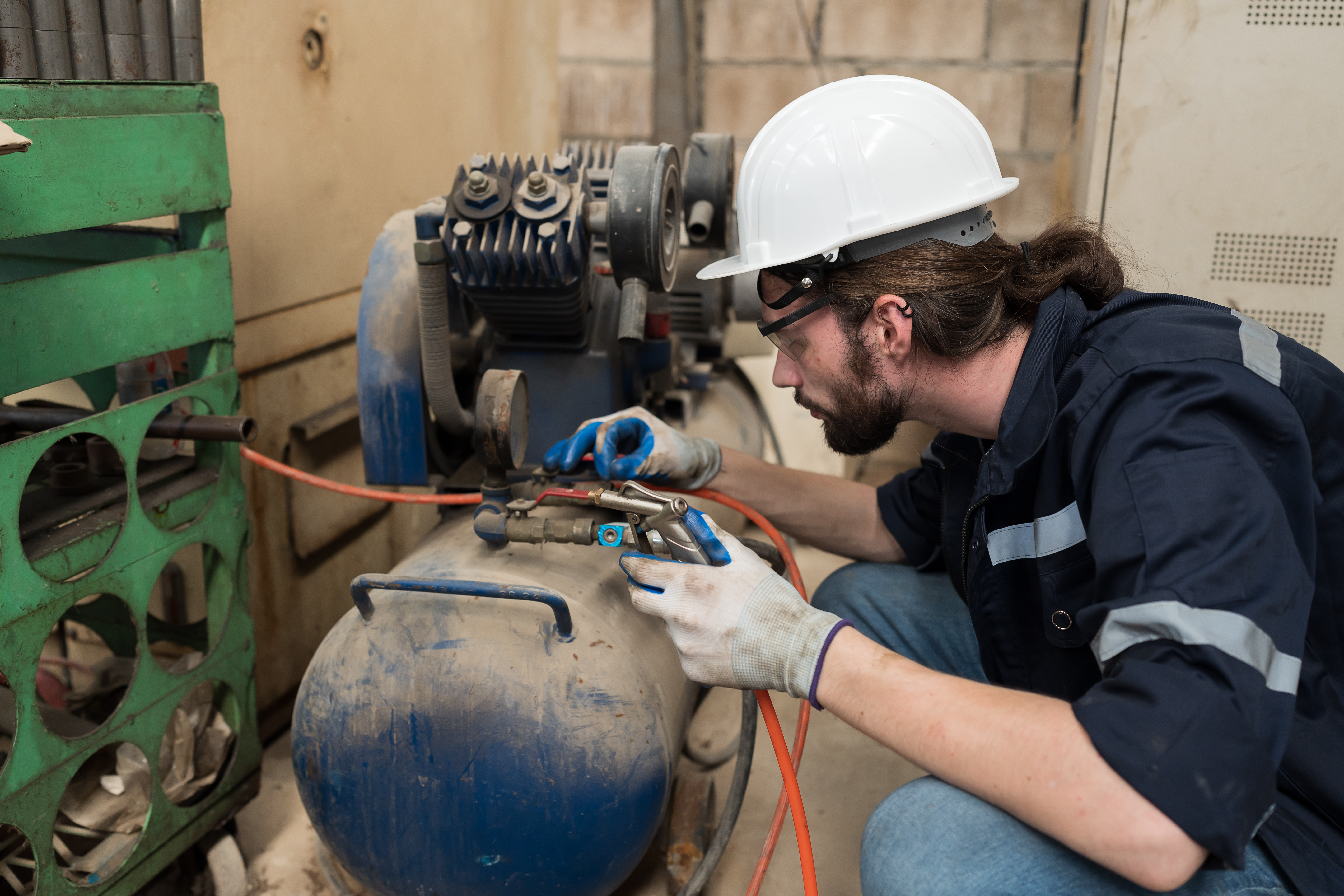
Beyond safety, maintaining peak performance ensures your compressor delivers when you need it.
IDE Compressors Features
IDE compressors are known for their reliability. Their advanced features, like automatic shutoff and air quality monitors, offer peace of mind. Familiarize yourself with these features to maximize their benefits. A well-informed user makes the most of their equipment.
Understanding your compressor’s capabilities helps you utilize it fully. IDE’s features are there to make your life easier, so take advantage of them. Knowledge is power, especially when it comes to complex equipment.
Troubleshooting Common Issues
Every compressor has its quirks. Learn common issues like pressure drops or oil leaks and how to address them. Often, simple fixes can restore full functionality. Knowing how to troubleshoot saves you time and stress.
Keep a troubleshooting guide handy. Addressing minor issues swiftly prevents them from becoming major problems. Most compressor issues are preventable with a proactive approach.
Professional Maintenance Tips
Sometimes, you need a professional touch. Schedule regular servicing with a certified technician to catch issues you might miss. This ensures your compressor stays in top condition. Expert eyes see what you might overlook.
Professional maintenance complements your efforts. It’s an investment in longevity and performance. Partner with experts to keep your equipment reliable and efficient.
😊🌊🔧
By following these practices, you ensure your breathing air compressor remains safe and efficient, allowing you to focus on your diving adventures. The longer you wait to start regular maintenance, the greater the risk of complications. Prioritize these steps and enjoy a seamless diving experience!