
Top Maintenance Practices to Extend the Life of Your Breathing Air Compressor
Most breathing air compressors don’t fail without warning—they show signs of wear that too many overlook. Skipping regular breathing air compressor maintenance means risking costly repairs and unexpected downtime when you need clean air most. Let’s walk through the key steps that keep your IDE compressors running strong and your scuba diving equipment ready for every dive. For more on how to extend compressor life, visit this resource.
Regular Inspection Routines
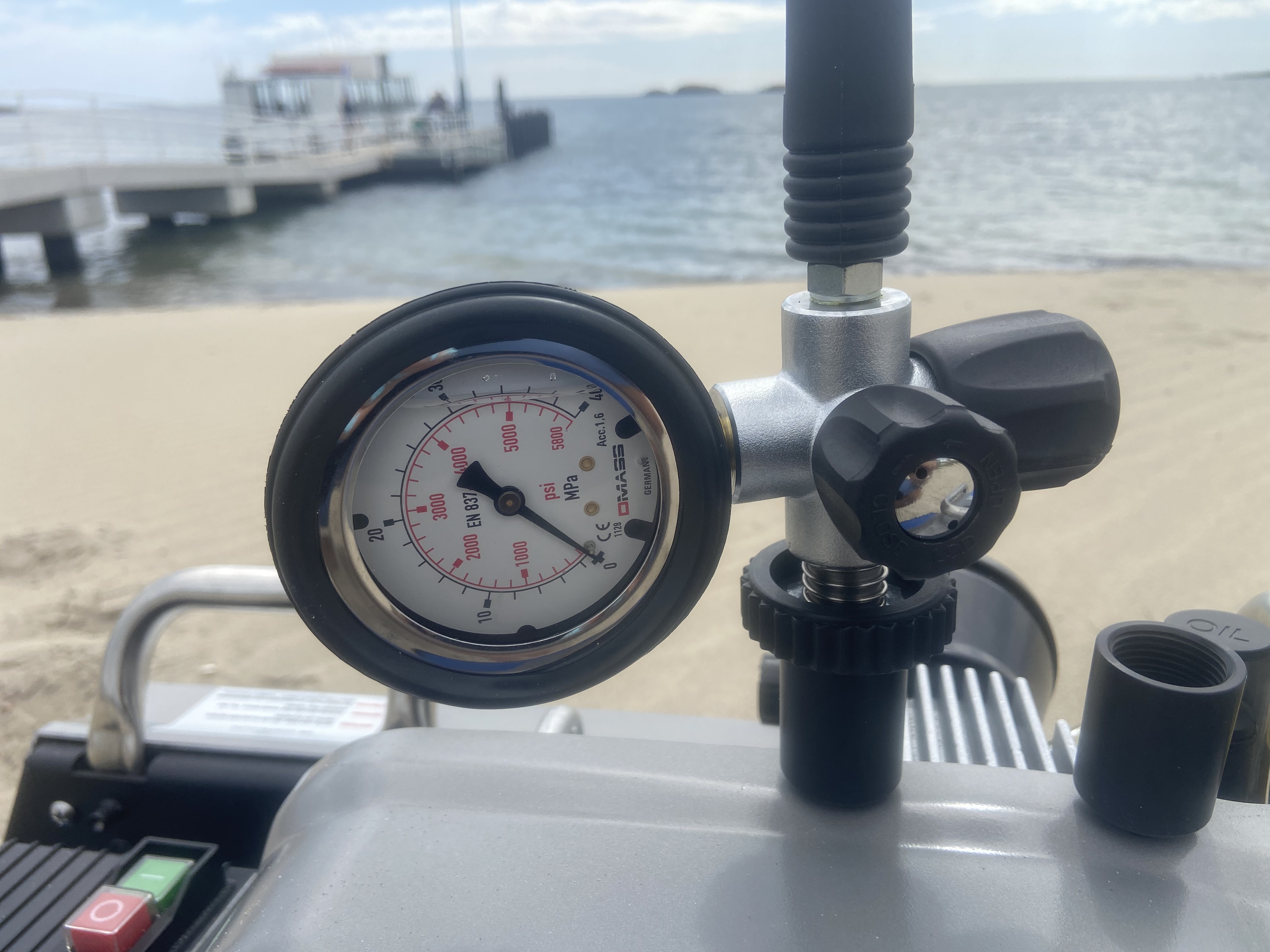
You know the importance of keeping your breathing air compressor in top shape. Regular inspections can spot potential issues before they become costly problems. Let’s explore what to check during these inspections.
Checking Compressor Components
Start by examining the compressor components. Look at the hoses and belts for any signs of wear. If you notice cracks or fraying, it’s time to replace them. A faulty part can lead to inefficient operation or even damage to your compressor.
Next, ensure the compressor’s cooling system is functioning. A clogged or malfunctioning cooling system can cause the unit to overheat, leading to breakdowns. Regularly clean and inspect the cooling fins and fans for dust and debris. This simple task can keep your compressor running smoothly.
Monitoring Air Quality
Keeping an eye on air quality is crucial. Poor air quality can harm your equipment and your health. Use an air quality monitor to check for contaminants in the air. If you find any, it might mean your filters need replacing.
A handy tip: Always test air quality before use. This ensures your compressor produces safe and clean air every time. Consistent monitoring can help you catch issues early and prevent costly repairs later on.
Identifying Common Issues
Most people think their compressor will give a clear warning before failing, but that’s not always true. Listen for unusual noises during operation. Odd sounds might signal a problem with the motor or other internal components. Also, check for leaks. Leaking air can reduce efficiency and increase energy costs.
If you spot any of these signs, address them quickly. The longer you wait, the more you risk serious damage. Regular checks and quick responses can save you money and keep your compressor running longer.
Essential Maintenance Tasks
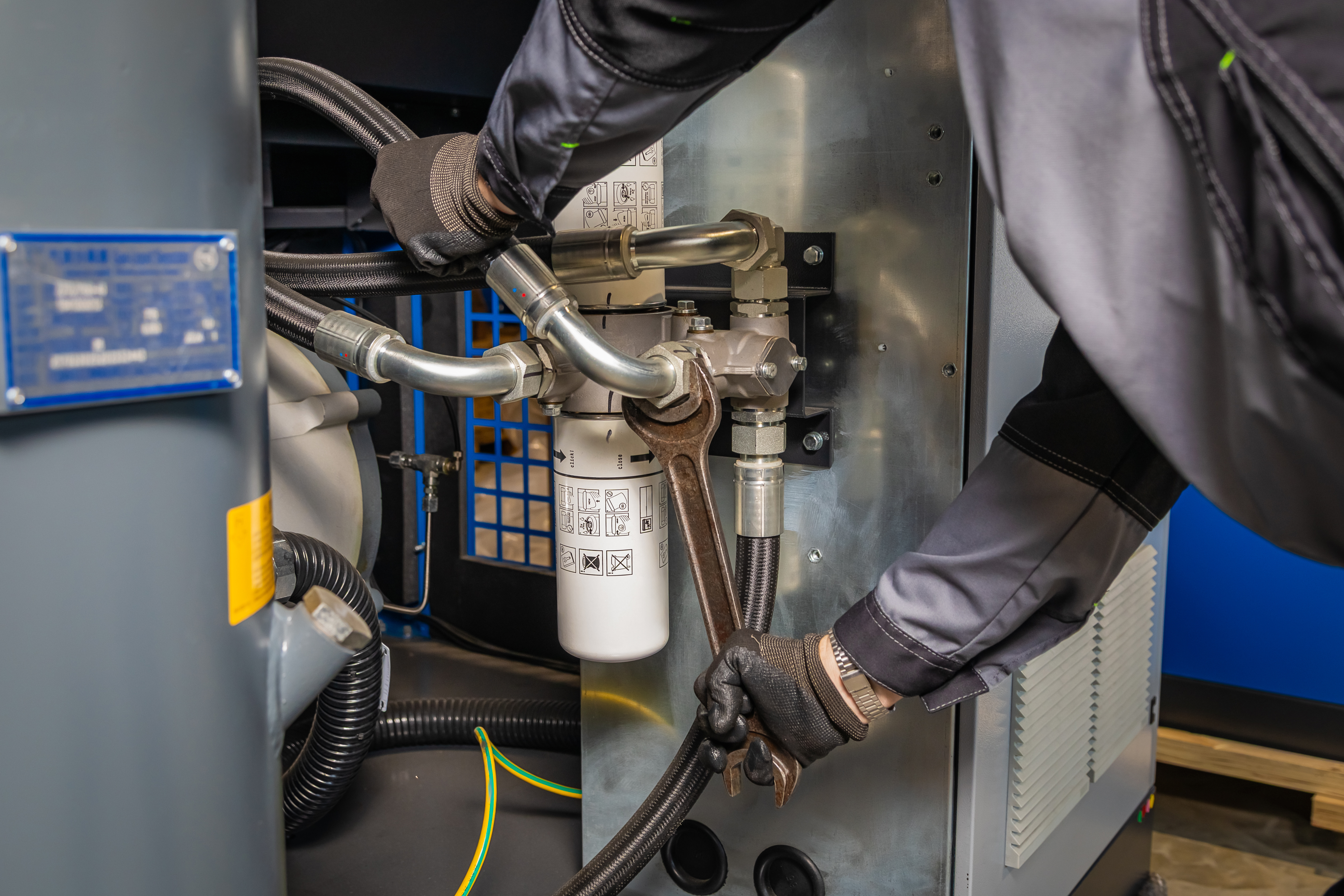
Routine maintenance is your best friend when it comes to extending the life of your compressor. Let’s dive into some tasks that keep your equipment in peak condition.
Lubrication and Cleaning
Keeping your compressor well-lubricated reduces friction and wear. Check the manufacturer’s guidelines for the right oil type and change intervals. Regular oil changes ensure the compressor operates efficiently.
Cleaning is another crucial step. Dust and dirt can clog vents and hinder performance. Wipe down the exterior and clean any accessible parts. A clean compressor runs better and lasts longer.
Filter Replacement Schedules
Filters play a vital role in maintaining air quality. Set a schedule to replace them based on usage and manufacturer recommendations. For heavy use, consider changing filters more frequently.
Remember, a clogged filter reduces airflow and forces the compressor to work harder. Replacing filters regularly can prevent strain on the system and avoid unexpected breakdowns.
Pressure and Safety Checks
Safety checks are essential to ensure everything functions correctly. Test pressure settings and safety valves to avoid over-pressurization, which can be dangerous. Regularly calibrate pressure gauges to maintain accuracy.
Routine safety checks not only protect your equipment but also ensure the safety of everyone using it. Don’t skip these checks; they’re crucial for maintaining a safe working environment.
Choosing Professional Servicing
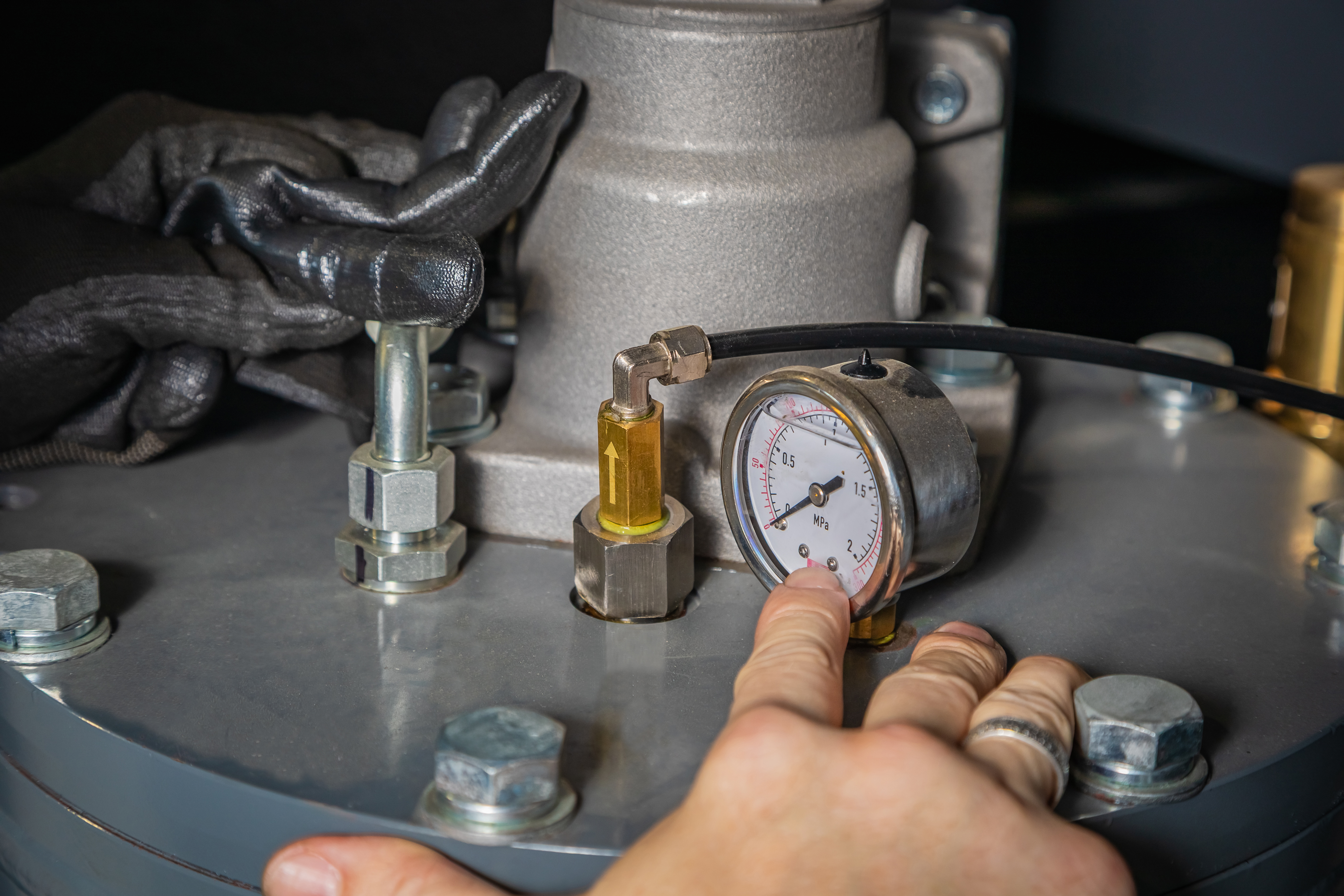
Sometimes, expert help is the best choice. Let’s explore how professional servicing can enhance the reliability of your compressor.
Benefits of Expert Maintenance
Expert maintenance offers benefits that DIY efforts can’t match. Professionals have the tools and knowledge to spot issues you might miss. They can perform in-depth inspections and maintenance, ensuring your equipment stays in top condition.
Consider scheduling regular professional servicing. It can extend the life of your compressor and prevent costly repairs. For more insights, check out this guide.
Selecting Quality IDE Compressors
When choosing a compressor, quality matters. IDE compressors offer robust performance and reliability. They’re designed for demanding environments, making them a smart investment for your scuba diving equipment.
Look for models with features that meet your specific needs. A high-quality compressor reduces the need for frequent repairs and ensures consistent performance.
Long-term Reliability Strategies
Long-term strategies keep your equipment reliable. Regular maintenance, professional servicing, and choosing quality products are key. Stay proactive in your approach, and your compressor will serve you well for years to come.
Remember, investing time in maintenance today saves you from headaches tomorrow. For more tips on compressor servicing, explore this resource.
In conclusion, regular inspections and maintenance tasks are crucial for extending the life of your compressor. Whether through DIY efforts or professional servicing, keeping your equipment in top shape ensures reliability and safety. Your scuba diving adventures depend on it.
Order Now. Breathe Better Tomorrow