How emergency services can choose cost‑effective breathing air—without compromising safety
Choosing the right emergency services breathing air system isn’t just about upfront cost—it’s about dependable performance when lives are on the line. Your crews need SCBA compressors and storage solutions that meet EN 12021 standards while keeping downtime low and long-term expenses manageable. This guide breaks down how to weigh total cost of ownership alongside critical safety features, so you can make decisions that protect your team without straining your budget.
Cost-Effective Breathing Air Solutions
Understanding how to choose the right breathing air system can safeguard your team and your budget. Dive into the factors that affect the financial side of your decisions.
Total Cost of Ownership Explained
The price tag is just the beginning when considering a breathing air system. Total cost of ownership (TCO) includes installation, maintenance, and potential downtime costs. When examining these systems, it’s essential to look beyond the initial expense. For instance, a lower-priced system might require more frequent maintenance or face downtime, affecting your operations. A more robust option could save money in the long run.
Balancing Budget and Safety
Finding a balance between cost and safety might seem tricky, but it’s crucial. The right system will meet EN12021 standards without causing budget strains. Consider the needs of your crew and the environments they operate in. A system that performs consistently in harsh conditions is invaluable. By focusing on these aspects, you ensure safety without financial stress.
Long-Term Support Considerations
Support should not be an afterthought. Choose a provider that offers comprehensive support and service plans. Regular servicing is vital to maintaining performance and compliance with safety standards. A 5-year manufacturer’s warranty can also be a significant advantage, reducing costs associated with unexpected repairs.
Selecting the Right Equipment

Choosing the right equipment is more than ticking boxes; it’s about understanding specifics that matter in the field. Let’s explore equipment options and standards.
Understanding Compressor Options
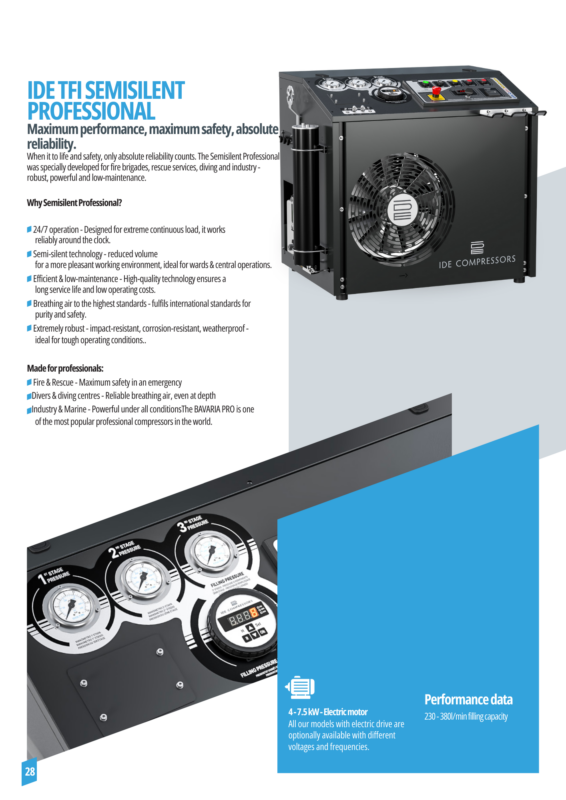
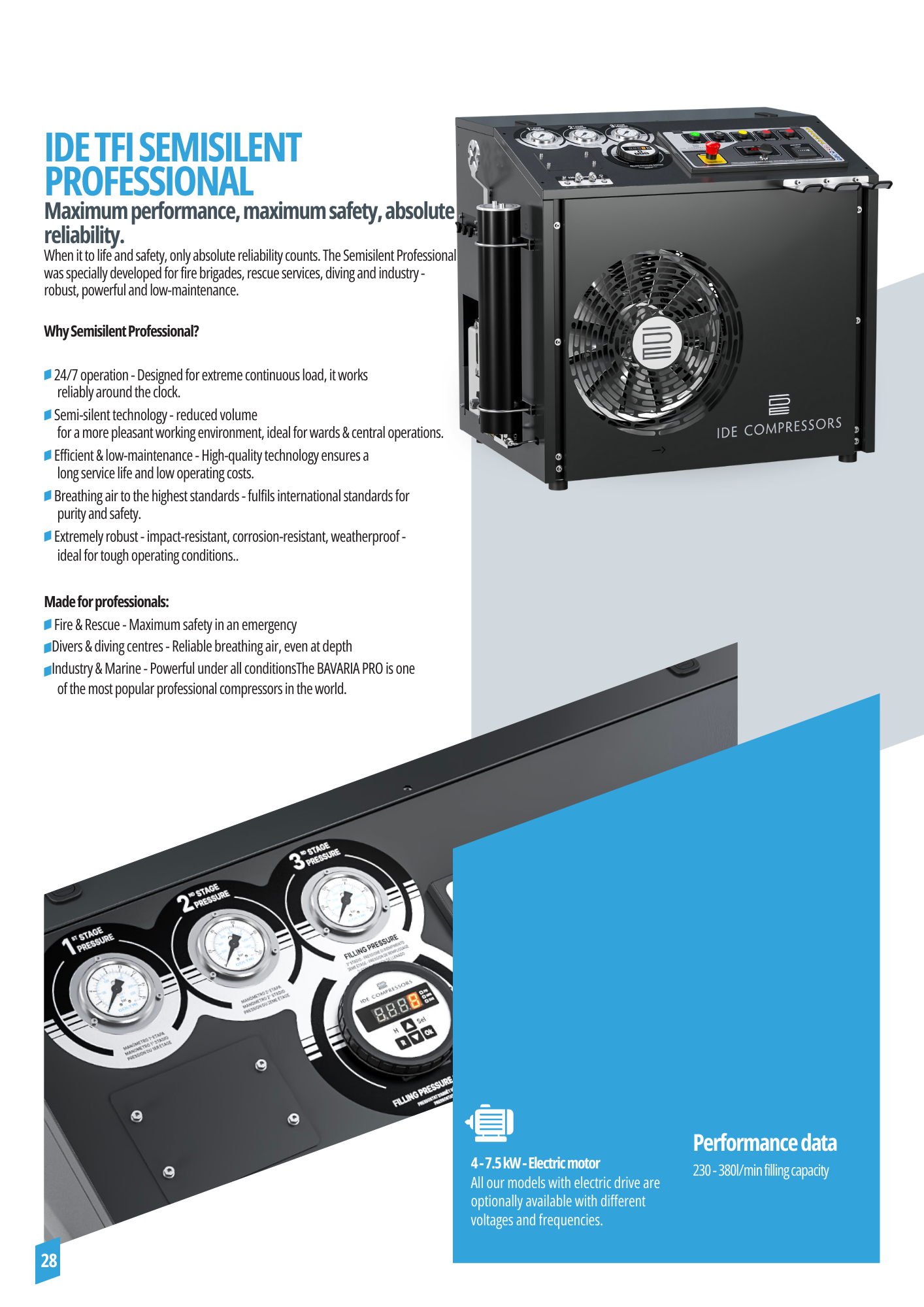
When selecting a compressor, consider whether a 225 bar compressor or a 300 bar compressor suits your needs. The difference in capacity can impact how you manage air supply during operations. Portable options provide flexibility, especially in remote areas, while stationary models might offer greater capacity and efficiency. Options like auto condensate drain and advanced filters can further enhance system reliability.
Importance of Air Quality Standards
Air quality is non-negotiable when lives are at stake. Ensure your system adheres to the EN12021 compliant air standard. Monitoring systems for CO levels can prevent hazardous exposure. A story from a local fire brigade found that regular air quality checks significantly reduced incident rates. Prioritising these standards protects both your crew and your reputation.
Ensuring Reliable Performance
Reliability is the backbone of any emergency service operation. Systems that offer 5-year warranties provide reassurance. Regular maintenance is key, so consider providers that facilitate this easily. Knowing your system won’t fail in crucial moments allows focus on what matters most—saving lives.
Practical Tips for Decision-Makers
Equipped with knowledge about costs and equipment, let’s turn to practical tips that empower decision-makers to make informed choices.
Evaluating Uptime and Maintenance
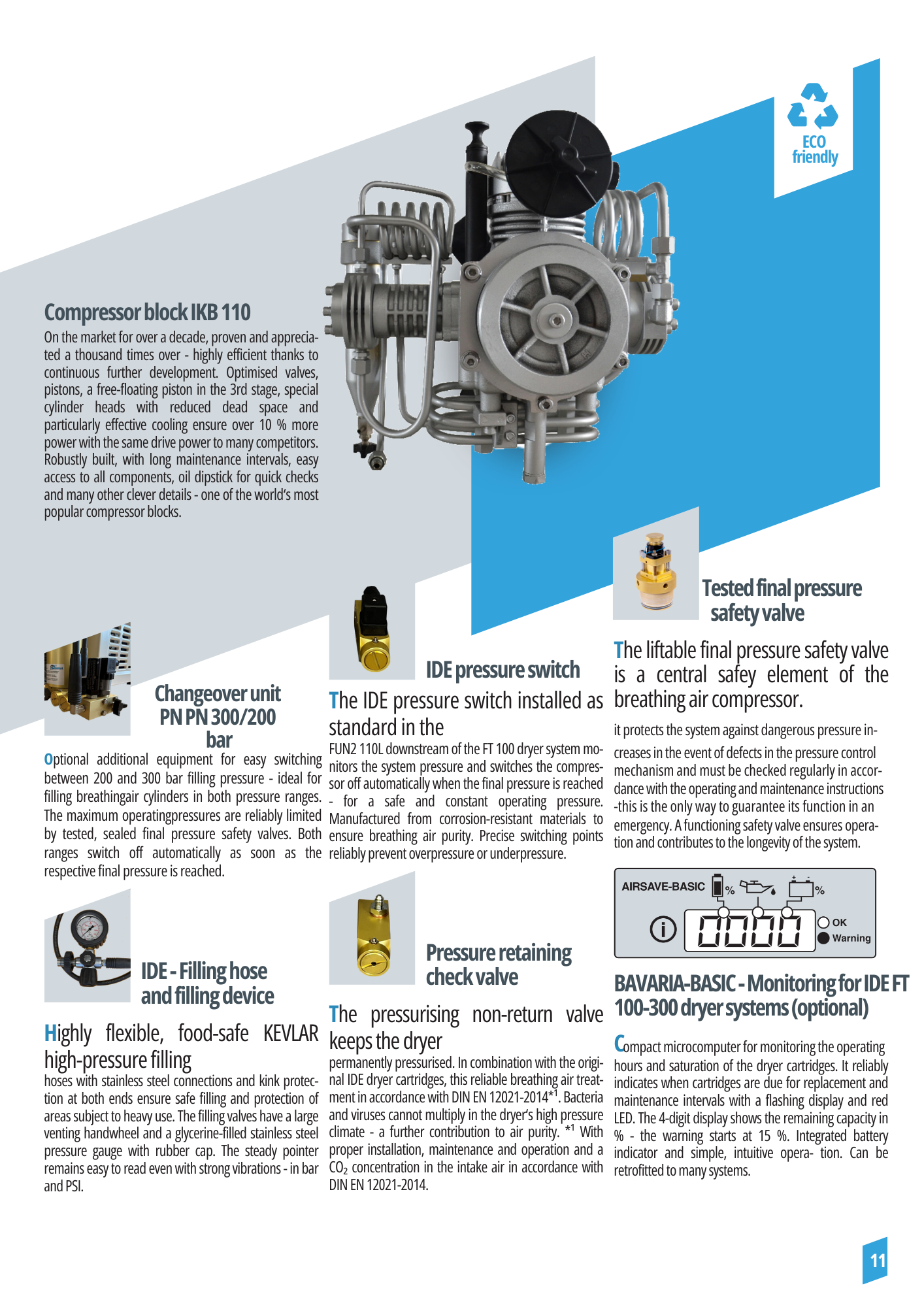
Uptime is vital; every minute counts in emergencies. Systems with high uptime rates minimise disruptions. Consider the ease of compressor servicing in Australia, ensuring quick access to parts and expertise. A smart move is to choose systems with fewer maintenance needs, reducing downtime and costs.
The Role of Technical Support
Technical support is crucial, especially during unexpected failures. Ensure your supplier offers round-the-clock support. The comfort of knowing help is a call away can’t be overstated. Providers with local service centres can offer faster responses, enhancing operational continuity.
Making Informed Choices
You now possess the insights needed to make a smart choice. Remember, it’s not just about the cost; it’s about value, safety, and support. A well-chosen air system protects your team and optimises your budget. By focusing on these elements, you ensure readiness for all situations.
With these insights, you’re well-prepared to choose a system that meets your needs without compromising safety or your budget.