
Breathing air compressor maintenance tips for dive safety
Breathing air compressor maintenance is the backbone of dive safety Australia depends on. Neglecting routine checks or filter changes puts your operation at risk of costly downtime and non-compliance with AS/NZS 2299.1 standards. This guide lays out practical steps—from oil care to condensate management—to keep your compressor reliable and your air pure, so you can focus on what matters beneath the surface. For more insights, check out this guide to SCUBA air compressors.
Daily Compressor Checks
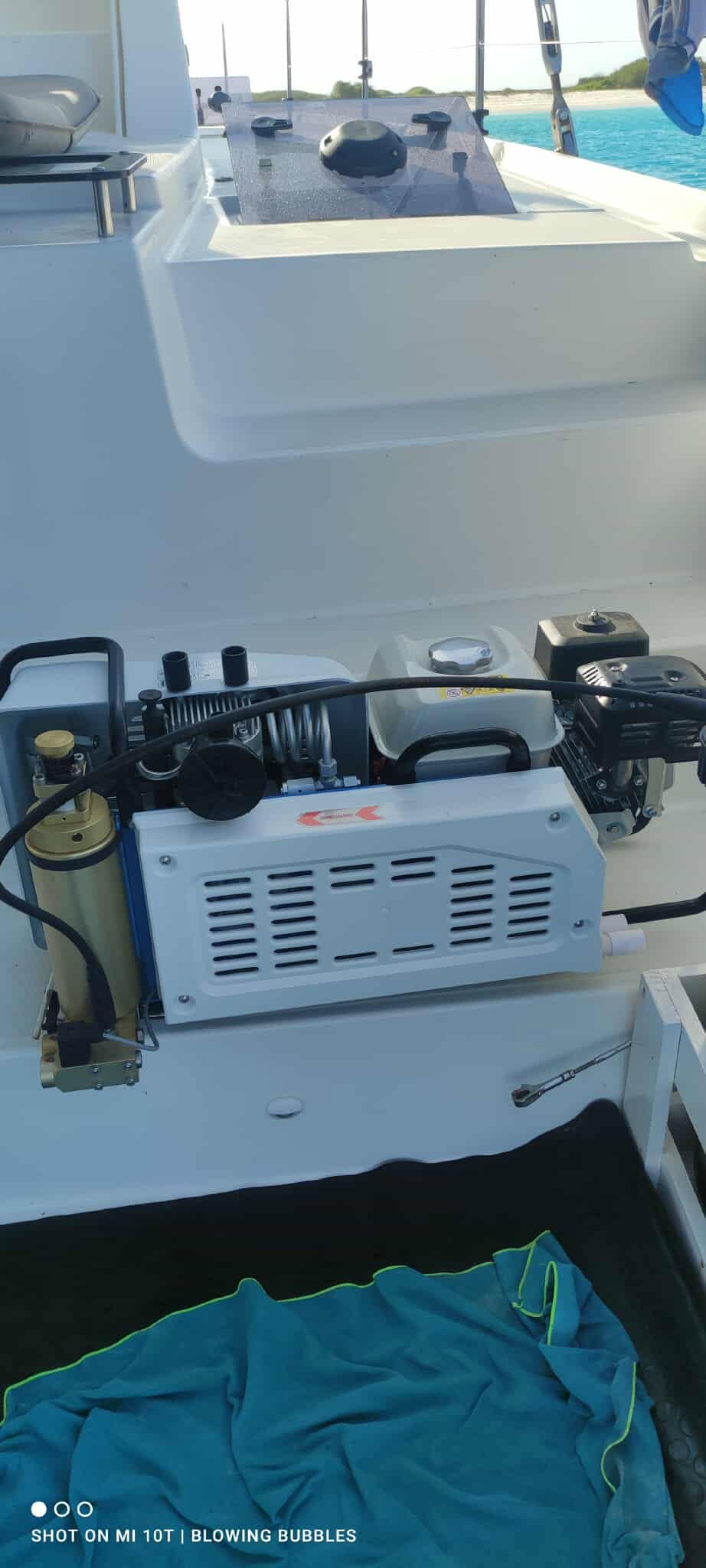
Caring for your compressor daily is crucial for performance and safety. Begin each day with a fresh start to ensure everything runs smoothly.
Morning Start-Up Routine
First things first, turn on your compressor with a purpose. Listen for strange noises. If anything seems off, it might signal a problem. Check the oil level. Add more if it’s low. A well-oiled machine keeps things running like a charm.
Next, inspect the belts and hoses. They need to be tight and free of cracks. A quick glance can save you from bigger issues later on. If you spot any wear, replace them. A stitch in time saves nine.
Monitoring Moisture and CO Levels
Moisture and carbon monoxide are tricky. You can’t see them, but they can cause damage. Attach a moisture filter to catch water droplets. This prevents rust and keeps the air dry.
Monitor CO levels with a reliable sensor. It’s your silent guardian against dangerous gases. Keeping an eye on these levels ensures the air you breathe is clean and safe.
Managing Automatic Condensate Drains
Condensate drains are unsung heroes. They remove water that could cause rust. Ensure the drain is set to function automatically. Manual draining can be a hassle and is easy to forget.
Regularly review drainage settings. If the drain doesn’t work properly, water can build up. Address issues promptly to avoid costly repairs. Visit this link for more information on compressor room safety.
Regular Filter and Oil Care
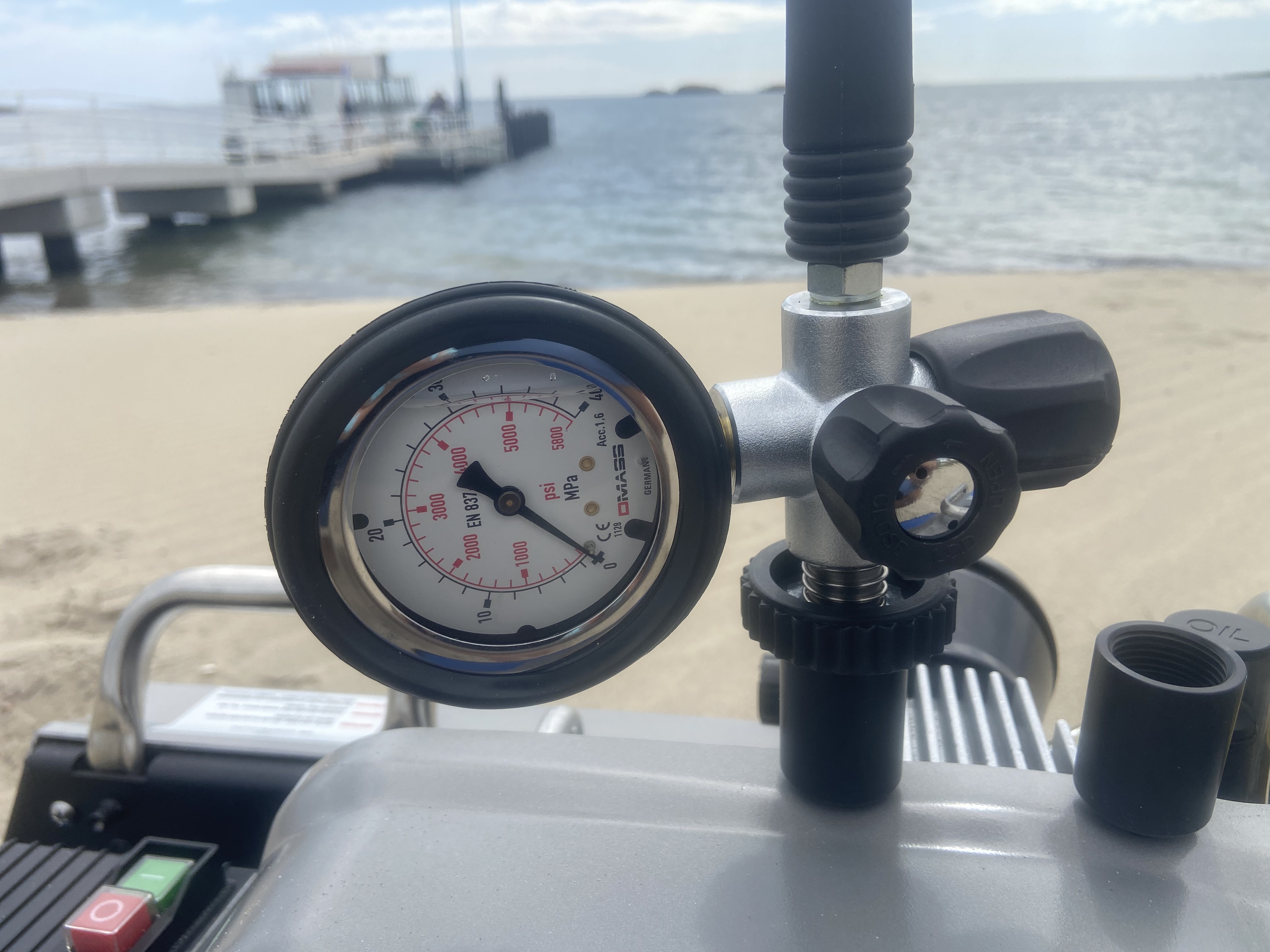
Filters and oil are your compressor’s lifeblood. Keeping them clean and fresh is vital for efficiency and longevity.
Compressor Filter Change Schedule
Changing filters on time is non-negotiable. A clogged filter strains your system. Stick to a regular schedule to avoid this. Most filters need changing every 50 hours of use. Mark it on your calendar.
Don’t wait for a problem to arise. A clean filter ensures your air stays pure. Make it a habit to check and replace them regularly.
Choosing the Right Compressor Oil
The right oil makes a world of difference. Not all oils are created equal. Choose one specifically for compressors. It should withstand high pressure and temperature.
Inspect oil levels often, especially in hot weather. Low oil can cause overheating. Top it off when necessary. Clean oil keeps your engine purring.
Troubleshooting Common Oil Issues
Oil leaks and contamination are common woes. If you spot a leak, fix it immediately. It could be a loose fitting or a cracked hose. Tighten or replace as needed.
Contaminated oil is a red flag. It could mean a filter is past its prime. Resolve this quickly to avoid damage. For a comprehensive guide, check out this link.
Air Quality and Safety Compliance
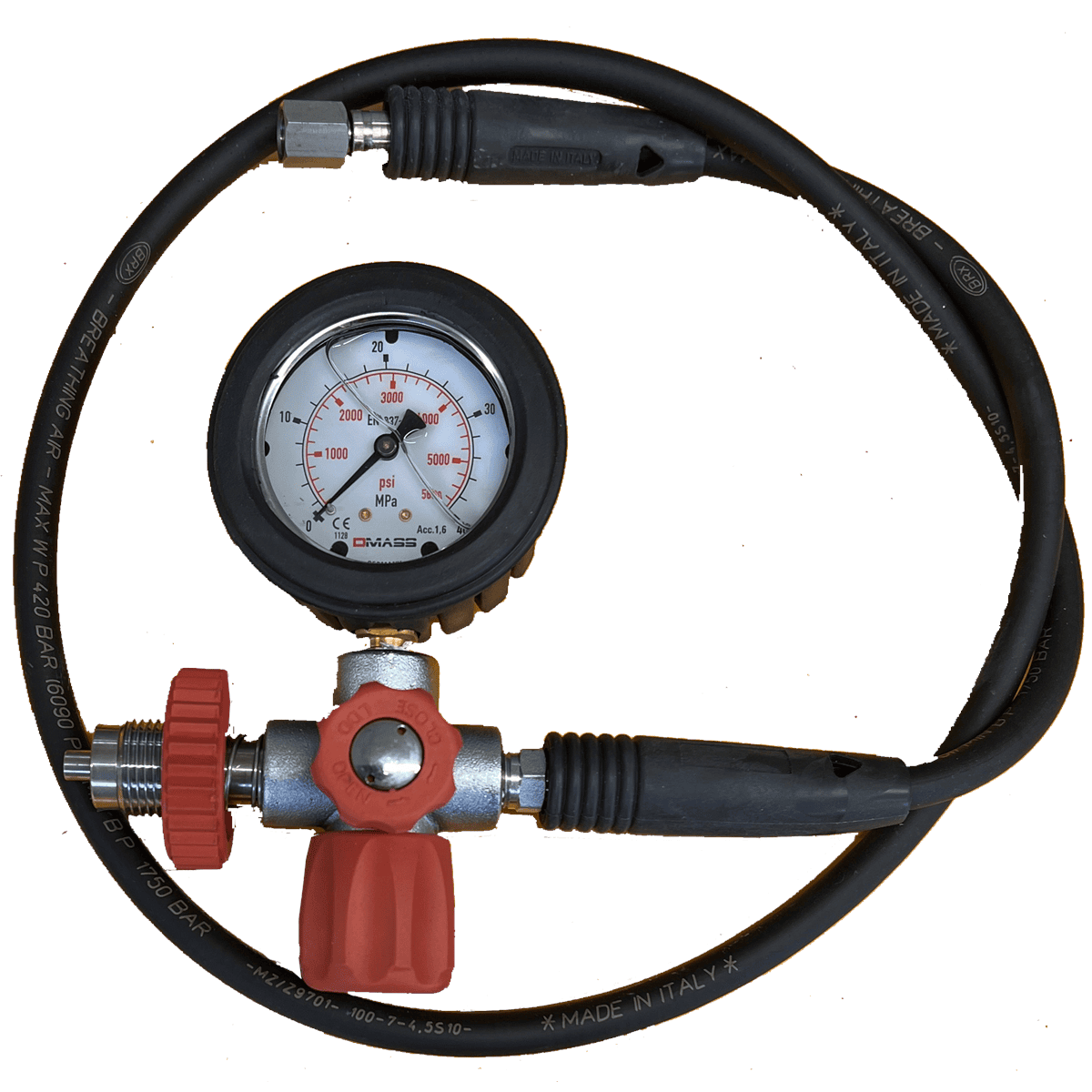
Meeting the standards isn’t just about rules; it’s about ensuring safety and peace of mind.
AS/NZS 2299.1 and EN 12021 Standards
These standards are your safety net. They ensure the air quality is top-notch. Regularly review these guidelines to stay compliant. Understanding them protects both divers and equipment.
Your compressor should meet these standards at all times. Non-compliance isn’t just risky; it’s also costly. Compliance keeps your operation smooth and stress-free.
Scheduling Air Purity Testing Australia
Testing air purity is like a regular health check-up. It confirms everything is in tip-top shape. Schedule tests every six months. It’s a simple step that ensures safety.
Choose a certified tester for reliable results. Quality testing is an investment in peace of mind. When in doubt, test again.
Maintaining Dive Safety in Australia
Dive safety is a shared responsibility. Keep your gear in excellent condition and adhere to safety protocols. Regular maintenance is key.
Engage with diving communities for support and advice. Their experiences can guide you. For community discussions, visit this Facebook group.
In conclusion, maintaining your compressor is about more than just following steps; it’s about ensuring safety and reliability every time you dive. Remember, the longer you wait to address issues, the bigger they may become. Prioritise regular checks and maintenance to ensure your operations run smoothly, keeping risks at bay.
For more guidance on compressor and fill station safety, explore this resource.