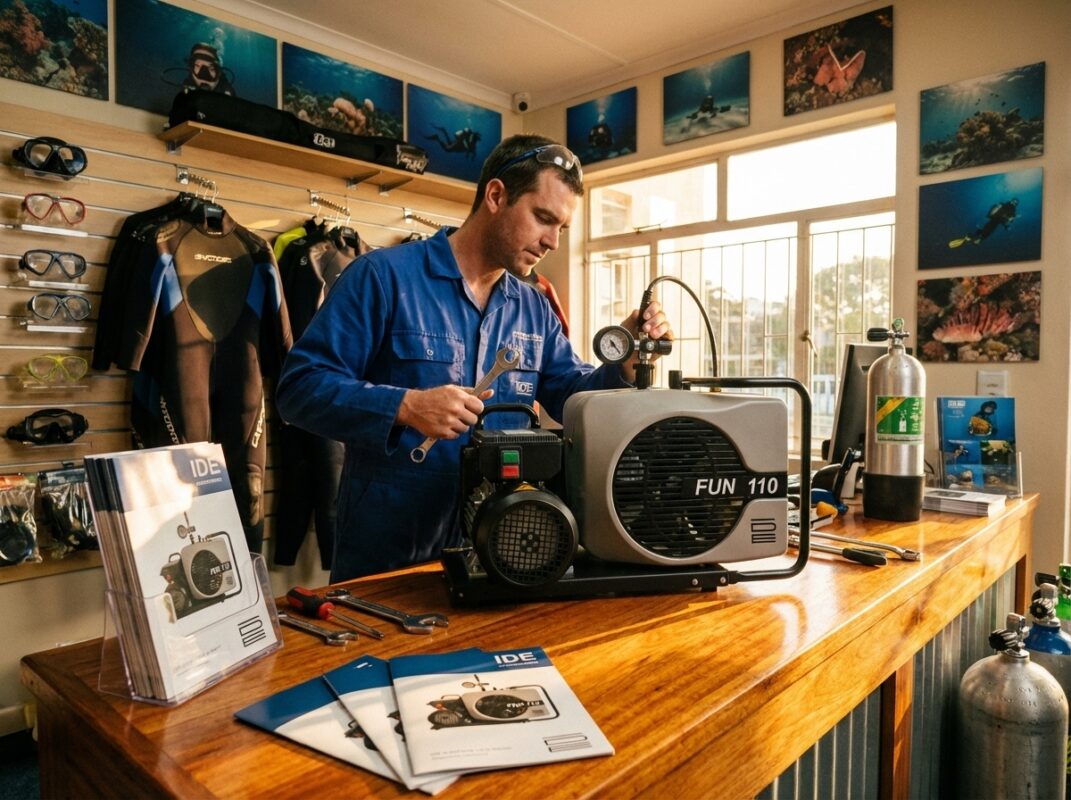
IDE compressor specifications made clear: a practical guide to performance, compliance, and real‑world reliability
Most breathing air compressor specs look complicated, leaving you unsure which system fits your needs and compliance rules. IDE compressors Australia offers clear, practical details tailored for harsh Aussie conditions and daily dive centre demands. This guide breaks down those specs so you can confidently pick a reliable, low-maintenance compressor built to keep your air clean and safe every time. For more insights, check out this guide.
Understanding IDE Compressor Performance
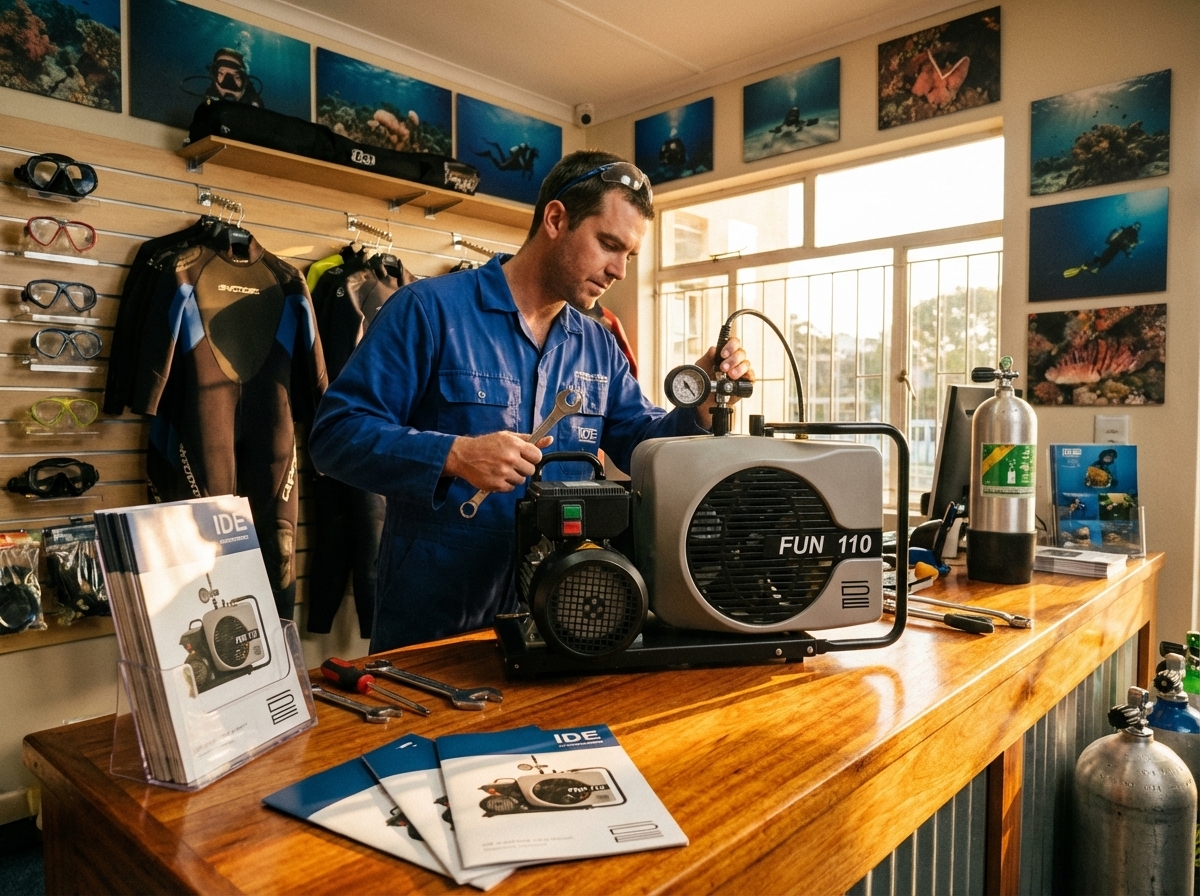
Navigating the many specs of IDE compressors can be daunting. Yet, understanding the essentials of performance can make choosing the right system much simpler. Let’s dive into the key factors that influence compressor performance.
Deciphering Air Delivery and Throughput
Air delivery is a fundamental aspect of compressor operation. It directly impacts how well your system meets your air demands. For IDE compressors, the air delivery rate is measured in cubic metres per minute (CMM). A typical model might offer 0.33 CMM. This ensures a steady supply of clean air for your dives.
Throughput is another critical metric. It reflects the compressor’s efficiency in processing and delivering air. When selecting a system, consider your typical air usage and opt for a compressor that comfortably meets or exceeds this need. This ensures your operations run smoothly without interruption.
Choosing an IDE compressor with the right air delivery and throughput can significantly impact your dive centre’s performance. It’s all about matching your needs with the compressor’s capabilities.
Working Pressure Options Explained
Working pressure is the force at which air is delivered to your tanks. IDE compressors typically offer options like 232 bar or 300 bar. These pressures cater to different diving needs.
A 232 bar compressor is suitable for standard recreational diving. On the other hand, a 300 bar compressor provides higher pressure for demanding tasks like deep dives or technical diving. Selecting the right pressure ensures your tanks are filled accurately and safely, avoiding over-pressurisation risks.
Understanding these pressure options can help you choose a compressor that aligns with your diving activities. Whether you’re filling tanks for a leisurely dive or a technical expedition, picking the right pressure is key.
Compressor Block and Stages Impact
The compressor block is the heart of your system. It determines how air is compressed and delivered. IDE compressors use multi-stage blocks to ensure efficient air delivery.
Each stage compresses the air further, enhancing the overall pressure and quality. A three-stage block, for example, provides a steady flow of high-pressure air, ideal for filling multiple tanks quickly. This is crucial for busy dive centres where time efficiency is paramount.
Choosing a compressor with the right block and stages can enhance your operational efficiency. It ensures you have a reliable supply of high-quality air, no matter the demand.
Power and Filtration Choices

Power and filtration are critical components that influence your compressor’s effectiveness. Let’s explore how to choose the right options to ensure clean, reliable air delivery.
Choosing the Right Drive Option
The drive option determines how your compressor is powered. IDE compressors offer electric and petrol options.
Electric drives are ideal for stationary setups with a reliable power supply. They provide consistent performance and are often quieter. Petrol drives offer portability and flexibility, perfect for remote locations without easy access to electricity.
Selecting the right drive option depends on your operational environment. Consider your power availability and mobility needs when making your choice.
Importance of Filtration and Air Quality
Filtration is vital for maintaining air quality. IDE compressors come equipped with advanced filtration systems, ensuring compliance with standards like EN 12021. These systems remove impurities and moisture, delivering clean air every time.
High-quality filtration protects your equipment and divers’ health. Regular filter maintenance is crucial to ensure continuous performance. By investing in an IDE compressor, you’re prioritising clean, safe air for your operations.
Moisture Control Techniques
Moisture control prevents water build-up in your compressor and tanks. IDE compressors feature automatic condensate drain systems that efficiently remove moisture, reducing corrosion risk.
Keeping moisture in check ensures your equipment lasts longer and performs reliably. Regularly check and maintain these systems to avoid any operational hiccups. This ensures your compressor remains in top condition, providing dependable air whenever you need it.
Ensuring Reliability and Compliance
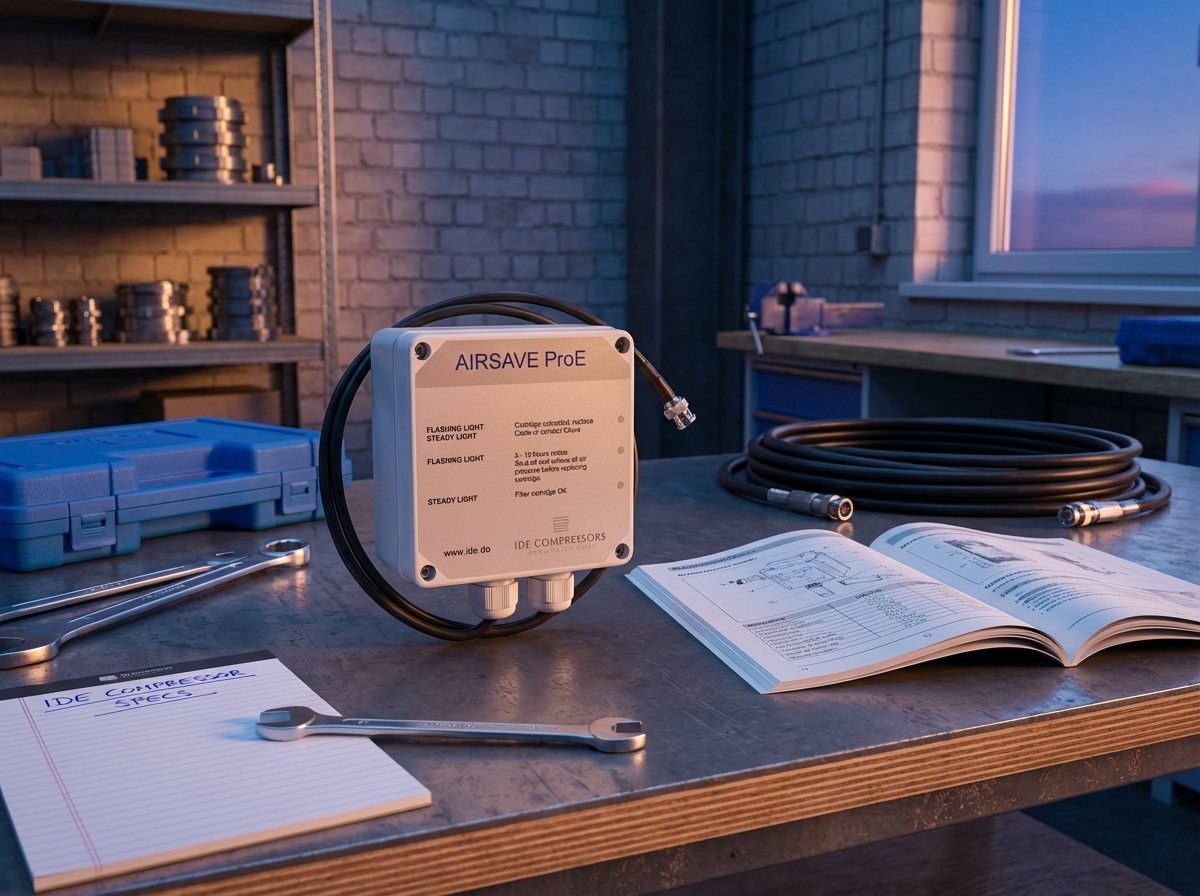
Reliability and compliance are top priorities for any compressor system. Let’s delve into features that make IDE compressors trustworthy in diverse environments.
Monitoring and Protection Features
Monitoring and protection systems are essential for maintaining compressor health. IDE compressors incorporate features like pressure gauges and automatic shut-off controls. These tools alert you to potential issues, allowing for timely intervention.
By keeping a close eye on these metrics, you protect your investment and ensure consistent performance. It’s all about peace of mind, knowing your compressor is safeguarded against unexpected failures.
Marine Readiness for Australian Waters
Australian waters present unique challenges. IDE compressors are designed to withstand these conditions, offering corrosion-resistant components and robust construction. This makes them ideal for marine applications.
Whether you’re on a yacht or a dive boat, an IDE compressor provides reliable air supply even in harsh environments. Trust in a system built to handle the demands of Australian waters, ensuring you have quality air whenever it’s needed.
Compliance and Documentation Essentials
Compliance with safety standards is non-negotiable. IDE compressors are designed to meet stringent regulations like EN 12021. Comprehensive documentation accompanies each unit, detailing maintenance schedules and operational guidelines.
Staying compliant not only ensures the safety of your operations but also protects you from legal ramifications. Keep all documentation organised and up-to-date to streamline audits and inspections. This is your assurance of operating within the bounds of safety and legality.
By understanding these core elements, you can confidently select an IDE compressor that meets your specific needs. Whether you’re focused on performance, power, or compliance, these insights guide you to a system that supports your dive operations effectively.