Best practice guide: compressor room ventilation for Australian dive operations
Compressor room ventilation is often overlooked until problems arise: poor air quality, rising temperatures, or corrosion threatening your breathing air compressor’s reliability. If your dive shop compressor room isn’t designed or maintained to meet AS/NZS 2299.1 ventilation and AS 1668.2 mechanical ventilation standards, you risk compromised air and costly downtime. This guide breaks down practical steps to control heat, manage air changes per hour, and ensure your system keeps delivering safe, clean air every time you need it.
Key Ventilation Considerations
Every dive operator knows the importance of reliable air systems. Ventilation is the backbone of your compressor room, influencing air quality, temperature, and compliance with standards.
Importance of Air Quality
Ensuring optimal air quality in your compressor room is crucial. High air quality means your breathing air compressor works at its best, reducing risks and extending equipment life. Poor air quality can lead to contamination, affecting the safety of divers. Regular checks and maintenance of air filters are essential. You might think that your current setup is adequate, but most people find surprising improvements by refining their filtration systems. Prioritising clean air supports your team and keeps your equipment running smoothly.
Managing Heat Load
Heat load management is a key factor in compressor room efficiency. Excessive heat can degrade compressor performance and lead to equipment failure. To manage heat effectively, consider strategic placement of vents and the use of temperature sensors. Implementing these measures ensures a stable environment, reducing wear and tear on your systems. By controlling the heat, you also enhance the longevity of your compressor components, saving you money in the long run.
Compliance with Australian Standards
Meeting Australian standards like AS/NZS 2299.1 for ventilation and AS 1668.2 for mechanical ventilation is not just about compliance; it’s about safety and reliability. Following these standards ensures that your compressor room operates within safe parameters, reducing the risk of accidents or equipment failure. Compliance also brings peace of mind, knowing that your setup adheres to the best practices recognised nationwide. These standards are a foundation for building a safer, more efficient operation.
Designing Effective Ventilation
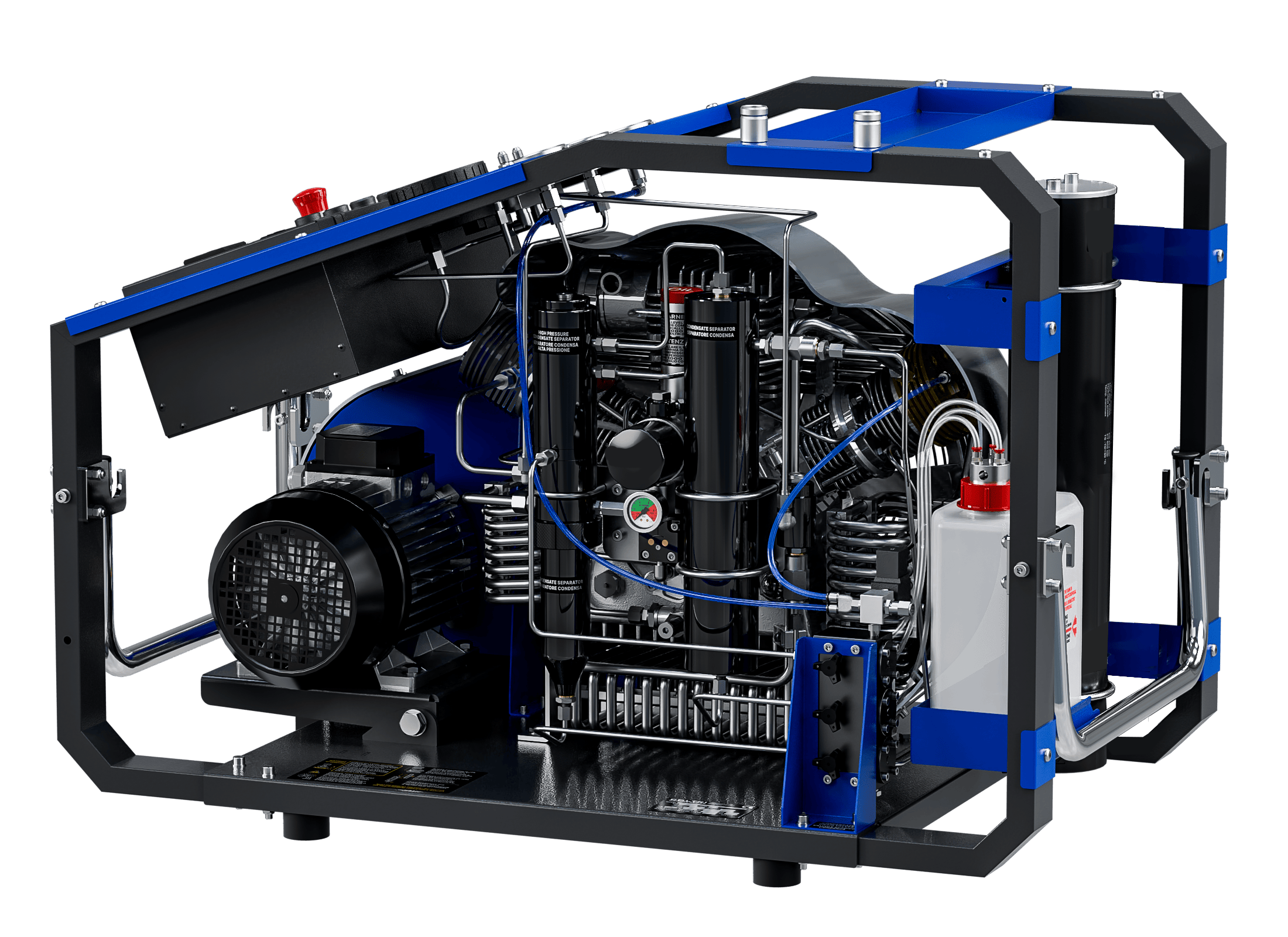
Designing an effective ventilation system requires thoughtful planning and an understanding of key components. From intake placement to air changes, every detail matters.
Compressor Intake Placement
The placement of your compressor intake can significantly affect performance. Ideally, intakes should be positioned away from potential contaminants. Ensuring that intakes are located in areas with clean air helps prevent dust and pollutants from entering the system. This strategic placement not only protects your equipment but also maintains air quality. An intake positioned poorly can lead to frequent maintenance and increased costs. Review your current setup to see if improvements can be made.
Air Changes Per Hour
Air changes per hour (ACH) is a critical metric in ventilation design. A well-ventilated room should achieve a set number of air exchanges to ensure fresh air supply and temperature control. Calculating ACH helps optimise your system to deliver consistent performance. Aiming for six to eight changes per hour is a good benchmark for most compressor rooms. This metric helps maintain a balanced environment, ensuring optimal operation of your equipment.
Temperature Controlled Fans
Temperature-controlled fans are an effective tool for managing compressor room conditions. These fans activate based on the room’s temperature, ensuring consistent airflow and preventing overheating. Installing these fans can lead to significant energy savings, as they only operate when needed. You’ll find that this approach not only enhances efficiency but also extends the life of your equipment. Consider integrating temperature-controlled fans into your ventilation strategy to optimise performance.
Enhancing Safety and Reliability
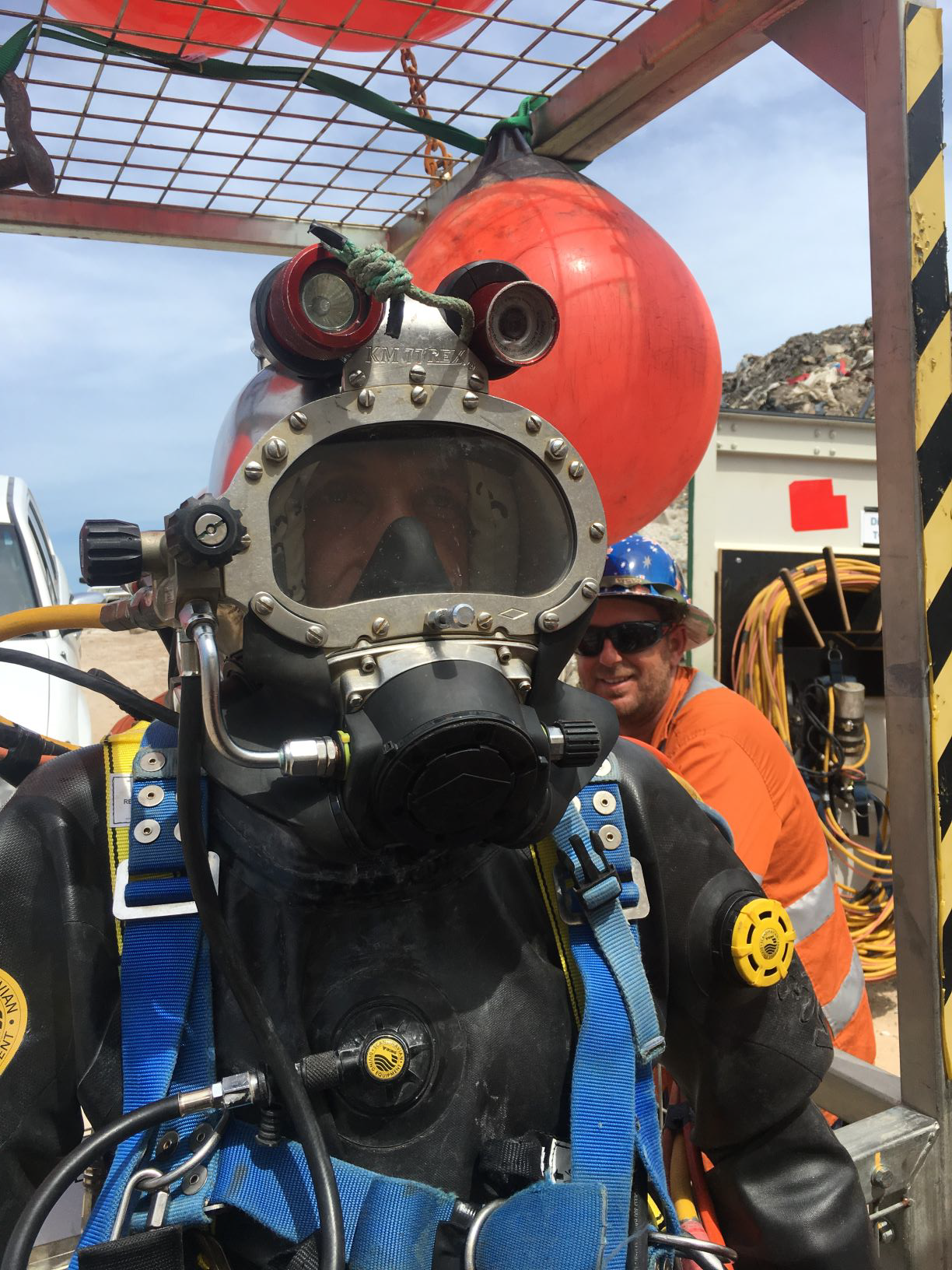
To ensure your compressor room remains safe and reliable, focus on integrating advanced safety features and robust equipment options.
CO Monitoring and Shutdown Interlocks
Implementing CO monitoring and shutdown interlocks is a proactive step to enhance safety. These systems detect dangerous levels of carbon monoxide, automatically shutting down the compressor to prevent harm. This feature is especially important in enclosed spaces where CO build-up can occur rapidly. Regularly testing and maintaining these systems ensures they function correctly when needed. This investment in safety technology protects both your team and your equipment.
Salt Mist Corrosion Control
For marine operations, controlling salt mist corrosion is vital. Salt can quickly degrade metal components, leading to costly repairs or replacements. Applying corrosion-resistant coatings and using stainless-steel parts are effective strategies. Regularly inspect and maintain these protective measures to keep corrosion at bay. By prioritising corrosion control, you extend the life of your compressor and maintain operational integrity, even in harsh marine environments.
Marine-Grade Equipment Options
Choosing marine-grade equipment is an investment in durability and reliability. Designed to withstand challenging conditions, these components offer enhanced protection against moisture and corrosion. When selecting equipment, consider those specifically rated for marine environments. This choice not only improves performance but also reduces long-term maintenance costs. With marine-grade options, you ensure your compressor room is ready to face the toughest conditions with confidence.