
Breathing air compressor maintenance in Australia: a practical guide for long-term reliability and safety
Breathing air compressor maintenance is more than ticking boxes—it’s about keeping the air your team depends on safe and sound. Skipping or delaying key tasks risks costly downtime and compromises safety in dive centres, vessels, or mobile fill stations. This guide lays out a clear, practical schedule that helps you meet EN 12021 and AS/NZS 2299.1 standards while extending your compressor’s life in tough Australian conditions. For more tips on maintaining your breathing air compressor, check out this guide.
Daily Maintenance Essentials
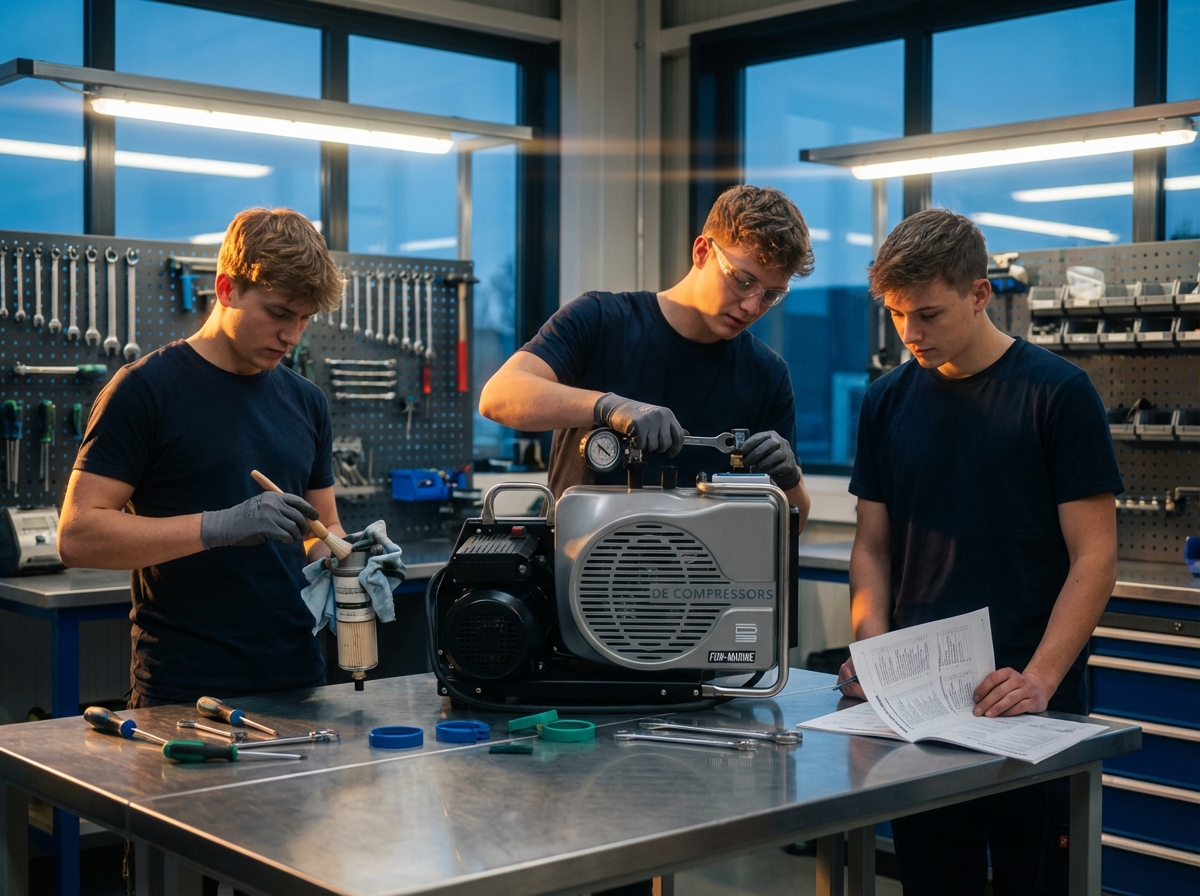
Keeping your breathing air compressor in top shape starts with daily attention. These tasks ensure your compressor runs smoothly and safely every day.
Visual Checks and Inspections
Begin each day with a thorough visual check of your equipment. Look for any visible wear, leaks, or corrosion. Pay close attention to hoses, fittings, and the compressor exterior. Spotting issues early prevents bigger problems later. For instance, noticing a small leak now can save your compressor’s motor from damage down the line. Make this a routine, and you’ll extend the life of your compressor.
Managing Condensate Accumulation
Condensate build-up is unavoidable, but managing it is crucial. Each day, ensure your compressor’s condensate drains are working properly. Accumulated moisture can lead to internal corrosion, affecting performance. If your compressor has an automatic drain system, check its operation. For those without, manually discharge condensate regularly. Consistent management keeps your air pure and your equipment in peak condition.
Checking Oil Levels and Intake
Check oil levels daily, and top up if needed. Proper lubrication is a must for efficient compressor operation. Low oil levels lead to wear and tear, reducing lifespan. At the same time, inspect the air intake for any debris or blockages. Clear intakes ensure only clean air enters the system, maintaining compressor efficiency. Regular checks here safeguard against unexpected downtime.
Scheduled Service Intervals
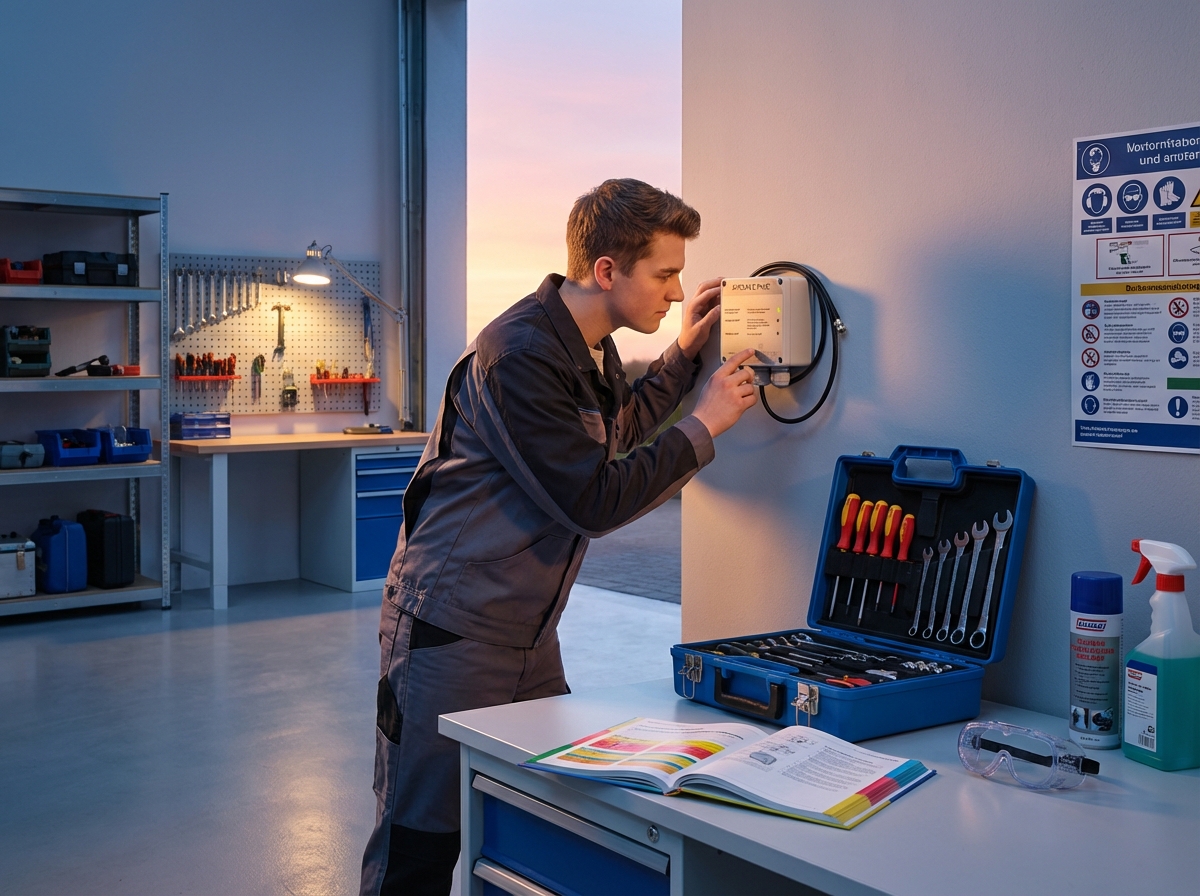
Beyond daily checks, scheduling regular service intervals is vital. These steps keep your compressor running efficiently and safely over time.
Compressor Oil Change Interval
Changing compressor oil at regular intervals is non-negotiable. Most systems require an oil change every 500 hours or quarterly, whichever comes first. Fresh oil ensures optimal lubrication, reducing engine wear. Old oil, laden with contaminants, can lead to costly repairs. Mark your calendar, set reminders, and keep your compressor performing smoothly.
Filter Change Schedule
Filters are your first line of defense against impurities. Changing filters according to your system’s specifications is key—typically every 1 hours of operation. A clogged filter increases pressure, straining your compressor. Always have spare filters on hand, so you’re never caught off guard. Good filtration means clean air and less stress on your machine.
Priority Valve Maintenance
Priority valves are crucial for maintaining the right pressure levels. Regular checks and servicing are essential to ensure they function correctly. Faulty valves can cause pressure drops or spikes, compromising safety. Every six months, inspect and clean the valves, replacing them as necessary. This simple task helps maintain consistent performance and safety.
Annual Safety and Performance

Once a year, focus on comprehensive safety and performance checks. These ensure your compressor meets standards and operates reliably.
Air Quality Testing Australia
Annual air quality testing is essential. It confirms your compressor is delivering clean, breathable air. Partner with certified providers to conduct these tests, ensuring they meet EN 12021 standards. Regular testing not only complies with regulations but also assures your team’s safety. This proactive step in air quality maintenance is invaluable.
CO and Moisture Monitor Calibration
Your CO and moisture monitors need yearly calibration. Accurate measurements are critical for safety. Incorrect readings can lead to hazardous air quality. Calibration should be done by professionals, ensuring precision and reliability. This annual task is a small investment in ensuring your air remains safe for all users.
Marine Compressor Corrosion Prevention
In marine environments, corrosion is a constant threat. Annually, treat your compressor with anti-corrosion measures. Inspect all components for signs of rust and address them promptly. Applying protective coatings and using corrosion-resistant materials can greatly extend your compressor’s life. This preventative care keeps your equipment reliable in harsh conditions.
These maintenance steps are your roadmap to keeping your breathing air compressor in prime condition. By sticking to these schedules, you reduce risks, ensure safety, and extend your equipment’s life. For more insights, visit this resource.