
Breathing air compressor standards in Australia: what compliance really means for dive, emergency and industrial users
Most dive operators and emergency teams don’t realise how complex breathing air compressor Australia standards can be. Meeting AS/NZS 2299.1, AS/NZS 1715, and EN 12021 isn’t just ticking a box—it’s about protecting lives with clean, safe air every time you fill. This guide breaks down key requirements and shows how Safety Stop’s IDE compressors and services make staying compliant straightforward and budget-friendly. Learn more about air quality matters here.
Key Standards for Breathing Air
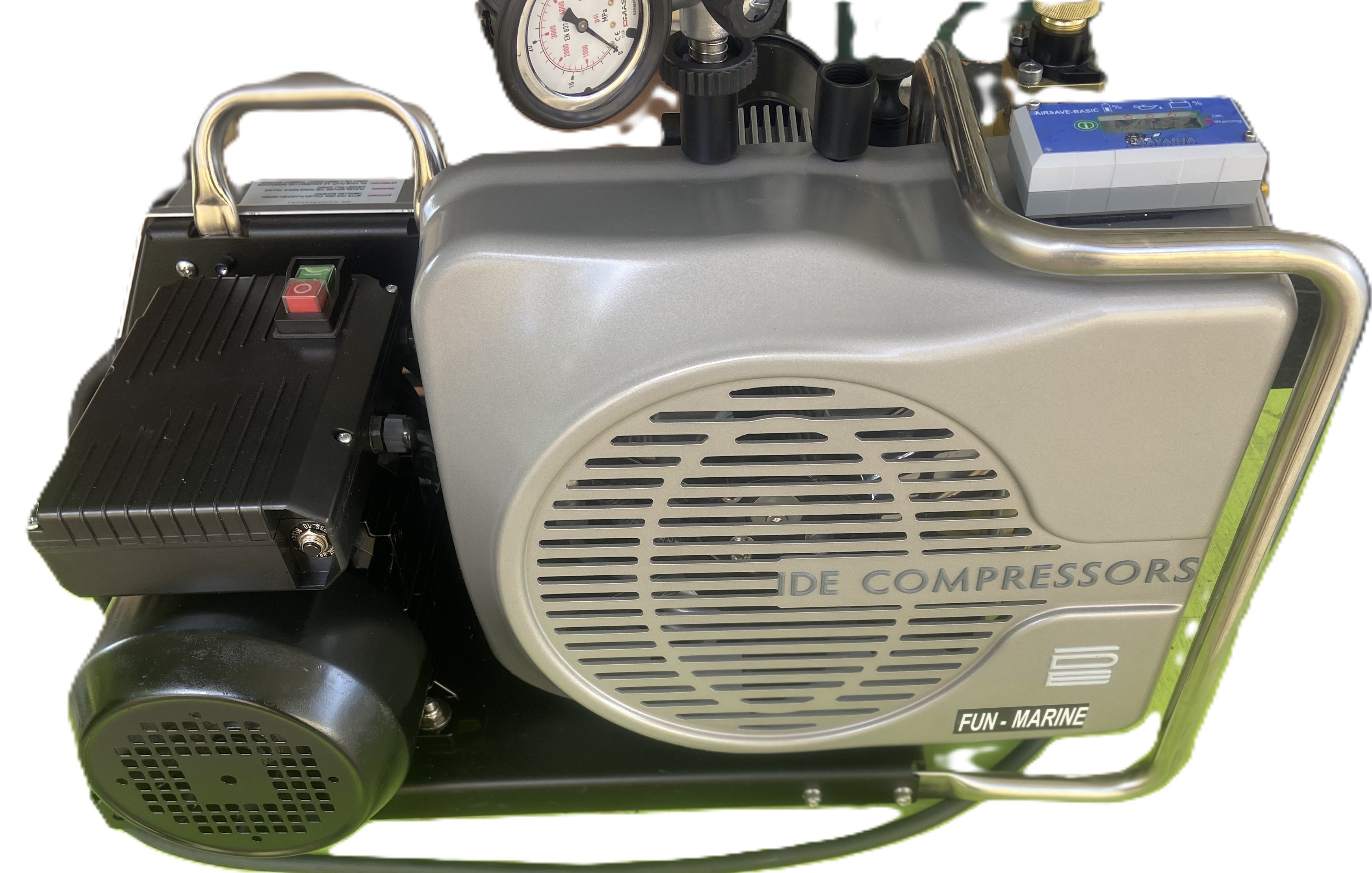
Understanding the standards for breathing air is crucial for ensuring safety. Let’s delve into three key standards that you need to know.
Understanding AS/NZS 2299.1
This standard is vital for dive operations, covering requirements for safe diving practices. It’s not just a rule; it protects you and your team. It ensures that breathing air is free from harmful contaminants, which can cause serious health issues. Regular updates ensure the standard stays relevant to new diving practices and technologies. Remember, adhering to AS/NZS 2299.1 isn’t just about compliance; it’s about ensuring every dive is safe and enjoyable.
Exploring AS/NZS 1715
AS/NZS 1715 focuses on the selection and use of respiratory protective devices. This applies to various industries, not just diving. Its guidelines help you choose the right equipment for your specific needs, ensuring it provides adequate protection. It also outlines maintenance procedures to keep your gear in top condition. Following this standard means your equipment will be ready whenever you need it, reducing downtime and risks associated with faulty equipment.
The Role of EN 12021
EN 12021 sets the standard for compressed air quality. It’s crucial in both diving and industrial applications. This standard dictates limits on contaminants like carbon monoxide, carbon dioxide, and oil vapour. By adhering to EN 12021, you ensure that every breath is clean and safe. Regular testing and maintenance are essential to meet these standards, protecting users from potential health hazards. Keep this at the forefront when planning your air quality protocols.
Testing and Documentation Essentials
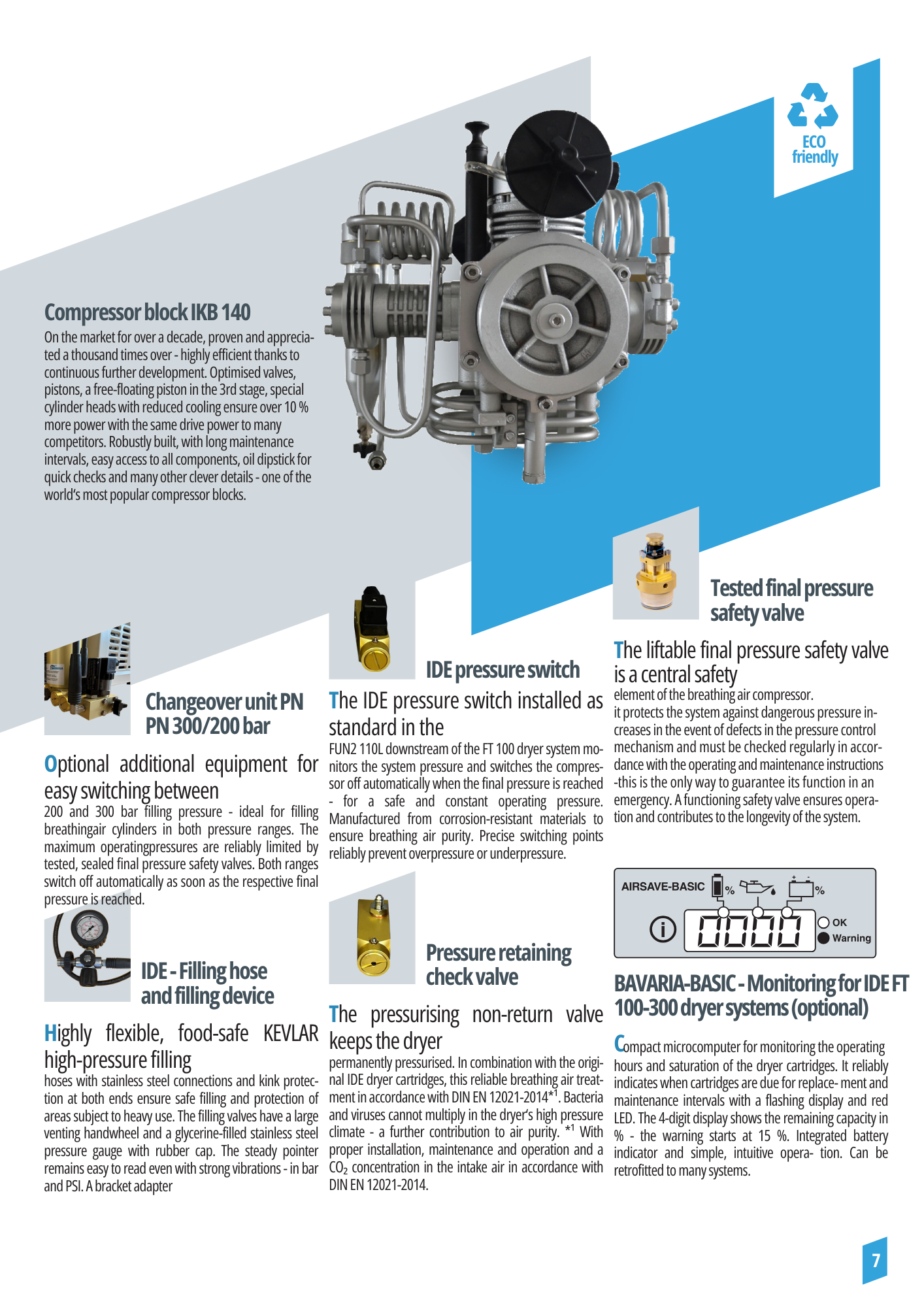
Testing and documentation play a pivotal role in maintaining safety standards. They ensure that every piece of equipment meets the necessary requirements.
Air Quality Testing for Compressors
Regular air quality testing is essential to ensure your compressors deliver safe breathing air. Tests should check for contaminants like oil vapour and carbon monoxide. By scheduling regular tests, you can catch problems early and prevent potential hazards. Remember, consistent testing can save lives by ensuring every breath is pure and safe. It’s not just about passing inspection; it’s about protecting your team.
Importance of Carbon Monoxide Monitoring
Carbon monoxide is a silent threat. Monitoring its levels in your breathing air supplies is critical. With the right equipment, you can detect and address even small leaks before they become dangerous. Investing in reliable monitoring tools means you’re always a step ahead, ensuring safety for everyone who relies on your equipment. Most people overlook this, but it’s an essential part of maintaining a safe environment.
Keeping Track of Dew Point for Breathing Air
Monitoring the dew point is crucial to prevent moisture in your air supply. Moisture can lead to equipment corrosion and respiratory issues. By keeping a close eye on the dew point, you ensure your compressors function optimally and deliver dry, safe air. Use sensors to track this regularly, helping you maintain high safety standards. Your equipment and team will thank you for it.
Ensuring Compliance with Safety Stop
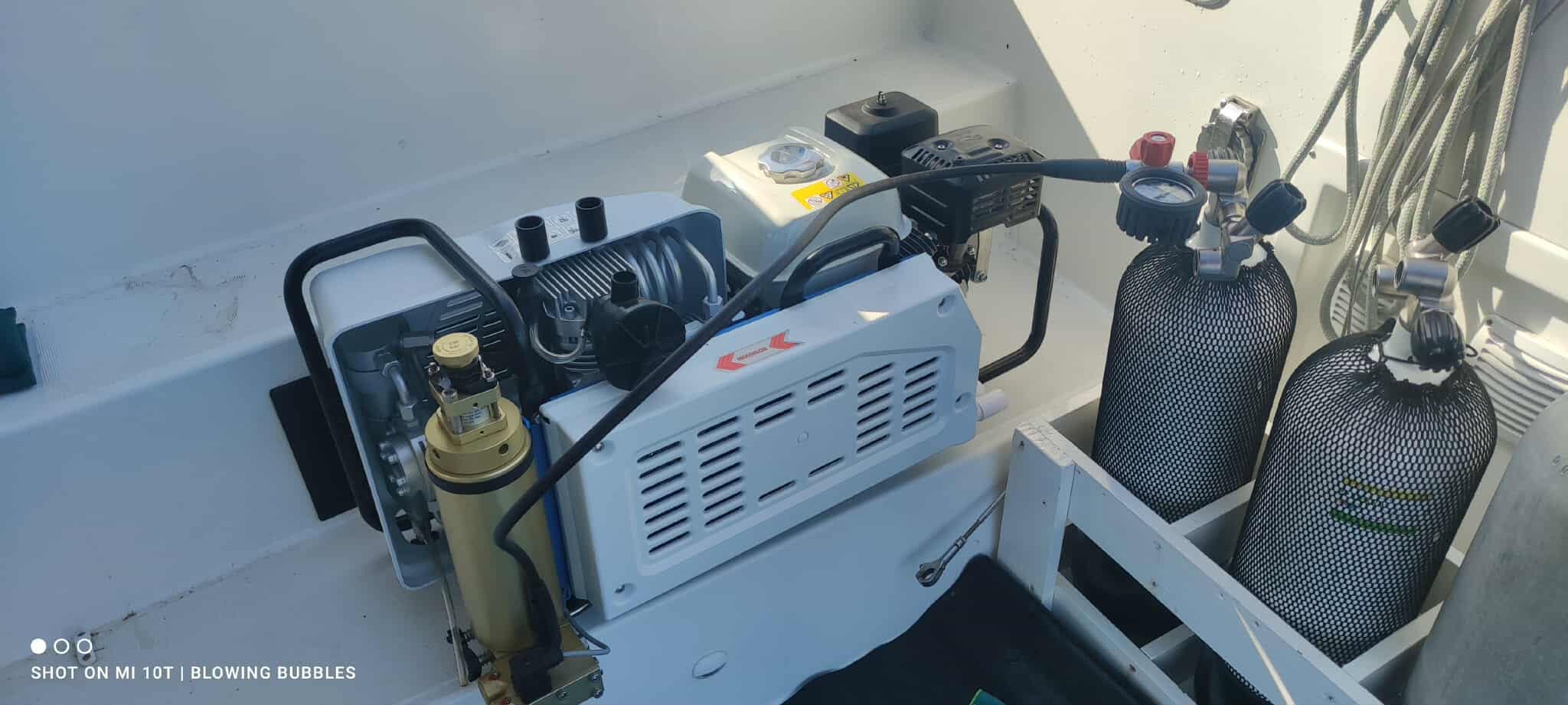
Safety Stop offers solutions that make compliance easy. With IDE compressors and thorough servicing, you can focus on what matters most.
Benefits of IDE Compressors
IDE compressors are known for their precision engineering. These machines provide reliable performance, ensuring clean air every time. They are designed with innovative features that simplify maintenance and operation. Choosing IDE means choosing peace of mind, knowing your air supply meets all necessary standards. Plus, with local support, you get the help you need when you need it.
Comprehensive Compressor Servicing Australia
Regular servicing keeps your compressors in top shape. Our team offers comprehensive maintenance packages, ensuring everything runs smoothly. From routine checks to emergency repairs, we’ve got you covered. Staying ahead with maintenance means fewer breakdowns and more uptime. For businesses, this translates to uninterrupted operations and enhanced safety.
Supporting Fill Station Safety Australia
Fill station safety is paramount. Proper setup and regular checks prevent accidents and ensure smooth operations. We provide expert guidance on maintaining safe and efficient fill stations. Whether it’s training your team or supplying the best equipment, we’re here to support you. Remember, a safe fill station is a productive one, and we’re committed to helping you achieve that.
By understanding and implementing these standards and practices, you ensure a safer environment for all users, whether in diving, emergency services, or industrial applications.