
Condensate drains in breathing air compressors: small component, big safety outcome
Condensate in your breathing air compressor might seem like a minor nuisance, but letting it build up can threaten air quality and damage critical equipment. Knowing how to manage your condensate drain—whether manual or automatic—keeps your compressor running safely and extends filter cartridge life. In this guide, you’ll learn how to set, service, and document drain cycles to meet EN 12021 air quality standards and maintain reliable compressor safety every time.
Understanding Condensate in Compressors
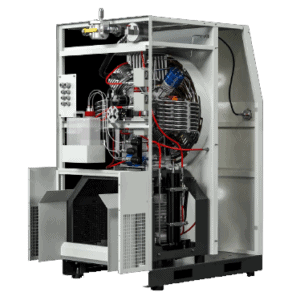
Condensate in compressors can be more than just an inconvenience. Managing it effectively is key to ensuring the longevity and safety of your equipment.
What is Condensate?
Condensate forms when moisture in the air cools and condenses inside your compressor. This can lead to water build-up within the system. Imagine a hot day, and your cold drink starts to sweat. That’s condensation. In your compressor, it’s a mix of water, oil, and other impurities. Left unchecked, this mix can cause corrosion and damage parts over time. It can also compromise air quality, leading to safety concerns. Regular draining helps prevent these issues by removing this unwanted moisture.
Why Controlled Draining Matters
You’ll find that controlled draining is crucial for maintaining system integrity. Without it, moisture can accumulate, leading to rust and other damages inside your compressor. Think of it like a sponge soaking up water. If you don’t squeeze it out, it stays waterlogged and becomes less effective. Controlled draining ensures your compressor runs smoothly by expelling this unwanted moisture before it becomes a problem. It’s about keeping the system dry and efficient.
Protecting Air Quality and Equipment
Clean air is more than a requirement; it’s a responsibility. When you manage condensate properly, you protect both your air quality and your equipment. Imagine breathing through a straw with a pebble in it; not ideal, right? Similarly, clean air pathways prevent blockages and ensure optimal airflow. By keeping condensate levels in check, you protect vital equipment from corrosion and maintain high air quality standards, safeguarding both the machine and the operator.
Manual vs Automatic Drain Systems
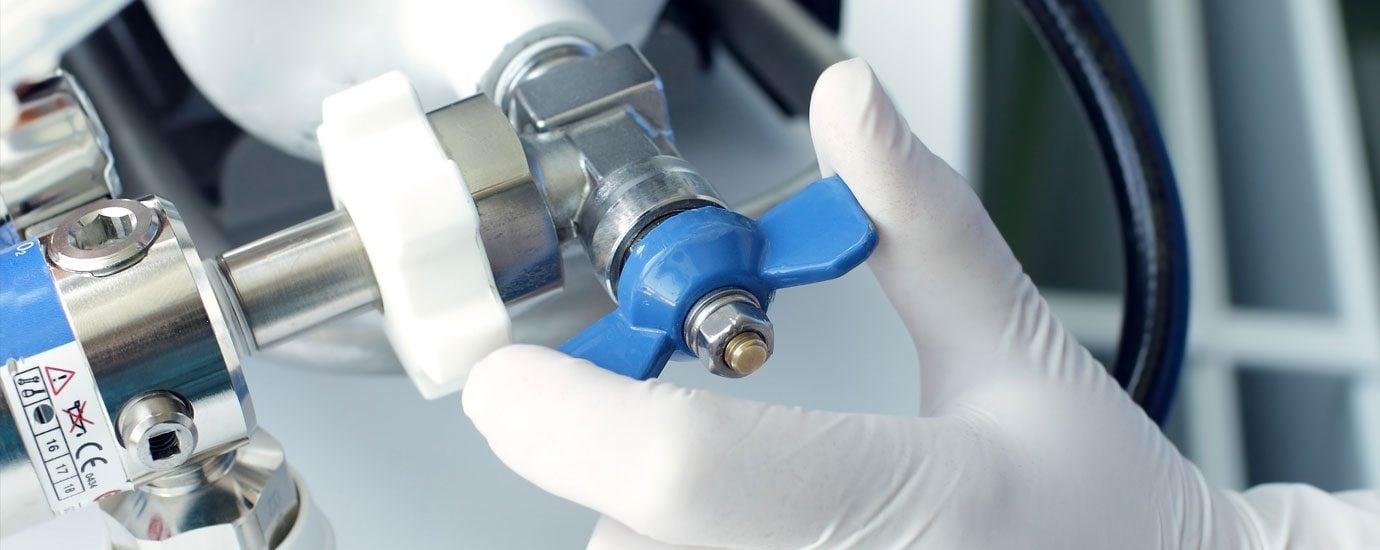
Choosing between manual and automatic drain systems can make a big difference in how you manage condensate. Understanding the distinctions helps you make informed decisions.
Comparing Manual and Automatic Drains
Manual drains require you to open a valve to release condensate, much like turning a tap. They’re straightforward and cost-effective but demand regular attention. On the other hand, automatic systems handle draining on their own, activating at set intervals. Think of it as setting a timer on your coffee maker: once programmed, it runs itself. Automatic drains save time and reduce the risk of forgetting a manual drain, which can lead to accumulation and potential damage.
Choosing the Right Drain for Your Needs
Your choice between manual and automatic should reflect your specific needs and environment. If your operations are small-scale or infrequent, a manual drain could be sufficient. However, for high-pressure compressors or environments where constant monitoring is challenging, an automatic system might be better. Consider your availability, the frequency of use, and potential risks of not draining promptly. Automatic drains offer peace of mind, ensuring consistent management without constant oversight.
Benefits of Automatic Drains in Marine Environments
Marine environments pose unique challenges, making automatic drains particularly beneficial. Saltwater and humidity increase the risk of corrosion. Automatic drains help mitigate these risks by ensuring regular condensate removal. Picture being on a boat: you want systems that handle themselves while you focus on navigation. Automatic drains offer that reliability, maintaining equipment integrity and air quality even when conditions are tough. They’re essential for anyone operating in such demanding settings.
Setting and Maintaining Drain Cycles
Managing drain cycles is about timing and consistency. Doing this well keeps your compressor safe and compliant with air quality standards.
Importance of Drain Cycle Timing
Timing your drain cycles correctly prevents moisture build-up. If you drain too infrequently, you risk corrosion and air quality issues. Too often, and you might be wasting resources. Think of it as watering a plant: too little, it wilts; too much, it drowns. The ideal timing balances these needs, keeping air pathways clear and equipment healthy. Regularly scheduled cycles mean you won’t have to guess or remember—your system stays consistent and reliable.
Servicing and Documenting Drain Systems
Regular servicing and documentation of your drain systems are crucial. Like keeping a vehicle’s service history, this helps track performance and predict maintenance needs. Documenting each service ensures you stay compliant and identify patterns or recurring issues. By keeping detailed records, you build a clear picture of system health, allowing for timely interventions and avoiding unexpected downtimes. It’s about creating a maintenance routine that supports durability and safety.
Ensuring Compliance and Safety
Compliance with EN 12021 air quality standards isn’t just about meeting regulations; it’s about ensuring safe, breathable air. Proper management of your condensate and drain cycles ensures you meet these standards. Regular checks and maintenance provide reassurance that your system is functioning as it should, protecting both equipment and personnel. In essence, maintaining compliance is about responsibility and peace of mind—knowing you’re providing the safest possible environment for everyone relying on your compressors.
By understanding and managing your condensate systems effectively, you not only extend the life of your equipment but also ensure the safety of everyone who depends on it.