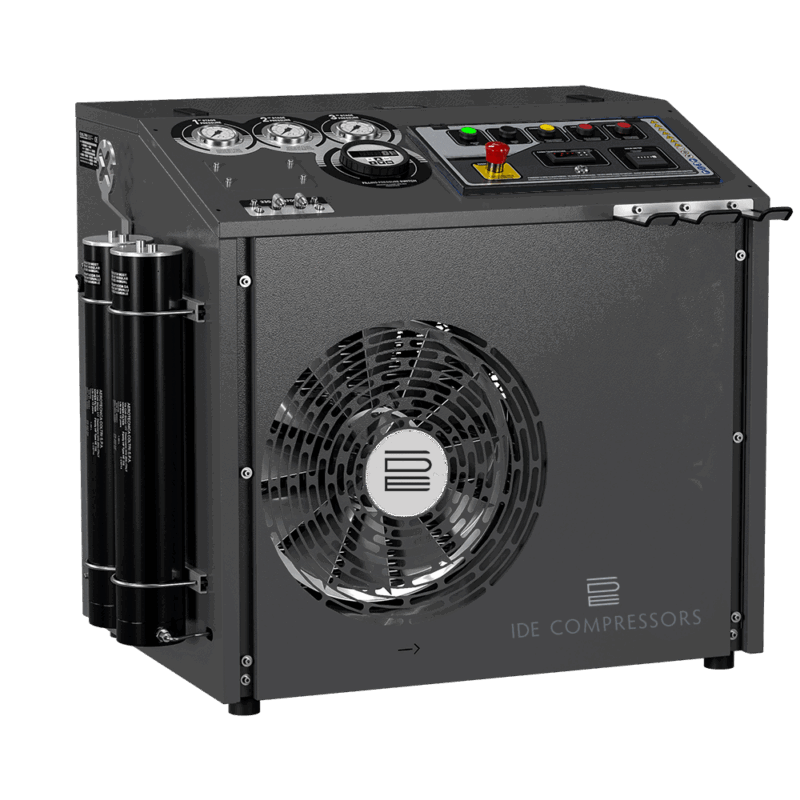
Emerging Trends in Breathing Air Compressor Safety: Smart Monitoring Built for Australian Conditions
Breathing air compressor safety is evolving fast, especially for operators working in Australia’s tough conditions. You rely on your equipment to deliver clean, compliant air every time, with no surprises. This post outlines the latest safety features and smart monitoring systems designed for IDE compressors that keep dive centres, marine crews, and emergency teams confidently covered—meeting EN 12021 and AS/NZS 2299.1 standards without added hassle. For more insights on air compressor technology advancements, check out this link.
Smart Monitoring in Australian Conditions
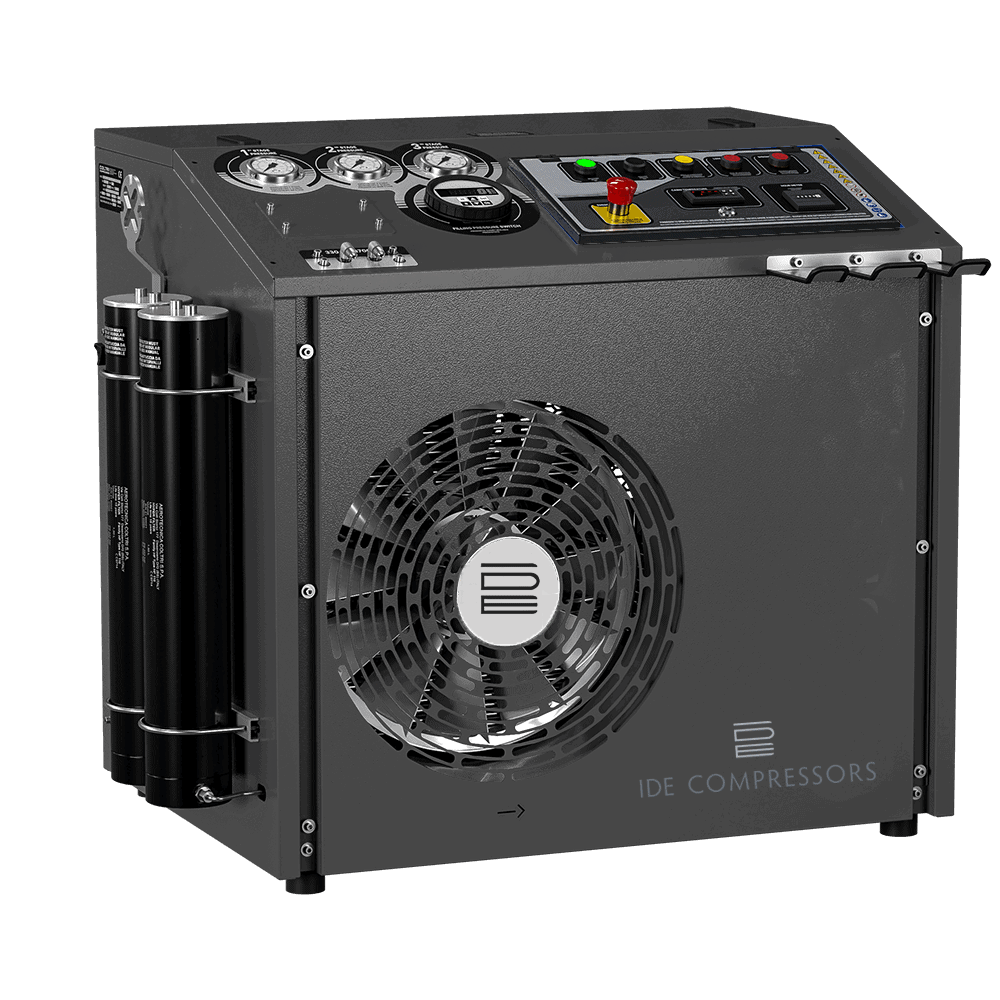
In the world of air compressors, staying ahead means embracing technology that works in any environment. Let’s explore how smart monitoring is making a difference in Australia, ensuring safety and reliability in diverse settings.
Enhancements in Scuba Compressor Safety
Scuba diving safety starts with the quality of the air you breathe. Modern compressors come equipped with cutting-edge systems that monitor and maintain air purity, eliminating risks associated with contaminants. Features like real-time monitoring ensure that every fill remains safe. This means you can focus on the dive, knowing your equipment has your back. Dive centres and operators rely on these advancements to maintain their reputation and ensure customer trust. By integrating these technologies, you’re not just following standards; you’re setting them.
CO Monitoring for Safe Diving
Carbon monoxide is a silent threat underwater. New compressors feature CO monitoring systems that detect and alert you to any presence of this dangerous gas. This proactive technology prevents potential hazards before they affect divers. The importance of this cannot be overstated: CO detection is a crucial aspect of maintaining trust and ensuring the safety of your dive operations. With these systems, you can dive with peace of mind, knowing your equipment is actively working to keep you safe.
Remote Telemetry and Predictive Maintenance
Imagine a system that not only tells you when maintenance is due but predicts potential issues before they arise. With remote telemetry, you can monitor compressor performance from anywhere. This technology uses data to anticipate problems, reducing downtime and increasing efficiency. Predictive maintenance ensures your equipment is always ready for action, saving you time and money. For more on emerging trends in the compressed air industry, take a look at this article.
Key Features of IDE Compressors
IDE Compressors are packed with features designed to enhance performance and ensure safety. Let’s dive into what makes them stand out in the industry.
Automatic Condensate Drain Systems
Condensate can be a nuisance, but not with IDE Compressors. These systems automatically manage moisture, keeping your compressor running smoothly. By preventing water build-up, they enhance the longevity and reliability of your equipment. This feature is crucial in humid environments, ensuring your compressor remains in top condition with minimal effort on your part. It’s one less thing to worry about, allowing you to focus on what truly matters: the task at hand.
Interstage Temperature Sensors
Temperature management is vital for compressor efficiency. Interstage temperature sensors monitor heat levels, ensuring optimal performance. By maintaining the right temperature, these sensors prevent overheating, prolonging the life of your compressor. This technology is essential for operators who demand reliability and consistency in their equipment. With accurate temperature monitoring, your compressor operates smoothly even under tough conditions, enhancing both safety and efficiency.
Compliance with EN 12021 and AS/NZS 2299.1
Compliance ensures your operations meet international safety standards. IDE Compressors are crafted to align perfectly with EN 12021 and AS/NZS 2299.1, providing you with peace of mind. This compliance means your equipment is ready for any challenge, meeting the stringent requirements of dive centres and industrial users alike. It’s not just about meeting standards; it’s about exceeding expectations and ensuring safety at every turn.
Practical Guidance for Operators
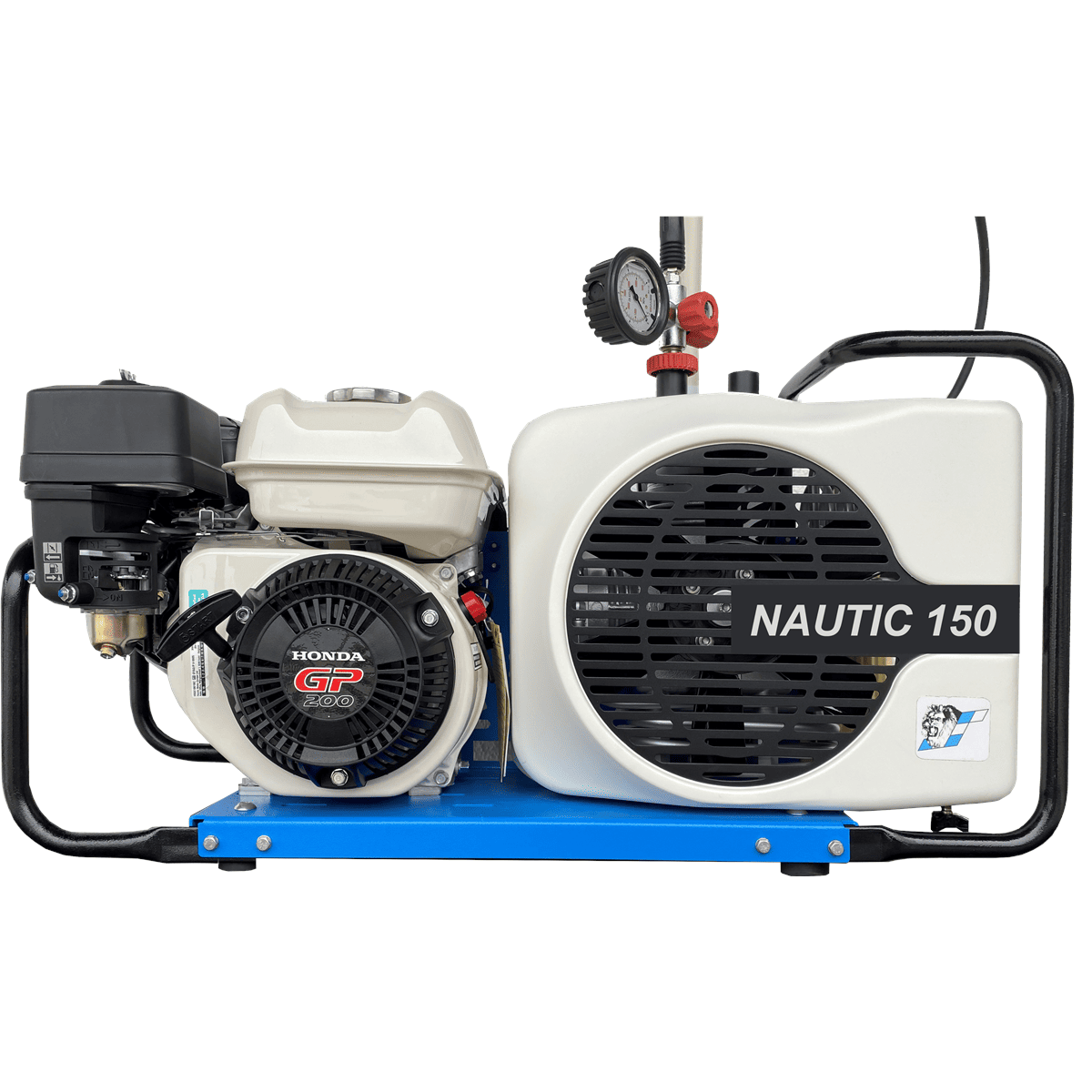
Navigating the world of compressors can be daunting. Here’s your guide to making informed decisions about your equipment, ensuring compliance, and enjoying long-term support.
Upgrading to a Portable Breathing Air Compressor
Thinking about upgrading? Portable compressors offer unmatched flexibility. They allow you to operate in various locations, adapting to your needs. When upgrading, consider factors like power source, mobility, and capacity. A portable system can be a game-changer, especially for remote operations or mobile fill stations. For insights into the future of air compressor technology, explore this resource.
Conducting a Compliance Audit
Ensure your operations meet all necessary standards with a compliance audit. Regular audits help you identify gaps and address them proactively. This process involves checking your equipment against EN 12021 and AS/NZS 2299.1 standards, ensuring you remain compliant and avoid potential issues. By conducting audits, you demonstrate a commitment to safety and operational excellence, reinforcing trust with your clients and stakeholders.
Service and Parts Support with a 5-Year Warranty
When you invest in an IDE Compressor, you’re not just buying equipment; you’re securing long-term support. With a 5-year warranty, you’re assured of parts and service whenever you need them. This warranty provides peace of mind, knowing that help is just a call away. It’s a testament to the quality and reliability that IDE Compressors offer, ensuring your operations run smoothly for years to come.
In conclusion, staying informed and equipped with the right tools is essential for safe and efficient operations. By embracing these technologies and practices, you’re not only complying with standards but setting a benchmark for others to follow.