Five Common Compressor Maintenance Mistakes to Avoid for Safe Diving
Most compressor problems start with small oversights in maintenance that grow into big risks. If you rely on scuba diving compressors or IDE compressors for breathing air solutions, skipping key upkeep steps puts safety and gear longevity on the line. In this post, you’ll learn the five common compressor maintenance mistakes that can cost you — and how to avoid them to keep your dive equipment servicing running smoothly and safely.
Common Compressor Mistakes
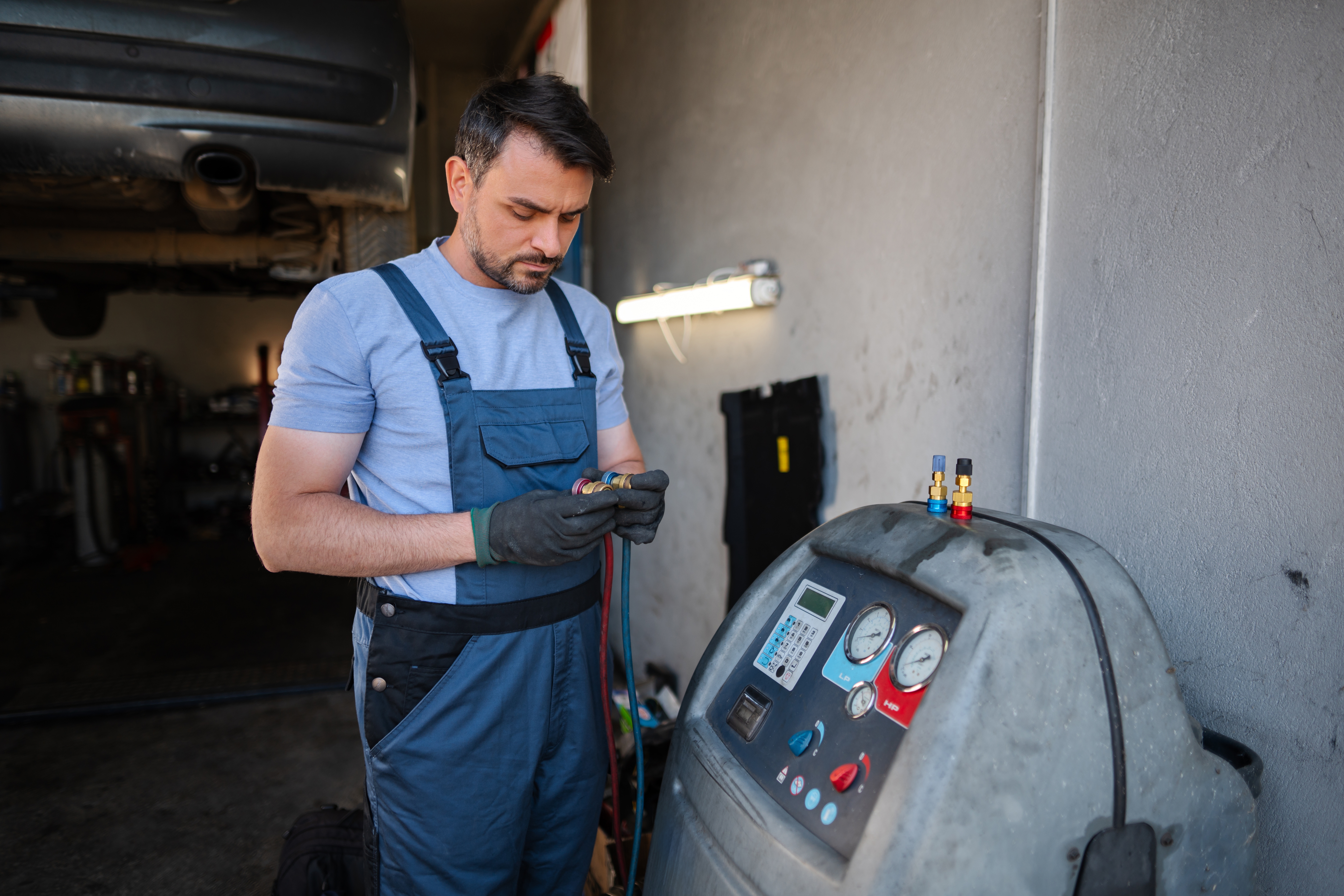
In the world of diving, maintaining your equipment isn’t just a routine task—it’s a lifeline. Overlooking crucial maintenance steps can lead to serious consequences.
Neglecting Regular Servicing
Missing regular servicing appointments for your compressors can lead to unforeseen breakdowns. Just like your car, compressors need consistent attention to function properly.
-
Routine Care: Scheduling regular check-ups helps identify small issues before they escalate. This proactive approach saves you from costly repairs and ensures a consistent flow of clean air.
-
Record Keeping: Keeping a detailed log of all maintenance activities allows you to track the health of your compressor over time. It also aids technicians in diagnosing problems quickly.
Most people assume that if the compressor runs, it’s fine. But neglect can lead to decreased performance and efficiency. Don’t let small tasks slide—they’re your first line of defense against bigger problems. Read more about this here.
Overlooking Filter Changes
Filters are the unsung heroes in compressor systems. They remove impurities from the air, ensuring your breathing air remains safe.
-
Schedule Changes: Regularly change filters based on the manufacturer’s guidelines. This habit prevents contamination and extends the lifespan of your compressor.
-
Signs of Wear: Watch for signs like increased pressure drop or reduced airflow, which may indicate a clogged filter. Addressing these signs promptly keeps your system in top shape.
Some think filters can last indefinitely, but ignoring them risks air quality and equipment damage. Stay vigilant with filter maintenance to avoid these pitfalls.
Safety Risks in Diving

Ignoring maintenance doesn’t just affect equipment—it impacts your safety. Dive deeper into the potential risks and learn how to protect yourself.
Contaminated Air Hazards
Contaminated air is a silent threat in diving. Breathing impure air can lead to serious health issues, including respiratory problems.
-
Quality Checks: Regular air quality testing ensures your air supply meets safety standards. This step is crucial in preventing exposure to harmful contaminants.
-
Proper Ventilation: Ensure your compressor setup has adequate ventilation. This reduces the risk of air contamination and keeps the system running efficiently.
Most divers underestimate the importance of air quality management. Remember, clean air is your lifeline underwater. Discover more about air safety.
Equipment Failure Dangers
Equipment failure can ruin a dive and endanger lives. Proper maintenance significantly reduces the risk of unexpected breakdowns.
-
Inspection Protocols: Implement thorough pre-dive and post-dive inspections to catch potential issues early. Addressing them promptly can prevent accidents.
-
Backup Systems: Always have a contingency plan. Backup systems or spare parts can be lifesavers in emergencies.
The longer you wait to address equipment issues, the greater the risk of failure. Prioritise regular checks to ensure peace of mind during every dive.
Maintenance Best Practices
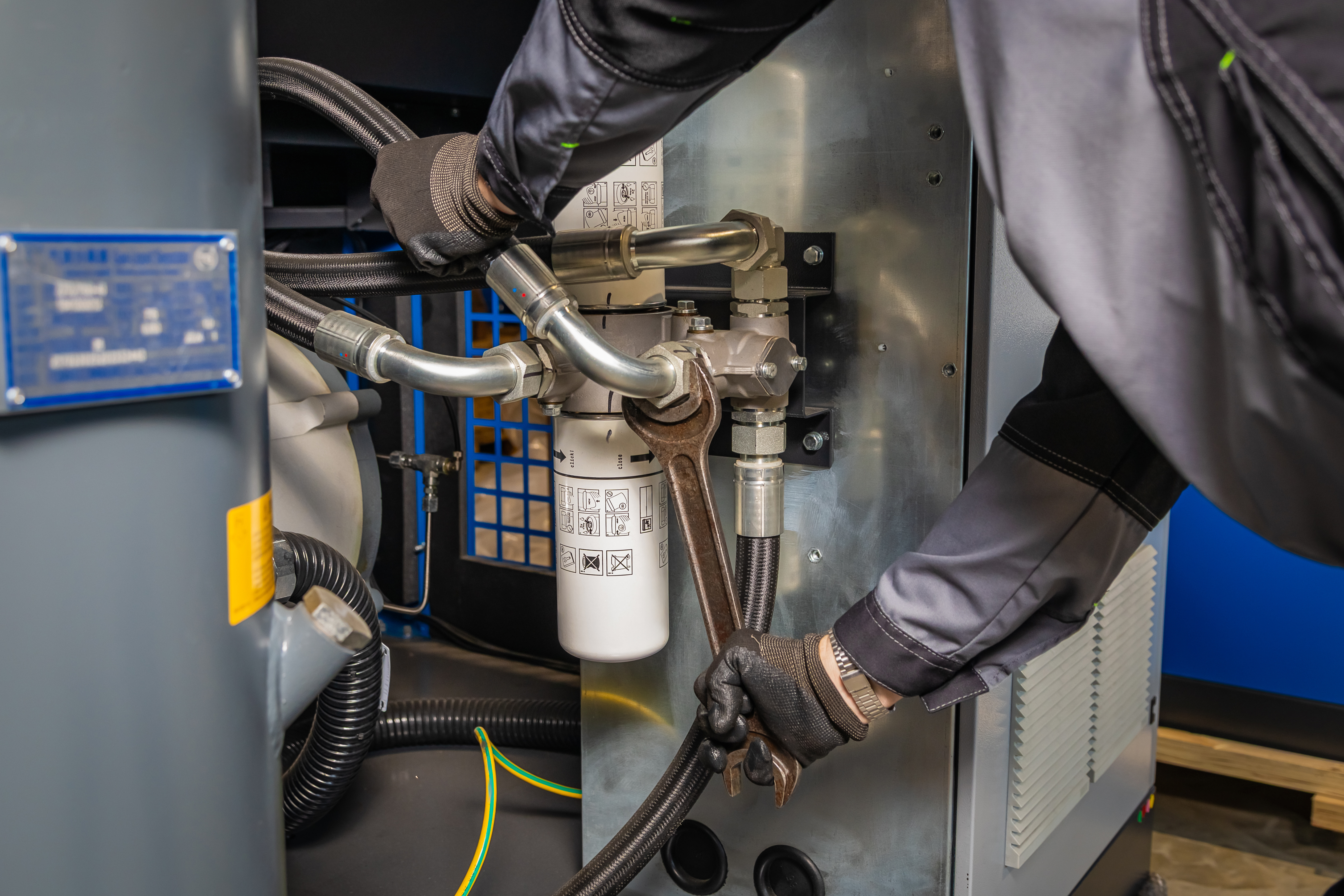
Embracing best practices in compressor maintenance not only enhances safety but also extends equipment life.
Routine Inspections and Checks
Routine inspections are the backbone of effective maintenance. They ensure all components function as expected, reducing the likelihood of unexpected failures.
-
Visual Checks: Regularly inspect hoses, seals, and moving parts for signs of wear or damage. Early detection of issues prevents more extensive repairs.
-
Performance Monitoring: Keep an eye on performance metrics such as pressure levels and output. Deviations from normal levels can indicate underlying problems.
Most think routine checks are tedious, but they’re crucial for long-term system health. Here’s the key insight: consistent care saves time and costs in the long run. Learn more about maintenance practices.
Partnering with Professionals 🌊
Partnering with experienced professionals ensures your equipment receives the best care possible. Experts have the knowledge to address complex issues and provide tailored solutions.
-
Professional Servicing: Engage certified technicians for comprehensive servicing. Their expertise helps maintain optimal performance and safety standards.
-
Training and Support: Regular training sessions for your team can enhance in-house maintenance skills, reducing reliance on external support.
Most dive operators handle maintenance alone, but partnering with experts enhances safety and efficiency. Remember, investing in professional support is an investment in your peace of mind. Explore professional services.
By avoiding these common mistakes and following best practices, you ensure your dive equipment remains reliable and safe. Prioritize maintenance to enjoy worry-free dives and extend the life of your systems.