
Ventilation is a performance part: how airflow shapes compressor output, air quality, and service life
Compressor ventilation is often overlooked, yet it directly impacts your compressor’s output, air quality, and lifespan. Without proper airflow, heat builds up, filters clog faster, and performance drops when you need it most. In this post, you’ll learn practical tips on compressor intake placement, heat removal, and corrosion control to keep your system running reliably in tough Australian conditions. For more information, you can visit this link.
The Importance of Compressor Ventilation
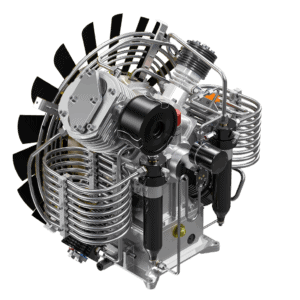
Proper ventilation is not just a supporting feature; it’s a critical component in ensuring your compressor performs at its best. Let’s delve into how airflow can make a real difference to your compressor’s performance and longevity.
Boosting Compressor Performance
Airflow is the lifeblood of your compressor. When air moves freely, your compressor runs cooler, which is key to maintaining peak performance. Overheating can lead to decreased power output, so keeping your system cool is essential. The right ventilation setup can prevent these issues, ensuring you get the most out of your equipment.
Consider how heat affects your car’s engine. Just like a car, your compressor needs the right temperature to function efficiently. By managing airflow, you can help your compressor maintain its optimal working conditions. For example, placing your compressor in a well-ventilated area can reduce temperature spikes, safeguarding the machinery from heat-related stress.
Enhancing Filter Life
Keeping your filters in good shape is crucial for maintaining air quality and prolonging their lifespan. Proper ventilation reduces the risk of clogging by minimising dust and debris accumulation. This means your filters work more effectively for longer periods, saving you time and money on replacements.
Think of your filters as the lungs of your compressor. They need fresh air to function without straining. When ventilation is optimal, filters don’t have to work as hard, leading to fewer replacements and better air quality. This is particularly important in environments where clean air is non-negotiable, such as dive operations and emergency services.
Ensuring Energy Efficiency
Ventilation plays a pivotal role in energy consumption too. A well-ventilated compressor operates more efficiently, using less power to achieve the same output. This not only saves on electricity bills but also reduces wear and tear, extending the life of the machine.
Imagine your compressor as an athlete. With the right conditions, it performs better and uses energy more efficiently. By ensuring proper airflow, you can keep your compressor running smoothly and economically. This is especially important in large-scale operations where energy efficiency directly impacts operational costs.
Practical Ventilation Planning Tips
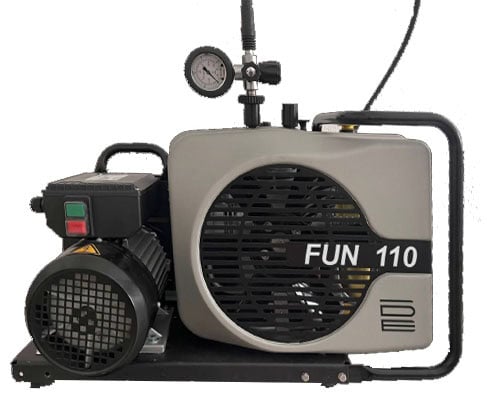
Understanding why ventilation matters is the first step. Next, we’ll explore practical tips to optimise your compressor’s ventilation system.
Compressor Intake Placement
Where you position your compressor intake makes a big difference. Ideally, the intake should be in a location with clean, cool air to minimise contamination and optimise performance. Avoid placing it near exhaust vents or other sources of pollution.
Consider a scenario where intakes are positioned poorly. This can lead to increased dirt and dust entering the system, causing blockages and reducing efficiency. By placing the intake away from these hazards, you safeguard the system’s integrity. For more insights on compressor placement, check this article.
Managing Heat Removal
Removing excess heat is crucial to maintaining your compressor’s efficiency. Use fans and ventilation ducts to help dissipate heat and keep temperatures stable. This is particularly vital in hot climates where heat can quickly become an issue.
Think of heat management as your compressor’s cooling strategy. By effectively removing heat, you prevent components from overheating, ensuring smooth operation. In high-temperature environments, this becomes even more critical, as outlined in this guide.
Effective Ducting and Fans
Using the right ducting and fan setup can enhance airflow and reduce heat buildup. Ensure ducts are the correct size and free of obstructions to maintain efficient airflow. Fans help circulate air, preventing hotspots.
Imagine your compressor room as a well-managed space where air moves freely. This setup not only cools the compressor but also prevents moisture accumulation, reducing the risk of corrosion. Proper ducting and fan placement are simple yet effective ways to maintain optimal conditions.
Long-Term Reliability in Australian Conditions
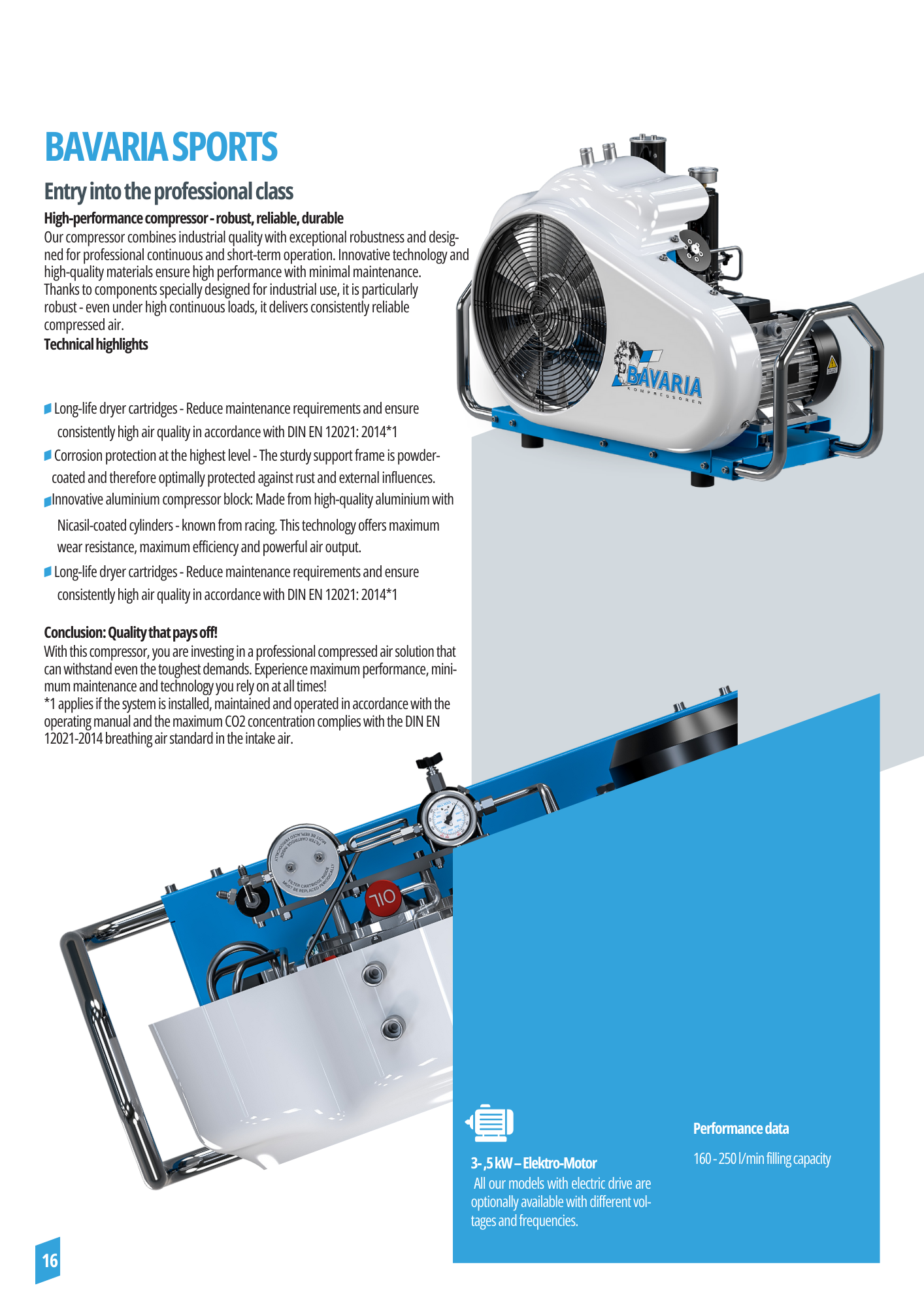
Achieving reliable performance extends beyond initial setup. It’s about planning for the unique challenges of Australian environments.
Combating Salt-Air Corrosion
Salt-air environments pose a unique challenge. Corrosion can rapidly degrade compressor components, leading to costly repairs. Using corrosion-resistant materials and regular maintenance helps combat these effects.
Picture your compressor standing up to the harsh coastal conditions, performing reliably day after day. By choosing the right materials and maintenance routine, you protect against the relentless assault of salt air.
Optimising Noise and Ventilation Louvres
Noise control is not just about comfort. It’s about efficiency too. By optimising louvres for both ventilation and noise reduction, you maintain a pleasant working environment without sacrificing performance.
Consider how noise can affect not only workers but also the efficiency of nearby equipment. Properly designed louvres help manage both aspects, ensuring a harmonious workplace where everything runs smoothly.
Meeting AS/NZS Diving Operations Standards
Compliance with standards is crucial, especially in diving operations. Ensuring your compressor meets AS/NZS standards guarantees safety and reliability, protecting both equipment and personnel.
Think of standards as your safety net. By adhering to them, you ensure your compressor system is up to the task, delivering safe, breathable air every time. It’s about more than compliance; it’s about peace of mind for your team.
In summary, proper compressor ventilation can greatly enhance performance, efficiency, and longevity. By following these guidelines, you prepare your system for the challenges of the Australian environment, ensuring long-term reliability and safety.