
Optimising Breathing Air Compressor Setups for Remote and Mobile Applications (Australia)
Setting up a remote diving compressor isn’t as simple as plugging in and switching on. You need a system that stands up to harsh Australian conditions, delivers EN12021 compliant air, and keeps running day after day without surprises. This guide will walk you through choosing and maintaining a mobile breathing air compressor that fits your operation—whether you’re on a liveaboard, working offshore, or managing a trailer compressor setup—so you can focus on the task, not the gear.
Designing Remote Compressor Setups
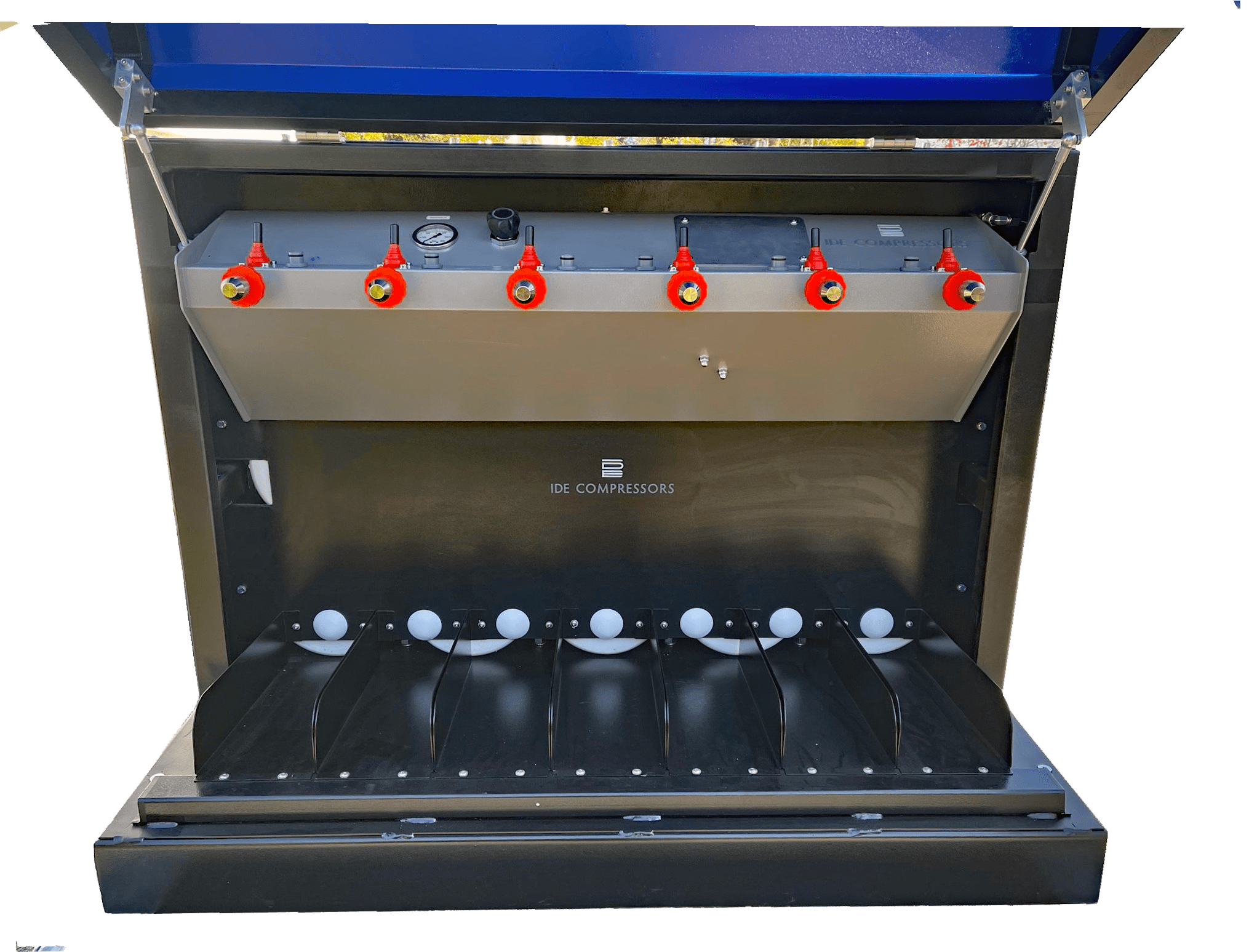
Setting up a compressor system for remote use demands careful planning. It’s not just about picking any compressor; it’s about finding the right fit for your unique needs.
Choosing the Right Compressor
The first step is selecting a compressor suitable for your environment. Mobile breathing air compressors are available in various models, each catering to different applications. For instance, a yacht dive compressor in Australia must withstand salty air and frequent use. When choosing, consider the compressor’s capacity. For most operations, a 232/300 bar HP fill panel suits well. Remember, a poorly chosen compressor can lead to inefficiencies and increased maintenance costs.
Power Options for Remote Use
Powering your compressor remotely poses its own challenges. Depending on your location, generator sizing for compressors becomes crucial. If you’re using a petrol vs diesel dive compressor, each has its pros and cons. Petrol engines are generally quieter but less fuel-efficient compared to diesel. Diesel engines, while costlier, offer better reliability over long durations, especially in remote areas with limited access to fuel.
Intake and Filtration Considerations
Proper intake and filtration are vital in maintaining Grade E breathing air. It’s essential to have a robust intake system that prevents contaminants from entering. Consider using filter cartridges and hopcalite. These ensure the removal of impurities, providing clean air every time. Also, the priority valve PMV settings must be adjusted correctly to ensure optimal performance.
Ensuring System Durability
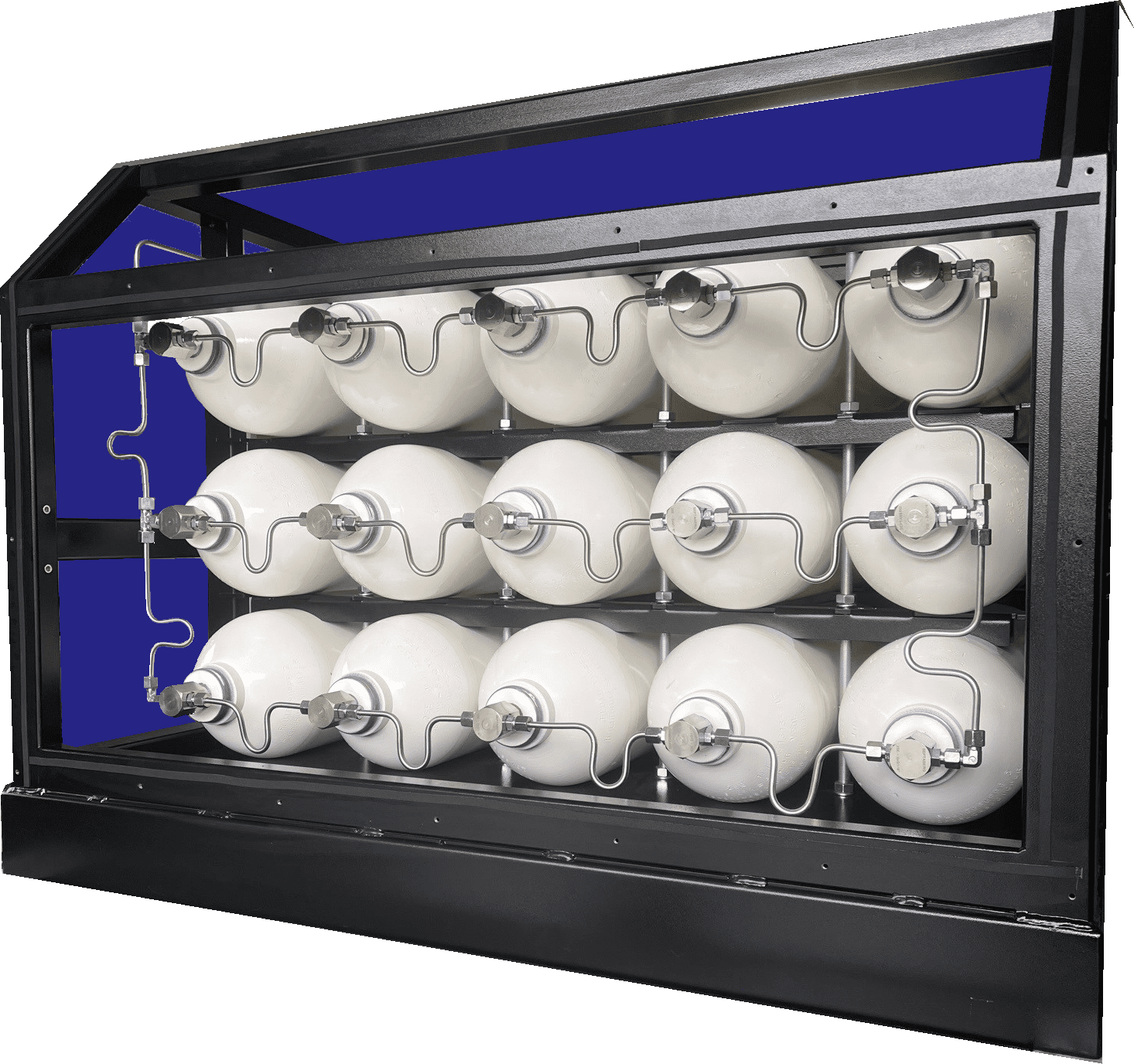
Once your setup is in place, ensuring its durability is your next priority. A durable system reduces downtime and keeps operations smooth.
Cooling and Ventilation Solutions
Cooling for compressors is non-negotiable. Without adequate ventilation for compressor compartments, heat can build up, reducing efficiency and potential damage. Consider natural ventilation or installing exhaust fans to maintain a stable temperature. Regular checks on the ventilation system can prevent unexpected breakdowns.
Corrosion Protection Measures
In harsh marine environments, corrosion is a constant threat. Implementing marine compressor corrosion protection is crucial. Using materials like stainless steel and applying protective coatings can prolong your compressor’s life. Regularly inspect your setup for signs of rust and address these promptly.
Noise and Vibration Control
Noise from compressors can be disruptive. Ensuring your system operates quietly might involve using soundproof casings or positioning the compressor in a secluded area. Also, control vibrations with mounts designed to absorb shocks, which can extend the system’s lifespan and improve comfort for users nearby.
Maintenance and Operational Planning
Consistent maintenance and strategic planning are your best allies in keeping your compressor system reliable.
Maintenance Schedules and Spares
Establishing a maintenance schedule is essential. Regular checks prevent minor issues from escalating. Keep a stock of essential spares so you’re prepared for any unexpected hiccups. Having spare filter cartridges and basic tools on hand can save time and ensure uninterrupted operations.
Safety Controls and Compliance
Safety should never be compromised. Ensure your system complies with all necessary standards, such as EN12021. Include CO monitoring for compressors as part of your setup. This not only ensures air quality but also provides peace of mind knowing your operations are safe and compliant.
Storage and Fill Strategies
Finally, think about how you store and fill your tanks. Using cascade storage banks can streamline your filling process, making it quicker and more efficient. Set up a trailer compressor setup if mobility is a priority. This way, you’re always ready to move and fill wherever needed.
In conclusion, by focusing on these areas, you can develop a compressor setup that is not only efficient but also robust and reliable. Whether you’re operating in a remote location or need a mobile solution, the right planning ensures your system meets every challenge head-on.