
Condensate Drainage Systems: Why They Matter for Safe, Compliant Breathing Air
Condensate in your breathing air compressor isn’t just an annoying drip—it’s a risk to air quality and filter life. Without a reliable condensate drainage system, moisture can sneak past separators and coalescing filters, compromising compliance with EN 12021 breathing air standards and AS/NZS diving regulations. In this guide, you’ll learn how proper drainage protects your compressor’s performance and what options suit Australian diving and marine conditions.
Understanding Condensate Formation
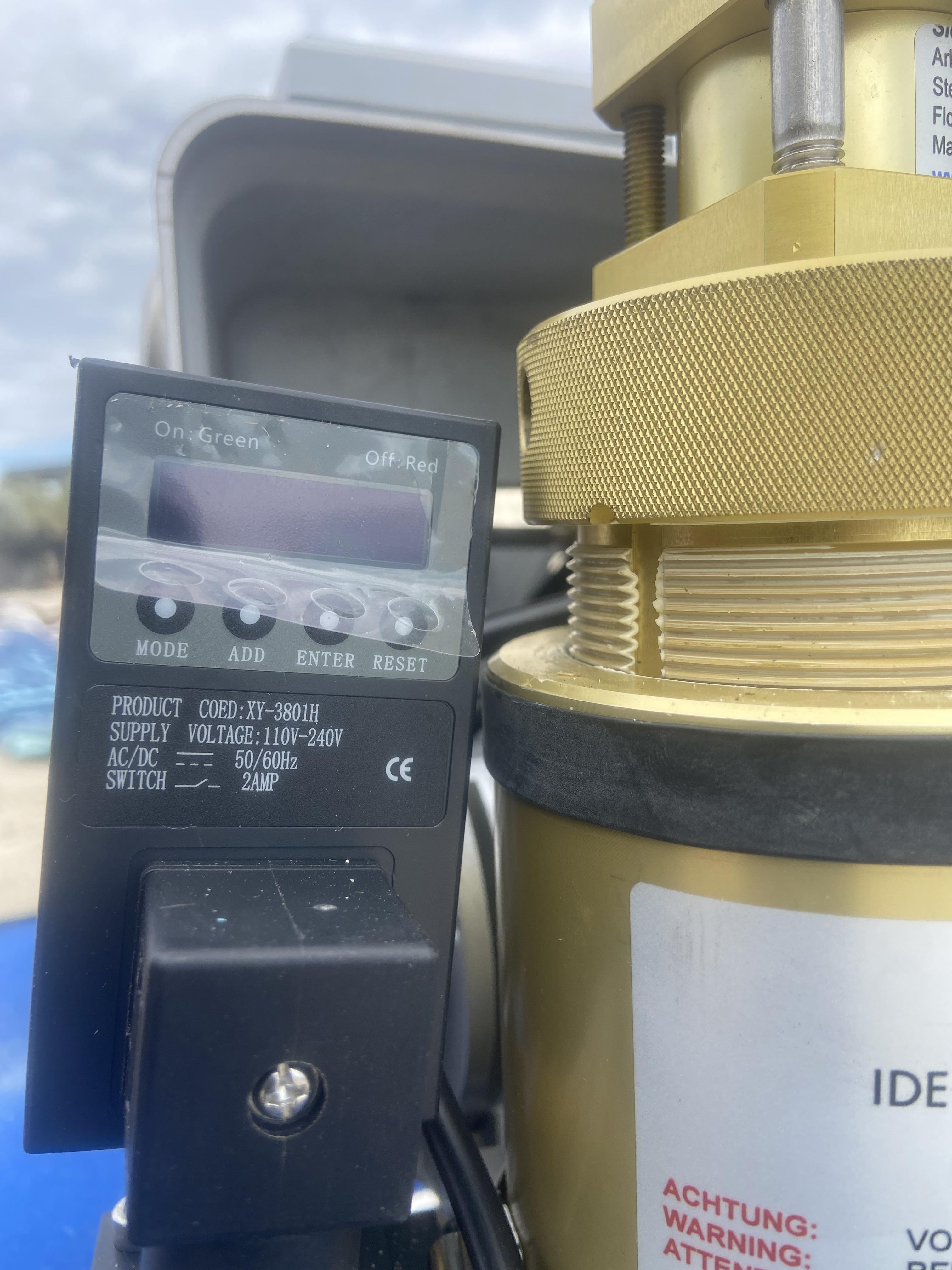
When diving or working offshore, understanding how condensate forms in compressors is crucial.
How Condensate Forms in Compressors
Condensate forms when humid air cools as it passes through the compressor. As the air is compressed, its temperature rises, but once it cools down again, water droplets appear. This happens because the air’s capacity to hold moisture decreases with temperature drops. In Australian climates, varying temperatures can exacerbate this process. A compressor that runs without managing this condensate can cause water buildup, which might damage equipment or disrupt operations.
Impact on Breathing Air Quality
Water in your air compressor not only damages hardware but also affects air quality. Condensate can carry contaminants that compromise the purity of breathing air, failing to meet EN 12021 breathing air standards. This is critical for divers and marine workers, as the presence of moisture could potentially lead to breathing difficulties or equipment failure. Reliable air quality is a must for safety and compliance.
Importance of Moisture Separators
Moisture separators play a vital role in keeping your air compressor dry. These devices work by removing the bulk of water and oil droplets from the compressed air before it reaches filters. This not only preserves filter life but also ensures that the air remains clean and breathable. Including a moisture separator in your system helps maintain optimal performance and compliance with standards, ensuring every breath you take is pure and safe.
Role of Drainage Systems
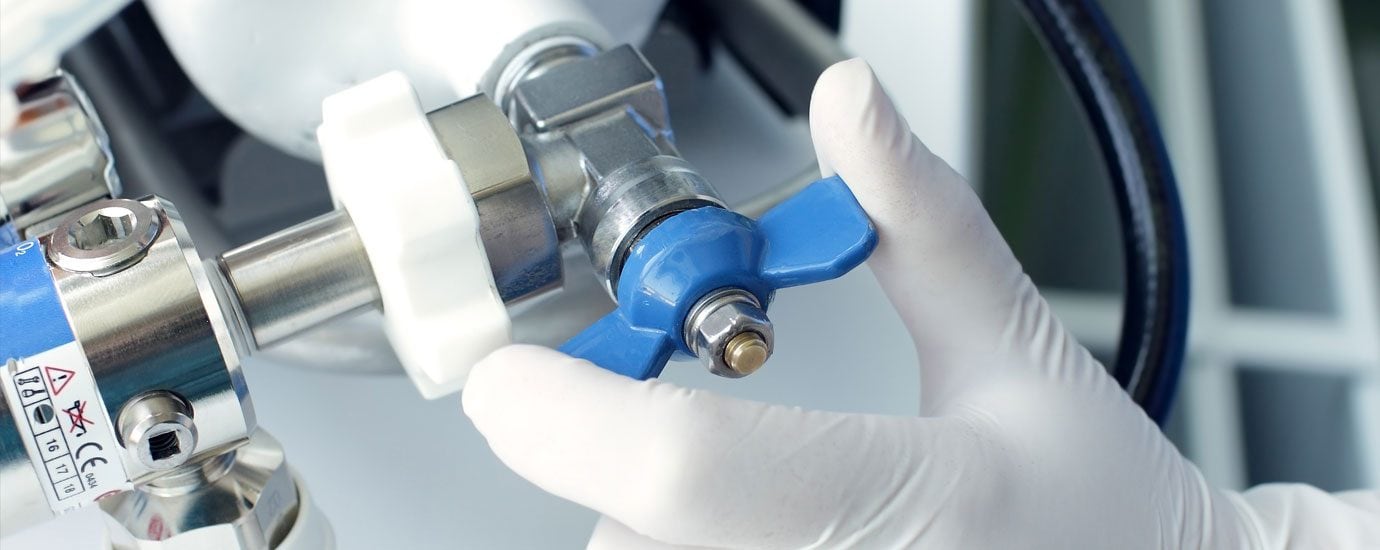
The drainage system is your first line of defence against condensate-related issues, protecting both your equipment and the air quality.
Protecting Filters and Dew Point
Filters are designed to capture impurities, but excess water can reduce their effectiveness. When filters get wet, they can become clogged, leading to increased pressure drop and energy consumption. A well-maintained drainage system helps keep filters dry, thus maintaining their efficiency and extending their lifespan. Moreover, controlling the dew point ensures that water doesn’t condense further downstream, safeguarding the entire system.
Compliance with EN 12021 and AS/NZS Standards
Meeting the stringent requirements of EN 12021 and AS/NZS standards is crucial for any operation involving breathing air. Without a proper drainage system, moisture can bypass your filters, leading to non-compliance. This isn’t just about ticking boxes; it’s about ensuring the safety of everyone who relies on your system. Using the right drainage solutions helps you stay compliant and safe.
Manual vs Automatic Drains
Choosing between manual and automatic condensate drains depends on your specific needs. Manual drains require regular attention and can be less reliable in remote locations. On the other hand, automatic drains offer a set-and-forget solution, automatically removing water without the need for constant monitoring. In Australia’s diverse environments, automatic drains are often preferable for their convenience and reliability.
Practical Drain Solutions
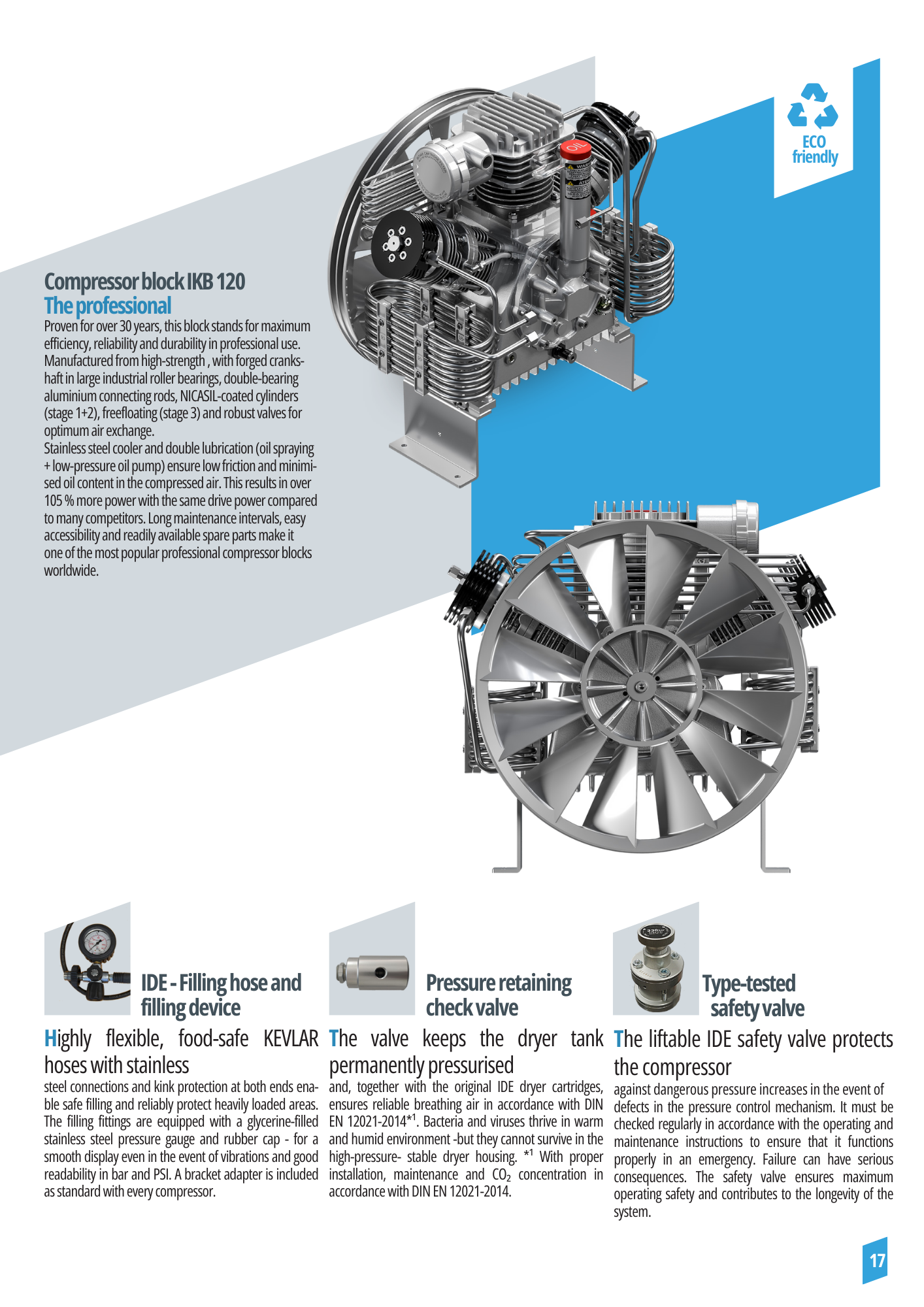
Finding the right drainage solution can make a significant difference in the longevity and performance of your compressor system.
Specifying and Retrofitting Options
When specifying a condensate drainage system, consider your current setup and future needs. Retrofitting existing systems with advanced drainage options can greatly enhance performance. Look for systems that integrate easily with your existing equipment, ensuring seamless operation without significant downtime. Safety Stop Australia offers solutions tailored to Australian conditions, ensuring that your setup is both effective and compliant.
Maintenance for Australian Conditions
Maintaining your drainage system is key to ensuring long-term reliability. Australian conditions can be harsh, so regular checks and maintenance are essential. This includes inspecting drains for blockages and ensuring that all components are functioning correctly. Routine maintenance helps prevent unexpected failures and extends the life of your equipment.
Environmental Disposal and Oil–Water Separation
Disposing of condensate responsibly is not just about compliance; it’s about protecting the environment. Use oil–water separators to ensure that any discharged condensate is free from oil contaminants. Proper disposal methods protect the marine environment and help you adhere to environmental regulations. By implementing these solutions, you show a commitment to sustainability and responsible operation.
Each of these elements plays a critical role in ensuring that your breathing air compressor system is safe, efficient, and compliant. With the right condensate drainage system, you can focus on what you do best, knowing that your equipment won’t let you down.