
Compressor maintenance that stands the test of salt, time and standards
Saltwater, time, and strict standards can wear down even the toughest compressors. When your breathing air compressor service slips, risks to air quality and compliance rise quickly. This guide lays out clear steps to keep your compressor running reliably, meeting AS/NZS 2299.1 compliance and EN 12021 air purity requirements without overcomplication. Whether you run a dive shop, yacht, or mobile fill station, you’ll find practical advice to protect your gear and the air your team depends on. For more on extending the life of your air compressor, check out this guide.
Essential Compressor Maintenance Tips
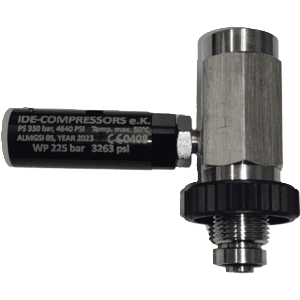
To keep your compressor in peak condition, regular maintenance is key. Let’s start with the basics that ensure your equipment remains reliable and safe to use.
Regular Inspection and Cleaning
Start by inspecting your compressor at least once a month. Look for signs of wear or damage. A clean compressor runs better and lasts longer. Dust, salt, and grime can accumulate, especially in marine settings. Wipe down surfaces and clear any debris from vents. This simple routine helps prevent overheating and maintains performance.
Pay close attention to the motor and belts. A quick check for tension and alignment can prevent bigger issues down the track. Don’t forget to check for oil leaks, as these can indicate potential problems. Regular cleaning, paired with visual checks, prolongs your compressor’s life and ensures safe operation. For more tips on extending your compressor’s lifespan, visit Fluid-Aire Dynamics.
Filter Cartridge Change Intervals
Filters play a crucial role in maintaining air quality. Change them based on usage and environmental conditions. In dusty areas, more frequent changes may be needed. Typically, every 500 hours of operation is a good rule of thumb. New filters ensure efficient operation and compliance with safety standards.
Using the right type of filter is equally important. Activated carbon and molecular sieves remove impurities, while hopcalite can reduce carbon monoxide levels. Keep a log of when you change filters to avoid guessing and ensure you always have spares. This simple step keeps your system running smoothly and safely.
CO/CO2 Monitoring for Compressors
Monitoring carbon monoxide and dioxide levels is essential for safety. Install sensors that provide real-time data. Set alerts to notify you of any dangerous changes. Regular calibration of these sensors ensures accuracy.
Most people think their compressor handles this automatically, but manual checks are vital. This proactive approach prevents accidents and ensures compliance with regulations. Keeping an eye on these levels protects your team and guarantees the air you supply is safe.
Ensuring Air Quality and Compliance
Air quality isn’t just about having a good compressor—it’s about meeting standards. Let’s break down the essential regulations that ensure you’re providing safe breathing air.
Understanding AS/NZS 2299.1 Standards
The AS/NZS 2299.1 standards outline the requirements for dive operations. This includes air quality, equipment maintenance, and operational procedures. Adhering to these standards is not optional—it’s a legal obligation. Regular training and updates ensure your team understands and applies these rules correctly.
Meeting these standards isn’t just about compliance—it’s about safety. Ensuring equipment and procedures are up to par protects everyone involved and maintains trust in your operations. Dive deeper into this topic with Nigen’s comprehensive guide.
Navigating EN 12021 Air Purity Requirements
EN 12021 sets the bar for breathable air quality. It specifies limits for contaminants like CO2 and oil mist. Regular testing and maintenance help you meet these benchmarks. Ensure your compressor is fitted with the right filters to keep impurities at bay.
Most believe achieving these purity levels is complex, but with the right practices, it becomes straightforward. Keeping records of your air quality tests provides proof of compliance and peace of mind. Regular checks reinforce the safety of your system.
Conducting Air Quality Testing NATA
NATA tests verify air quality against national standards. Regular testing ensures your operation meets these criteria. Schedule tests at least annually, or more frequently if usage increases. This proactive measure identifies issues before they become problems.
Testing isn’t just for compliance—it’s a reassurance that the air you provide is clean. Investing in regular NATA testing supports your reputation and safety. Knowing your air quality is verified gives confidence to your team and customers.
Long-Term Longevity Strategies
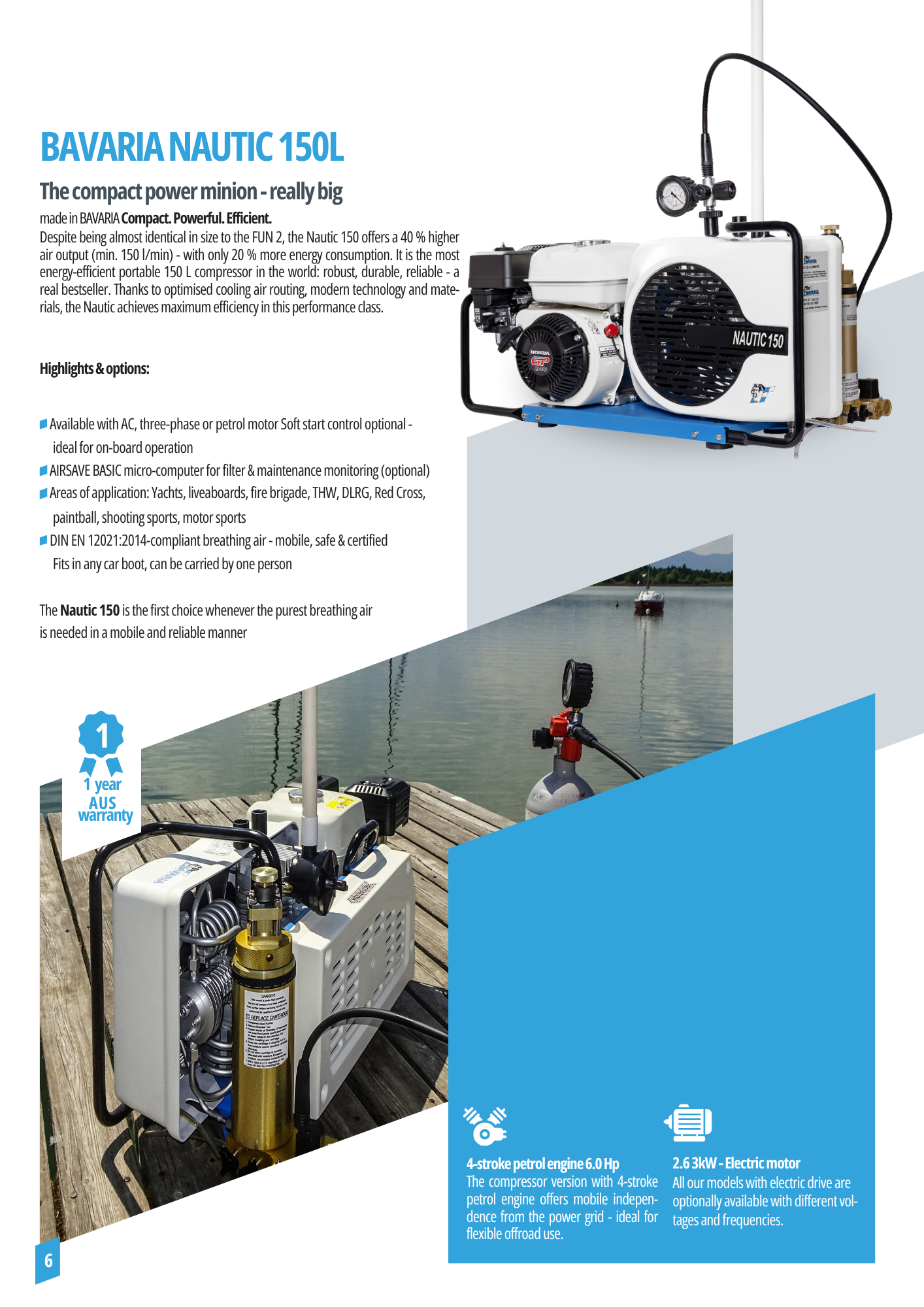
For your compressor to serve you well into the future, strategic maintenance is key. These strategies help extend your equipment’s life and performance.
Marine Compressor Corrosion Control
Saltwater environments pose a unique challenge. Implement corrosion control measures to protect your compressor. Regularly apply anti-corrosion coatings and use corrosion-resistant materials wherever possible. This stops rust in its tracks and extends the life of your equipment.
Most overlook the impact of salt, but it’s a silent killer for machinery. By tackling corrosion head-on, you prevent costly repairs and downtime. Your compressor remains reliable, even in harsh marine settings. For more insights on maintaining compressor performance, explore Winston Engineering’s tips.
Hour Meter Service Schedule
An hour meter tracks operation time, helping schedule maintenance accurately. This tool ensures your service intervals are spot on. Instead of guessing, you’ll know exactly when to perform key tasks like oil changes or filter swaps. This precision keeps your compressor running efficiently.
Scheduled maintenance based on real usage is more effective than calendar-based methods. It ensures you’re not over or under-servicing your equipment. Consistency in maintenance supports long-term reliability and performance.
Automatic Condensate Drain Benefits
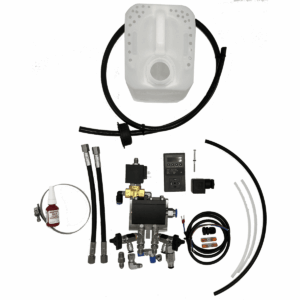
Automatic condensate drains prevent moisture build-up, which can lead to rust and contamination. Installing one means less manual intervention and more efficient operation. This small investment pays off with fewer issues and longer equipment life.
While some think manual draining suffices, automation ensures consistency. This feature saves time and reduces the risk of human error, keeping your compressor in top condition. For a deeper dive into air compressor maintenance, check out this resource.
By following these maintenance tips, you can ensure your compressor remains a reliable asset, safeguarding air quality and operational efficiency. Prioritising regular checks and understanding compliance requirements not only boosts performance but also offers peace of mind. Your compressor is a critical part of your operation—treat it as such, and it will serve you well for years to come.