
What’s next for breathing air compressors: 9 practical trends reshaping dive and industrial operations in Australia
Breathing air compressors in Australia are not what they used to be. Dive operators, emergency teams, and industrial users now face new challenges that demand smarter, safer, and longer-lasting equipment. In this post, you’ll learn about nine practical trends in dive compressor technology that are reshaping how you manage air quality, system reliability, and lifecycle costs—helping you make informed choices for your operation. For more insights, check out this link.
Emerging Trends in Breathing Air Compressors
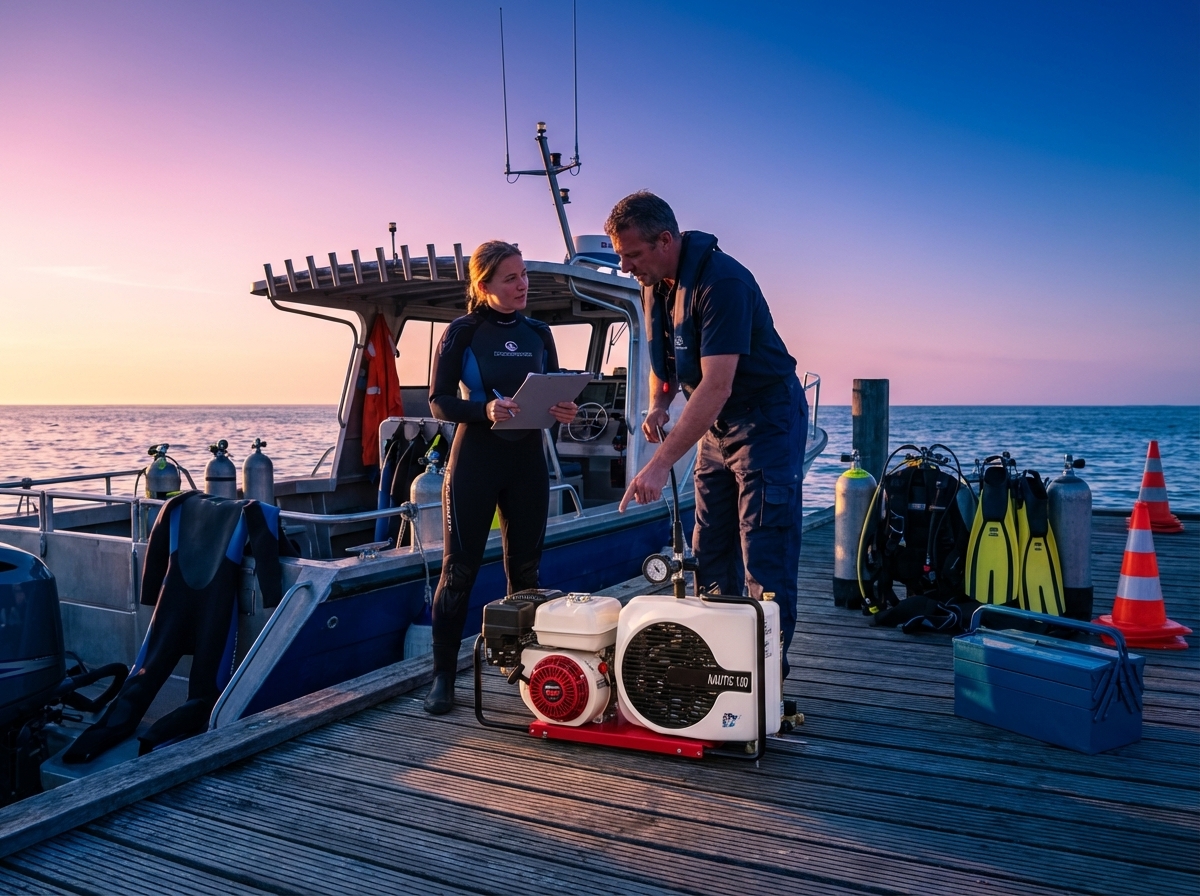
The world of breathing air compressors is witnessing a shift, with newer technologies setting benchmarks for safety and reliability. Let’s explore these advancements.
Advances in Dive Compressor Technology
Dive compressors have come a long way in recent years. Today, they are designed to cater to the specific needs of divers. The focus is now on compact designs that ensure portability without compromising on performance. These compressors offer precision in air quality, providing divers with clean air at varying depths. They often include advanced filter systems, ensuring that each breath remains pure and safe. This is crucial for maintaining your health underwater, where air quality can be a life-saving factor.
Additionally, modern dive compressors are built to withstand harsh environments. They feature corrosion-resistant materials, making them ideal for marine settings. This durability is vital for long-term use and cost-effectiveness. Choosing the right equipment can significantly reduce your maintenance costs over time.
Marine Breathing Air Solutions
Marine operators can now access compressors designed specifically for ocean use. These systems are robust, featuring marine-grade materials that resist saltwater corrosion. This extends their lifespan and ensures consistent performance. If you’re operating in such environments, it’s essential to select a compressor with these capabilities.
Moreover, these compressors are designed for easy integration into marine vessels. This means they require minimal space and can be installed without extensive modifications. Their compact size doesn’t mean a compromise on power, making them an excellent choice for those in the marine industry.
Industrial Safety Enhancements
Industrial settings demand compressors that can handle high pressures and continuous use. Recent innovations focus on enhancing safety in these environments. Automatic shut-off systems are now standard, preventing overloads and ensuring protection for operators. These features are not just about compliance; they’re about providing peace of mind.
Furthermore, improved air filtration systems are being integrated into industrial compressors. This ensures that the air remains free from contaminants, crucial for both safety and equipment longevity. Investing in these systems can prevent costly downtimes and keep your operations running smoothly.
Technology Shifts in IDE Compressors
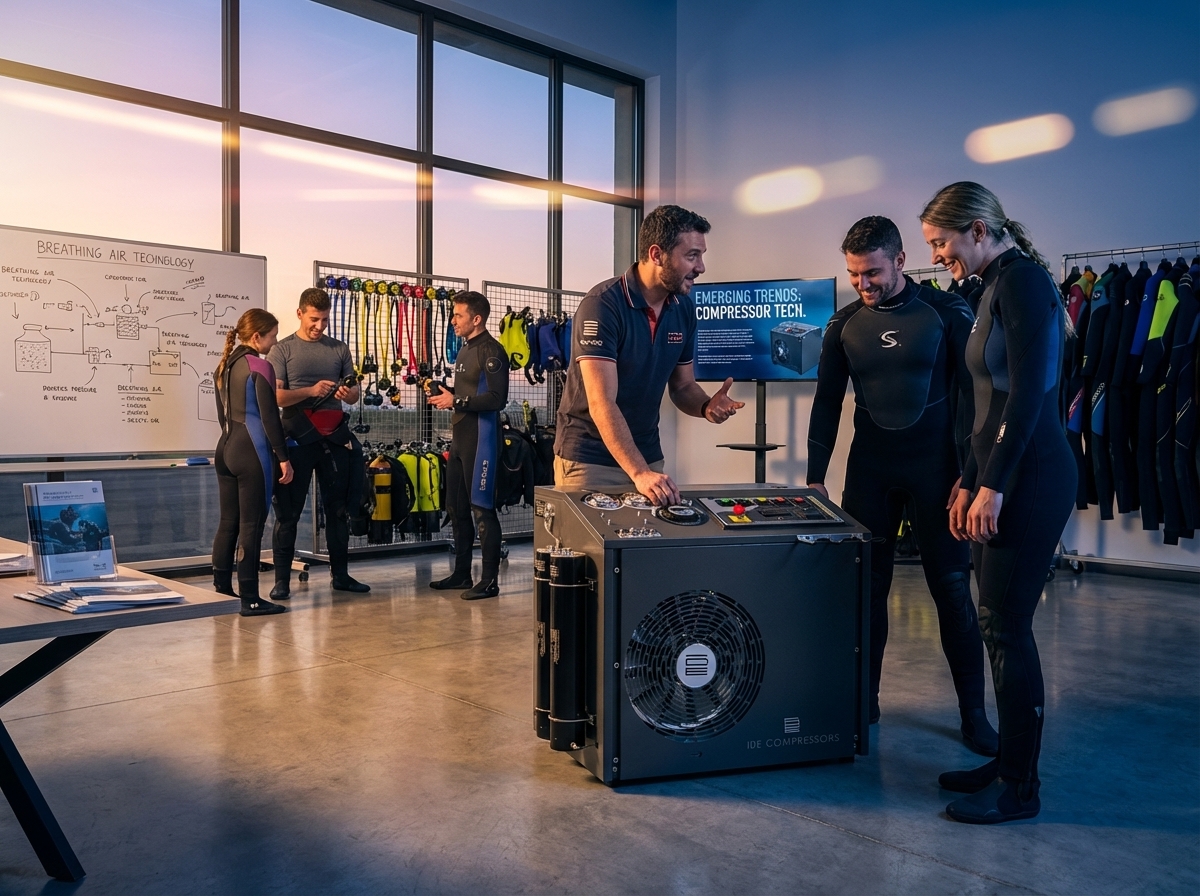
As technology evolves, IDE compressors are leading the charge with innovations that redefine efficiency and safety. Let’s look at what’s new.
High Pressure Air Compressor Developments
High-pressure compressors are becoming more efficient, with advancements allowing for quicker and safer air delivery. These compressors are designed to handle intense pressures while maintaining stable performance. This is particularly useful in scenarios where quick air supply is essential.
Moreover, the introduction of variable speed drive technology in high-pressure compressors allows for better control and energy savings. This means you can adjust the compressor’s speed based on demand, reducing energy consumption and operational costs.
Remote Monitoring Capabilities
Remote monitoring has transformed how you manage compressor systems. With this technology, you can track performance metrics from anywhere, ensuring that your equipment is always operating within safe parameters. This allows for immediate response to any issues, reducing potential risks.
The use of sensors and connected devices means you receive real-time updates. This proactive approach to monitoring can prevent failures and extend the life of your equipment. It’s a smart investment for those who prioritise safety and reliability.
Predictive Maintenance Benefits
Predictive maintenance is a game-changer for compressor longevity. By analysing data from your compressors, you can predict when maintenance is required, avoiding unexpected breakdowns. This approach not only saves time but also reduces costs associated with emergency repairs.
Implementing predictive maintenance helps in scheduling regular checks and parts replacements. This ensures that your compressors are always in top condition, providing you with consistent performance and reducing downtime.
Ensuring Safety and Compliance
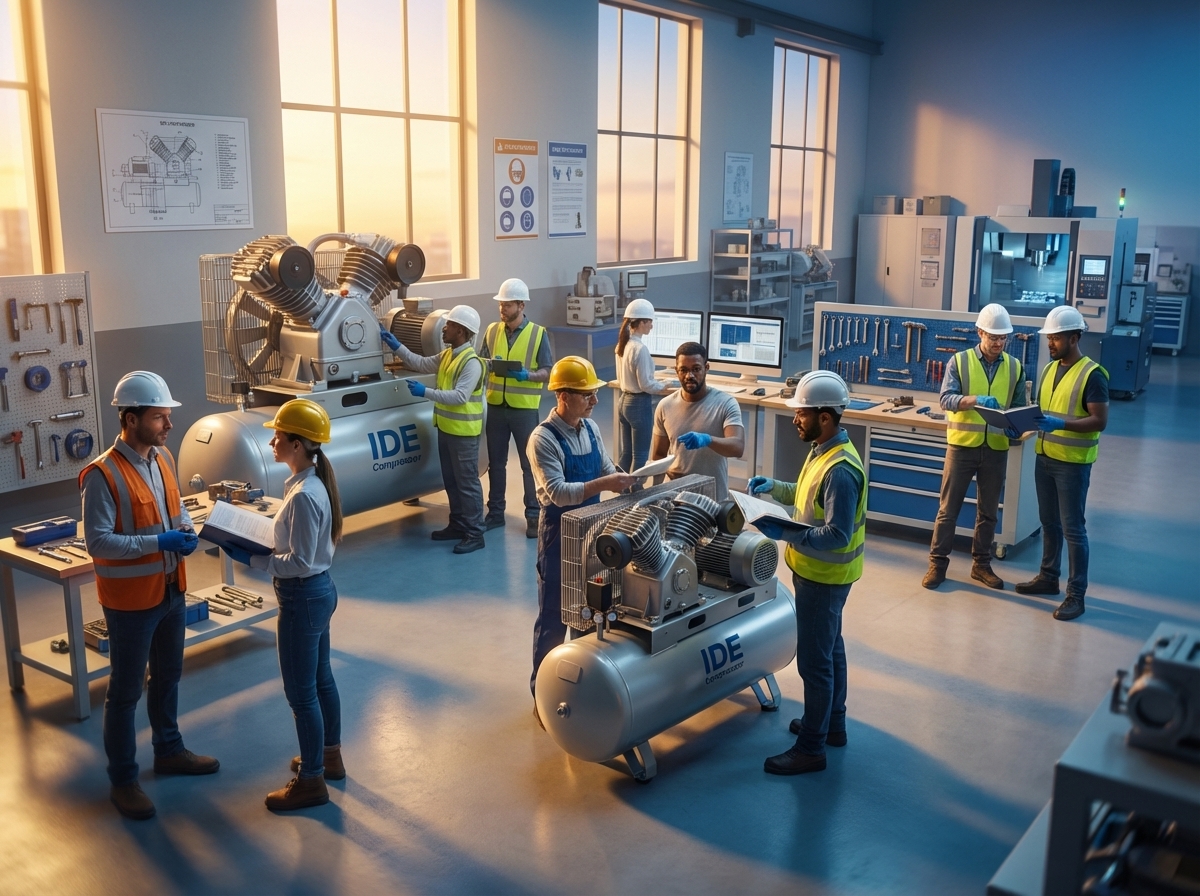
Safety and compliance are at the heart of breathing air systems. Let’s delve into the standards and technologies ensuring these crucial aspects.
EN 12021 and AS/NZS 2299.1 Standards
Adherence to EN 12021 and AS/NZS 2299.1 standards is non-negotiable for breathing air compressors. These guidelines ensure your air is safe for consumption, free from harmful gases and contaminants. Compliance means peace of mind, knowing your system meets international safety benchmarks.
These standards dictate the quality and purity of air, ensuring it’s free of toxins. Implementing these standards in your operations protects your team and reinforces your commitment to safety.
Monitoring Air Quality with Sensors
Air quality sensors are now standard in modern compressors, continuously monitoring the air for harmful substances. This technology allows immediate detection of contaminants, ensuring only the safest air reaches users. For operators, this means reduced risk and increased trust in your equipment.
By integrating these sensors, you ensure a proactive approach to air safety. This technology is essential for environments where air quality is a critical safety factor.
Role of Automatic Condensate Drain Systems
Automatic condensate drain systems play a pivotal role in maintaining compressor efficiency. They automatically remove moisture, preventing corrosion and ensuring the longevity of your equipment. This innovation reduces manual intervention, saving time and preventing human error.
These systems are especially beneficial in humid environments where moisture buildup can be a persistent problem. Investing in automatic drainage solutions can significantly enhance your compressor’s lifespan and performance.
In conclusion, the advancements in breathing air compressor technology are impressive, offering solutions that are safer, more reliable, and efficient. Understanding and integrating these trends will ensure your operations are at the forefront of safety and performance.