Maintaining compliance with Australian breathing air quality standards: a practical guide for dive, marine, and industrial operators
Most dive and industrial operators know meeting Australian breathing air standards isn’t just paperwork—it’s a daily responsibility that keeps your team safe. Falling short on AS/NZS 2299.1 or EN 12021 can put lives at risk and bring costly interruptions. This guide breaks down how to set up the right equipment, run effective testing, and keep clear records so your breathing air compliance Australia stays rock solid.
Setting Up the Right Equipment
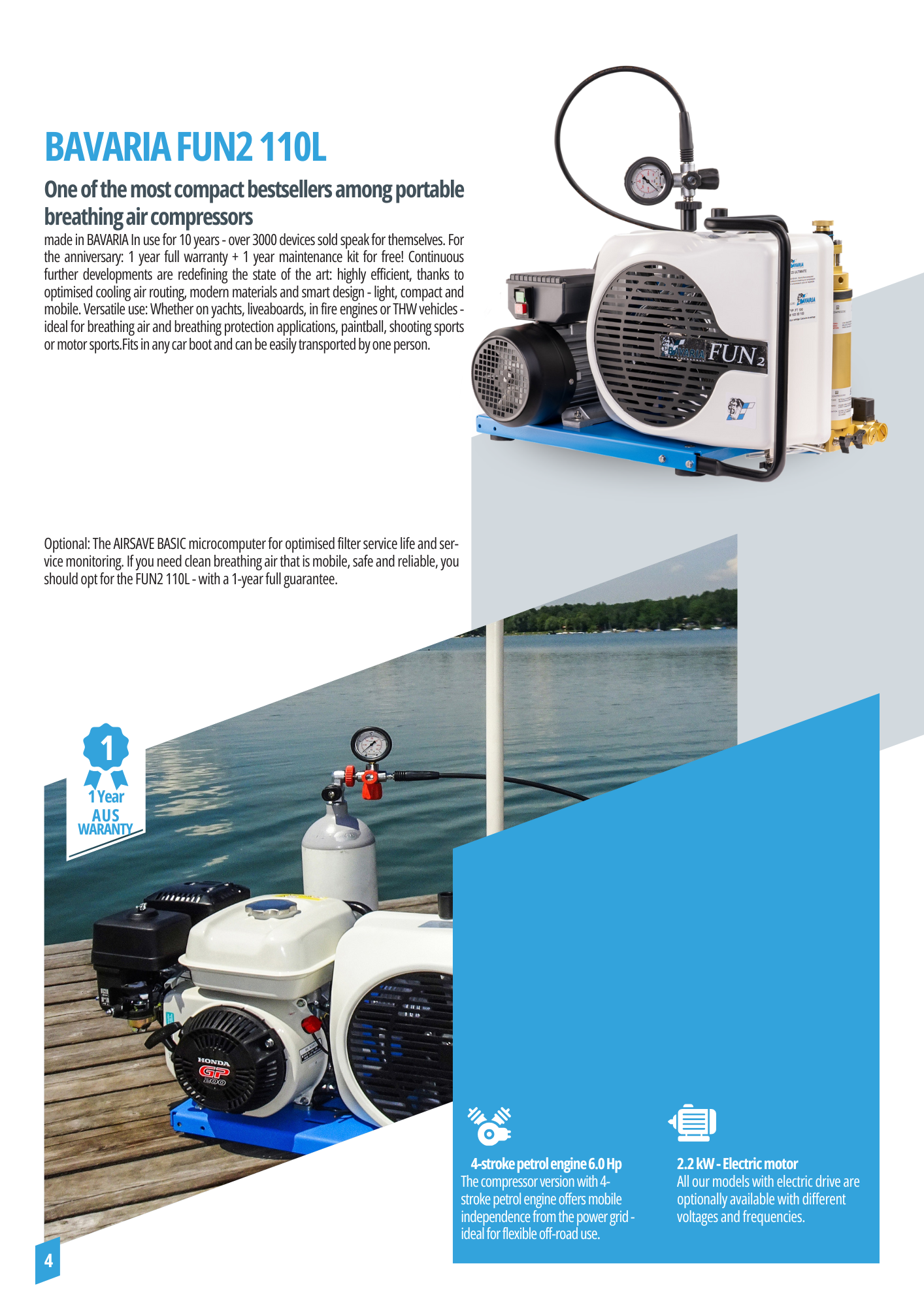
To keep your operations safe, starting with the right equipment is crucial. This ensures that your air quality meets Australian standards and supports your team’s safety.
Selecting IDE Compressors
Choosing the best compressor is the first step. IDE compressors are known for their reliability and performance, making them a top choice for many operators. When selecting a compressor, consider your specific needs: the size of your operation, the frequency of use, and the location’s environment. IDE offers a range of models suitable for various applications, from small dive shops to large industrial users. Their compressors are designed to provide clean and safe breathing air, crucial for meeting standards like AS/NZS 2299.1.
Understanding Filtration Needs
Proper filtration is essential to remove impurities from the air. This involves choosing the right filters and understanding how they work. Filters help eliminate contaminants such as oil vapours and particulates, ensuring the air is safe to breathe. It’s important to regularly check and replace filters to maintain their effectiveness. Different operations may require different filtration systems, so assessing your specific needs is crucial. A well-maintained filtration system plays a key role in complying with standards like AS/NZS 1715.
Importance of Moisture Management
Moisture can be a hidden enemy in compressed air systems. Managing it effectively prevents corrosion and other issues. Using dryers and moisture separators can help keep the air dry, which is essential for the equipment’s longevity and safety. Regular checks and maintenance of these components ensure they function correctly and keep your system in top condition. By keeping moisture under control, you protect your equipment and the safety of your air supply.
Testing Regime Essentials

Testing is an integral part of maintaining compliance. Regular checks ensure that your breathing air remains safe and standards are consistently met.
Dive Compressor Air Testing
Testing your compressor air ensures it meets purity standards. Regular dive compressor air testing helps catch issues early, preventing potential safety hazards. Use testing kits designed for diving applications, which are easy to use and provide quick results. Keeping a log of these tests helps track air quality over time and demonstrates compliance with standards like EN 12021.
Compressed Air Purity Testing
Purity testing is crucial for detecting contaminants that could compromise safety. This process involves sampling the air and analysing it for impurities such as carbon monoxide and oil vapours. Using a dedicated air testing service can provide detailed reports and peace of mind. Regular purity testing ensures that your operations remain safe and compliant.
Monitoring CO and CO2 Limits
Keeping carbon monoxide and carbon dioxide levels within limits is vital for safety. Regular monitoring can prevent dangerous concentrations from building up. Use inline CO monitors to provide real-time readings and alerts. This proactive approach helps you address issues promptly, ensuring safe air for your team.
Effective Maintenance Practices
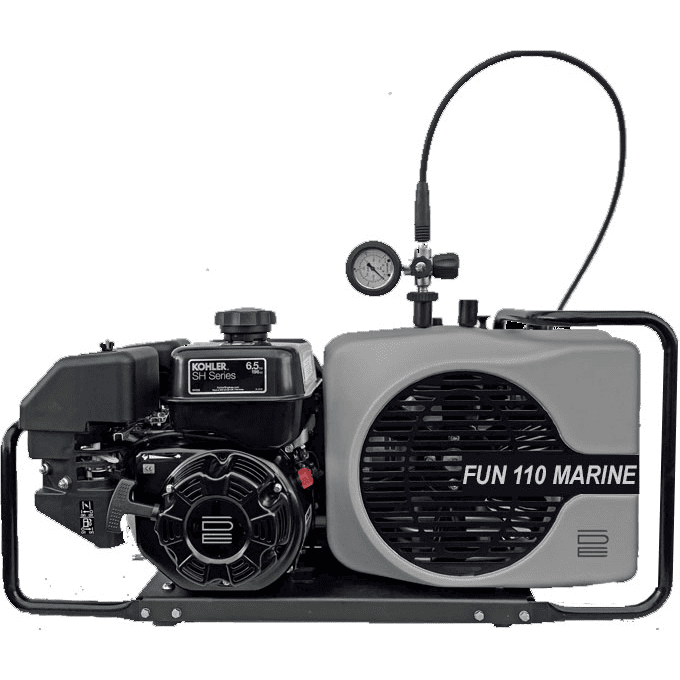
Beyond setup and testing, maintenance is key to keeping your breathing air systems running smoothly and safely.
Regular Servicing and Parts Replacement
Regular servicing extends the life of your equipment. Scheduled maintenance checks help identify wear and tear before they become major problems. Replace parts as needed to ensure optimal performance. Having a maintenance plan in place ensures your equipment remains reliable and compliant.
Monitoring Filter Cartridge Life
Filter cartridges have a limited lifespan. Monitoring and replacing them regularly ensures your filtration system continues to work effectively. Keep track of the usage and condition of each cartridge. This proactive approach avoids unexpected failures and maintains air quality.
Documenting and Logging Maintenance Activities
Keeping detailed records of all maintenance activities is essential. Documenting every service, replacement, and inspection helps track the system’s history and performance. This transparency supports compliance with WHS breathing air obligations and makes audits easier. A well-documented maintenance log is a testament to your commitment to safety and reliability.
In summary, maintaining compliance with Australian breathing air standards requires a combination of the right equipment, consistent testing, and diligent maintenance. By following these guidelines, you can ensure safe, reliable air for your operations while reducing risks and ensuring peace of mind.
Order Now. Breathe Better Tomorrow