
Air quality monitoring in breathing air compressor systems: what Australian operators need to know
Breathing air quality isn’t something you can afford to overlook, especially when lives depend on it. Australian operators managing diving compressors, emergency services air, or remote fill stations need clear guidance on what to monitor and when. This post breaks down key air quality checks, relevant standards like EN 12021 and AS/NZS 2299.1, and practical steps to build a reliable monitoring plan that keeps your system safe and compliant. More details can be found here.
Importance of Monitoring Breathing Air Quality
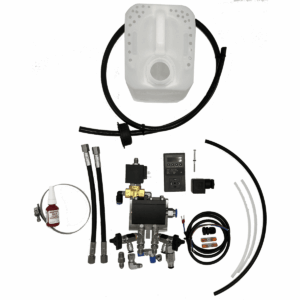
Ensuring the air quality in your breathing systems is crucial for safety and compliance. Understanding the implications of poor air quality can help you appreciate the importance of regular checks.
Risks of Poor Air Quality
Breathing air that doesn’t meet standards can be dangerous. Contaminants like carbon monoxide, carbon dioxide, and oil mist pose serious health risks. Imagine a diver inhaling contaminated air—headaches, dizziness, or worse could occur. For emergency services, compromised air quality can hinder performance in critical situations.
A real-world example involves a diver experiencing symptoms of carbon monoxide poisoning. Fortunately, regular monitoring identified the issue before it led to severe harm. This highlights why addressing air quality issues promptly is essential.
Key Parameters to Measure
When monitoring air quality, focus on specific parameters to ensure safety. Carbon monoxide and carbon dioxide levels are critical. Use a dedicated CO monitor for your compressor to keep these gases in check. Dew point monitoring is also vital; it ensures moisture levels remain safe. Oil mist aerosols are another potential hazard, and regular checks help prevent exposure.
Maintaining these parameters can be daunting, but the right tools simplify the process. Test kits and sensors provide accurate readings, helping you stay compliant and safe.
Benefits of Regular Monitoring
The benefits of keeping a close eye on air quality extend beyond safety. Regular checks ensure your systems run efficiently, saving you money over time. Avoid potential equipment damage from contaminants, prolonging the life of your compressor.
Routine monitoring also builds trust with your team and customers. They know you’re committed to their safety, enhancing your reputation. Remember, a well-maintained system not only protects lives but also your business.
Standards and Compliance in Australia
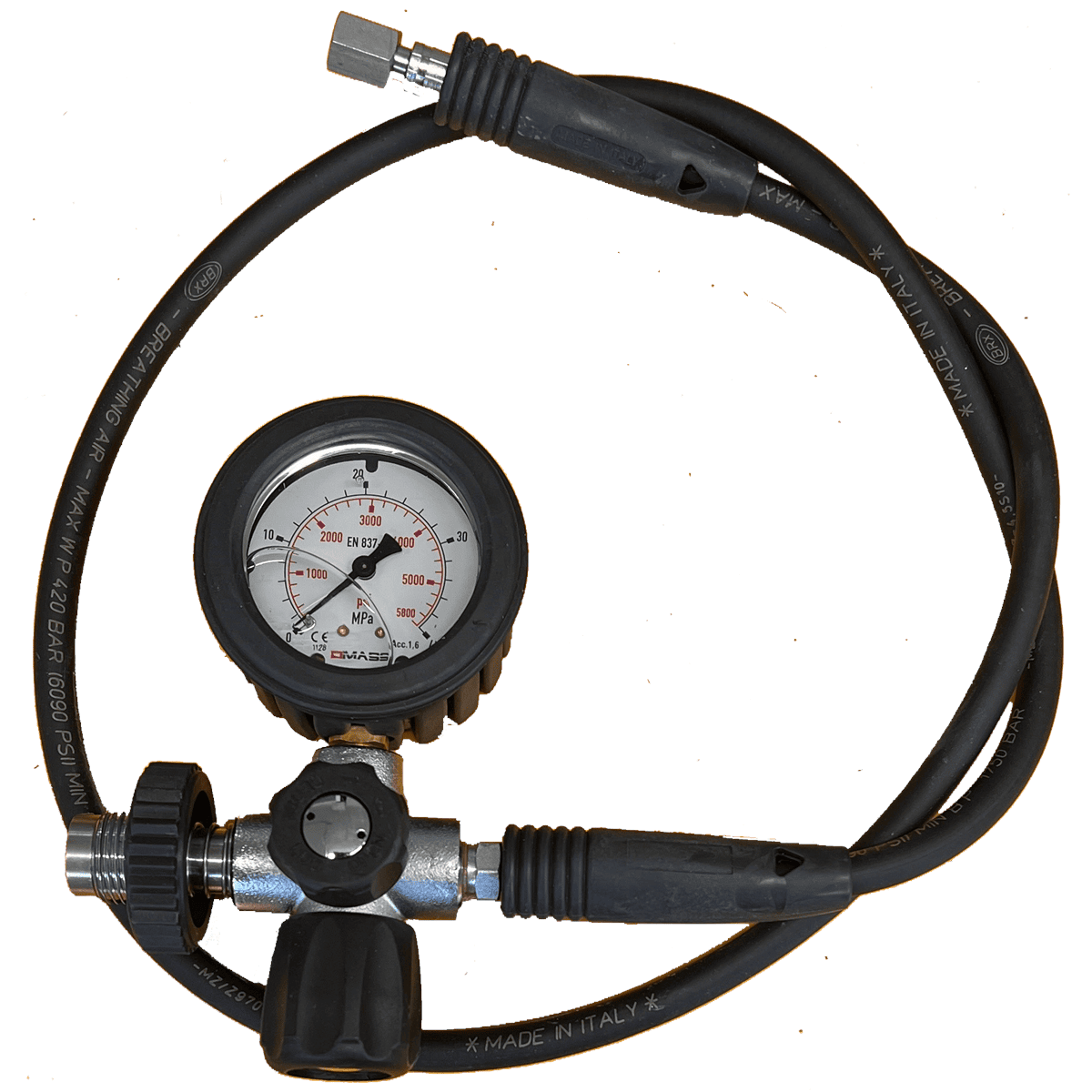
In Australia, strict standards ensure breathing air safety. Understanding these regulations helps you maintain compliance and avoid penalties.
Understanding EN 12021 and AS/NZS Standards
The EN 12021 standard outlines requirements for breathing air quality. It specifies limits for contaminants like CO2 and oil mist. The AS/NZS 2299.1 standard provides additional guidance for work environments. Compliance with these standards is non-negotiable.
Familiarising yourself with these standards can seem overwhelming. However, they serve as your roadmap to maintaining air quality. Resources like this air quality guide offer further insights.
Frequency of Testing Requirements
Knowing how often to test your air quality is crucial. Regular testing helps identify issues before they escalate. For many systems, a monthly check is typical. However, high-use systems may require more frequent assessments.
Some operators find it useful to schedule tests alongside routine maintenance. This ensures nothing slips through the cracks, keeping your operations smooth and safe.
Building a Layered Monitoring Plan
Creating a comprehensive monitoring plan involves multiple layers. Start by identifying critical parameters and setting testing schedules. Incorporate the right sensors and test kits to streamline the process.
A layered approach not only covers all bases but also provides peace of mind. By ensuring your plan is robust, you protect your team and maintain compliance with ease.
Practical Monitoring Solutions
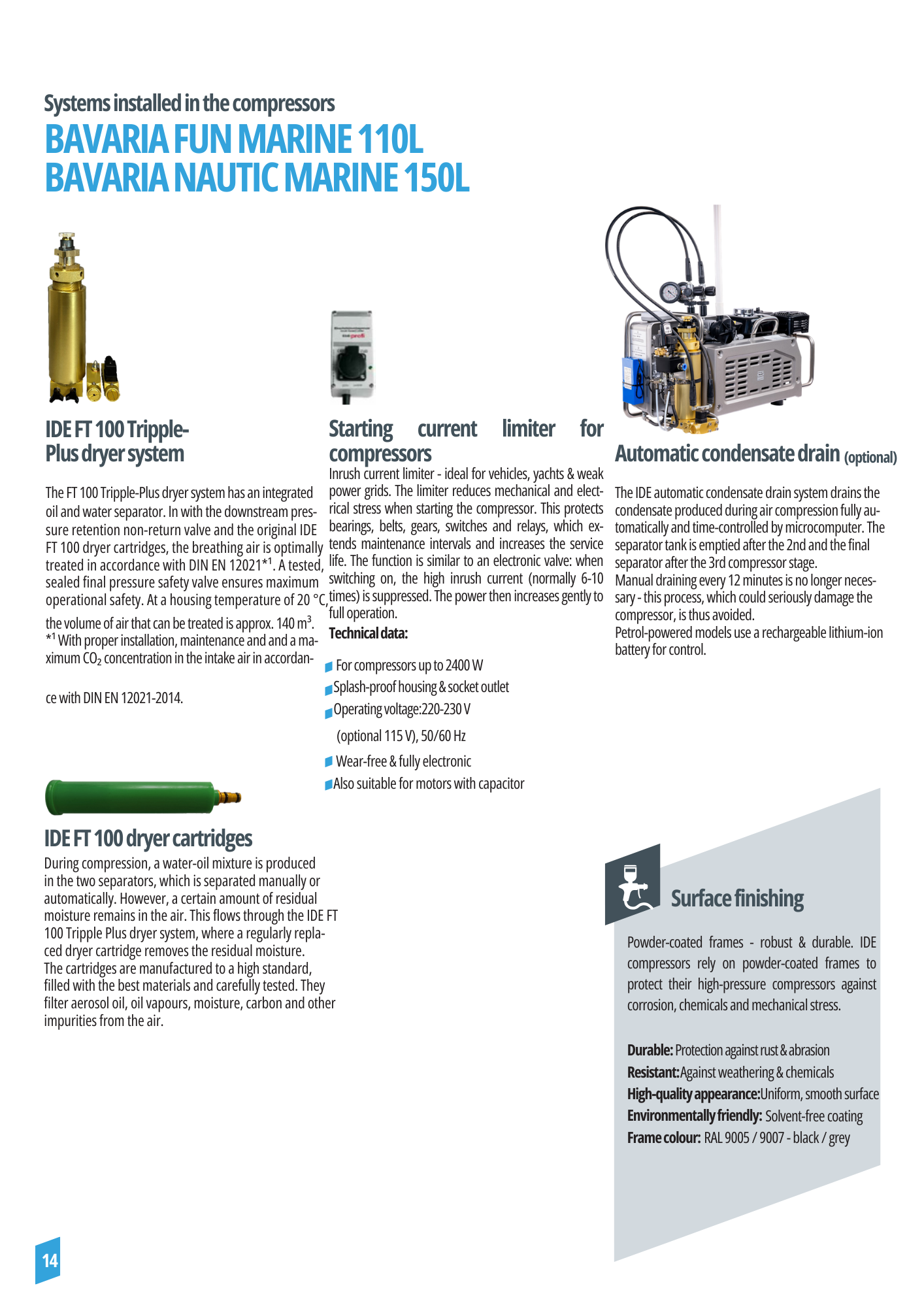
Choosing the right tools and strategies makes air quality monitoring manageable. Let’s explore practical solutions to maintain your systems effectively.
Types of Sensors and Test Kits
Investing in the right sensors and test kits is essential. CO monitors for compressors help track carbon monoxide levels precisely. Dew point sensors gauge moisture content, while oil mist detectors prevent exposure to harmful aerosols.
Test kits come in various forms, from simple tubes to advanced electronic devices. Select those that align with your specific needs and budget.
Implementing a Maintenance Schedule
Integrating air quality checks into your maintenance routine maximises efficiency. A well-structured schedule ensures regular testing without additional burdens. Consider automating reminders to prompt timely checks.
Consistent maintenance not only protects your equipment but also enhances system reliability. Your team will appreciate the smooth operation of well-maintained compressors.
Choosing the Right Compressor for Your Needs
Selecting the right compressor is foundational to good air quality. Marine compressors for yachts cater to specific needs, while portable breathing air compressors offer versatility. Evaluate your operational demands to choose a suitable system.
Remember, a reliable compressor forms the backbone of your air quality strategy. Investing in quality equipment pays off in safety and longevity, providing valuable returns over time.
By following these guidelines, you ensure breathing air quality remains a priority, safeguarding those who rely on it the most.