
Breathing Air Quality Standards in Australia: What Dive Professionals Need to Know
Breathing air quality standards Australia set clear rules to keep every breath safe underwater. If you’re managing dive compressors or running fill stations, understanding EN 12021 and AS/NZS 2299.1 is essential—not just for compliance, but for the safety of your team. This guide breaks down key requirements like oxygen, carbon monoxide, and moisture limits, plus practical tips to maintain and prove your air quality on vessels, remote sites, and busy dive centres. Learn more by visiting this resource.
Understanding Breathing Air Standards
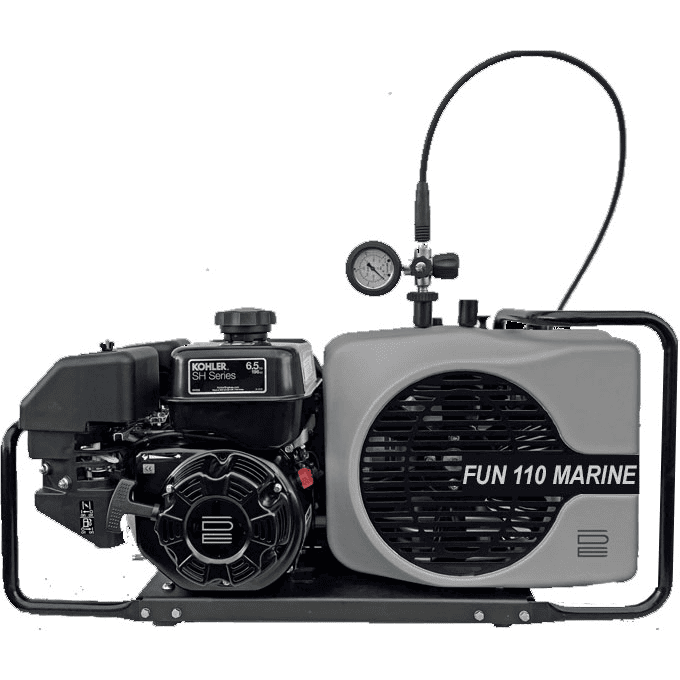
Breathing air standards in Australia are vital for ensuring safety in diving operations. Let’s explore these requirements in detail, beginning with the key Australian standards and how they ensure safe diving conditions.
Key Australian Requirements
Australia adopts specific standards to assure safe breathing air in diving. These regulations aim to protect divers from potential contaminants. The standards focus on maintaining air quality by controlling oxygen, carbon monoxide, and moisture levels. Understanding these standards is crucial for compliance and safety.
EN 12021 Diving Air Basics
EN 12021 is a key standard for diving air. It specifies the composition of breathing gas mixtures. This includes limits on contaminants like carbon dioxide. Understanding this helps you maintain air quality, ensuring safe diving practices.
EN 12021 covers various parameters ensuring air purity. It directly impacts how you operate compressors. By adhering to it, you prevent harmful gases like CO2 from reaching dangerous levels. For more details, check out this document.
AS/NZS 2299.1 Air Quality Essentials
AS/NZS 2299.1 outlines the standards for occupational diving operations. It focuses on air purity, particularly for high-risk diving work. This standard ensures that breathing air is safe and free from harmful impurities.
Understanding AS/NZS 2299.1 is essential for occupational divers. It helps guide in maintaining air quality and safety. Compliance is key to ensuring health and safety in diving environments. For more insights, visit this link.
Crucial Air Quality Parameters
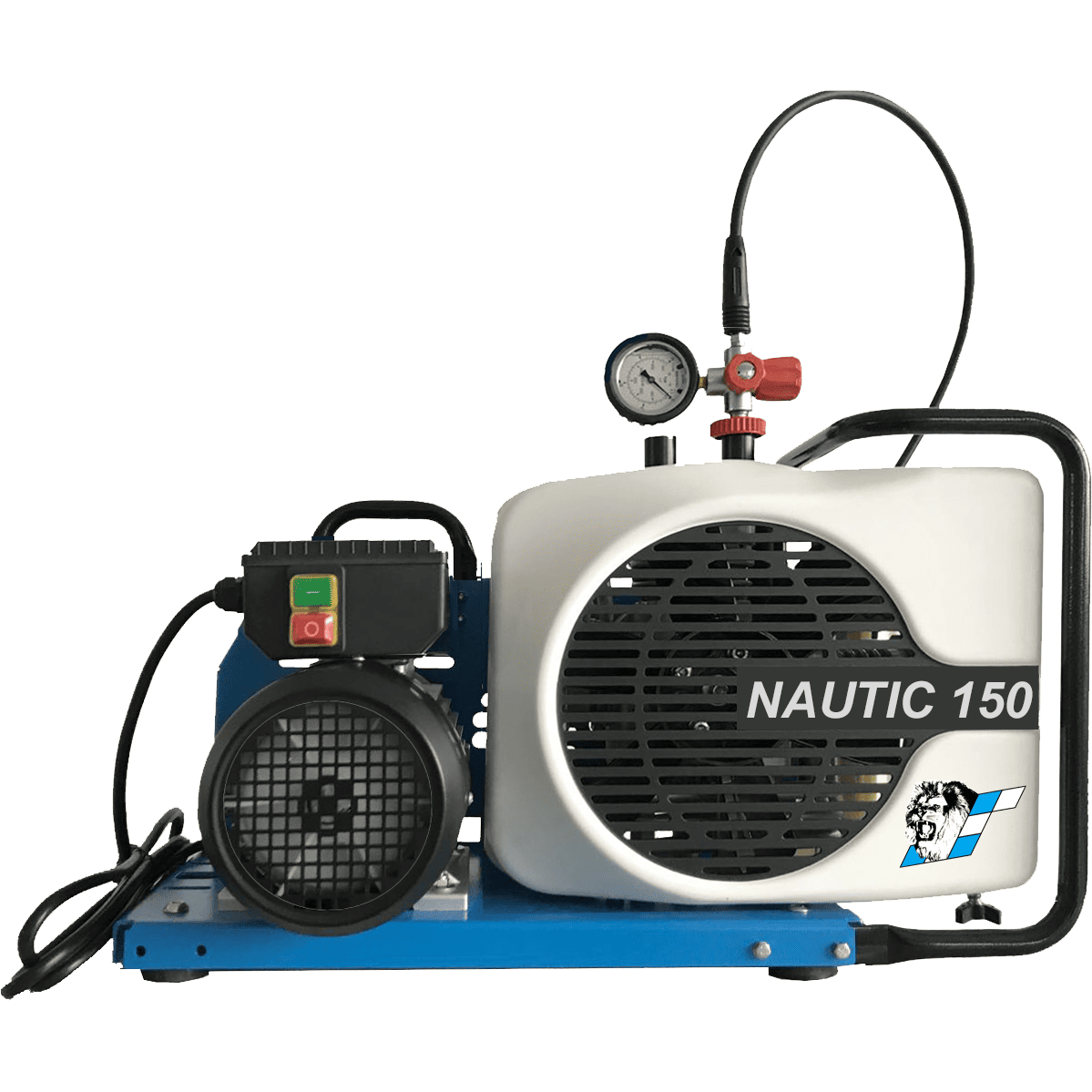
Air quality parameters are crucial in ensuring the safety of divers. These parameters include oxygen levels, carbon monoxide, and others. Let’s delve into each to understand their impact on diving safety.
Oxygen Levels and Safety
Oxygen is vital for life, but maintaining the right level is key in diving. Too much can cause oxygen toxicity, while too little can lead to hypoxia. Understanding these levels is essential for safety underwater.
Ensuring proper oxygen levels requires regular monitoring. Dive compressors play a critical role in maintaining the right oxygen balance. Learning to manage these levels helps prevent accidents and ensures safe diving conditions.
Carbon Monoxide and Carbon Dioxide Limits
Carbon monoxide (CO) and carbon dioxide (CO2) are harmful gases. Monitoring their levels is crucial in diving. CO can be deadly even in small quantities, while high CO2 levels can lead to dizziness or unconsciousness.
Keeping CO below 5 ppm and CO2 under 500 ppm is essential. Regular checks and maintenance of compressors help control these levels. Understanding the dangers of these gases ensures better safety for divers.
Water Content and Pressure Dew Point
Moisture in breathing air can lead to equipment corrosion and breathing issues. Maintaining a pressure dew point of -40°C helps keep air dry and safe. This parameter is critical for air quality in diving operations.
Controlling water content requires effective filtration and drying systems. Dive compressors equipped with these systems can significantly reduce moisture levels, ensuring safer air for divers.
Oil Content and Particulate Matter
Oil and particulates in breathing air pose serious health risks. Keeping oil content below 0.5 mg/m3 is vital for safety. Particulates can damage lungs and cause other health issues, making regular testing crucial.
Using high-quality compressors with effective filtration can help maintain low oil and particulate levels. Regular maintenance and checks are essential to ensure that the air remains clean and safe for divers. For more, check this document.
Odour and Taste Considerations
Odour and taste in breathing air can indicate contamination. Ensuring air is free from strange odours or tastes is essential for safety. Regular tests can help identify and rectify such issues promptly.
Maintaining clean and odour-free air involves regular monitoring and maintenance of compressors. Identifying issues early helps in maintaining high-quality air standards, ensuring safe and comfortable diving experiences.
Compliance Strategies for Dive Professionals
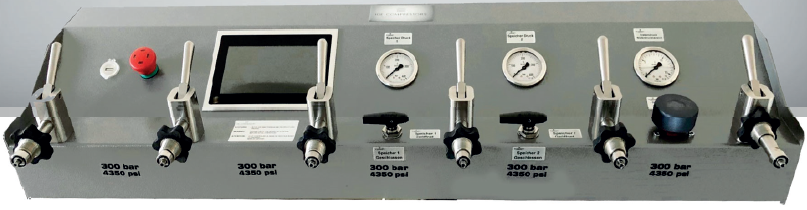
Ensuring compliance with air quality standards is crucial for dive professionals. From testing intervals to record-keeping, let’s explore strategies to maintain compliance and ensure diver safety.
Recommended Testing Intervals
Regular testing of air quality is essential. Setting appropriate intervals ensures that issues are detected early. It’s vital to adhere to recommended testing schedules for optimal safety.
Testing intervals vary based on usage and environment. Dive professionals must establish a regular testing routine. This proactive approach helps in maintaining safe air quality consistently.
Record-Keeping Best Practices
Accurate record-keeping is crucial for compliance. It helps in tracking air quality over time. Keeping detailed logs of tests and maintenance ensures that standards are consistently met.
Implementing a robust record-keeping system is a key strategy. Records provide valuable insights into trends and help in maintaining safety. They are an essential tool in compliance management.
Achieving Compliance on Vessels
Maintaining compliance on vessels requires specific strategies. Conditions at sea can vary, impacting air quality. Ensuring reliable compressor systems is crucial for maintaining standards.
Vessels need robust compressors that can withstand marine conditions. Regular checks and maintenance are essential to ensure compliance. It’s vital to focus on systems that deliver dependable performance in these environments.
Remote Location Solutions
Remote locations pose unique challenges for air quality compliance. Access to equipment and maintenance can be limited. Implementing effective strategies is crucial for maintaining standards.
Portable systems and regular remote monitoring can help maintain air quality. Being prepared with the right tools ensures that standards are met, even in challenging environments.
Busy Dive Centre Adaptations
Busy dive centres require efficient systems to maintain compliance. High usage can strain equipment, making regular monitoring essential. Implementing strategies that cater to high demand is vital.
Investing in high-performance compressors and efficient filtration systems is key. Regular maintenance schedules and monitoring help ensure that air quality remains safe, even during peak times.
In conclusion, understanding and adhering to breathing air quality standards is crucial for dive professionals. By focusing on key parameters and compliance strategies, you ensure safe and reliable operations. Whether on vessels, in remote locations, or busy dive centres, maintaining air quality is essential for safety and success.