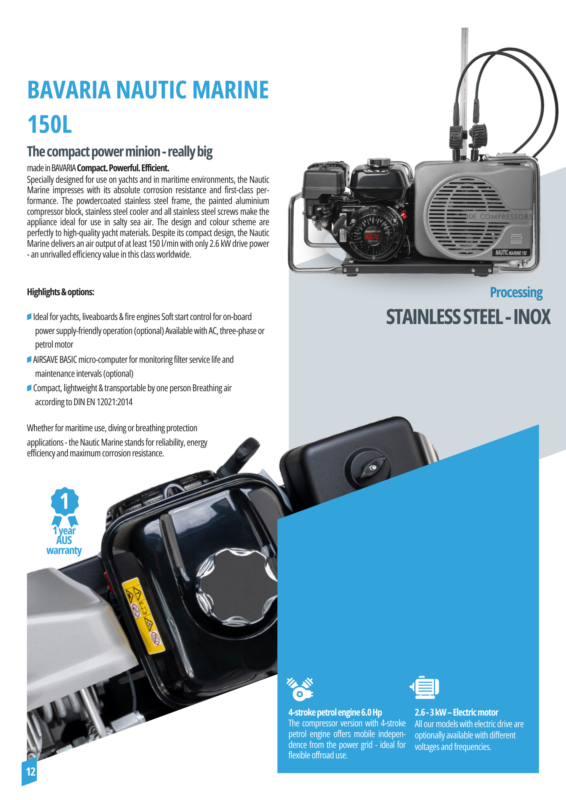
Marine‑proofing your breathing air compressor: stopping salt, soot and humidity before they hit the filter
Salt spray, soot, and humidity are the hidden enemies of your marine breathing air compressor. Left unchecked, they wear down components and threaten breathing air quality EN 12021 compliance. In this post, you’ll learn practical steps to shield your compressor from these contaminants, extending its life and keeping your air safe for every dive or mission. For more insights, you can check out this link.
Understanding Marine Challenges
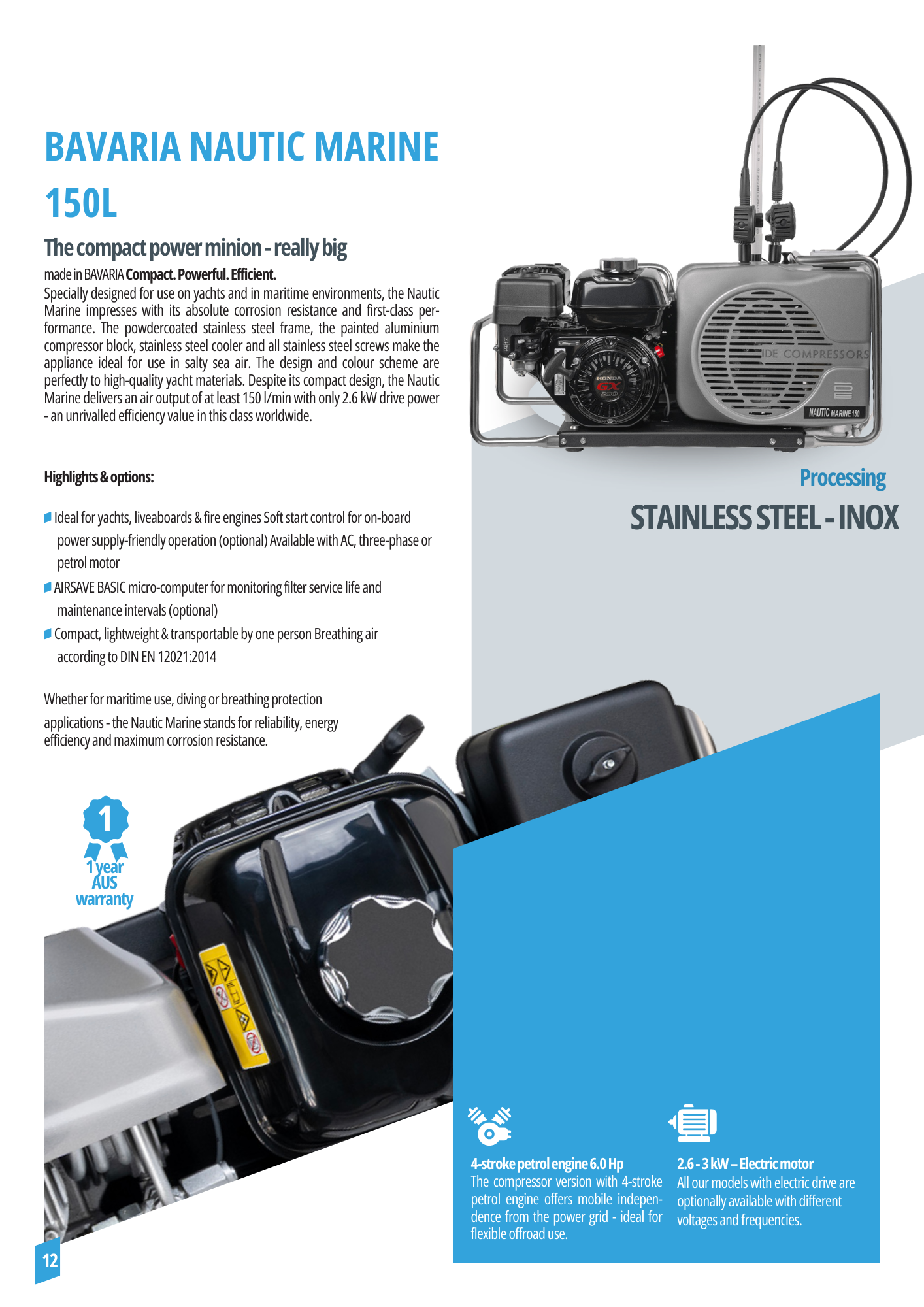
Operating in marine environments comes with unique challenges. Salt spray, humidity, and soot are constant threats. Let’s see how each poses a risk and what you can do about it.
Salt Spray and Corrosion Risks
Salt spray is more than just a nuisance. It’s a corrosive force that can deteriorate your compressor components quickly. The metal parts of your compressor are most susceptible to this challenge. To combat this, it’s crucial to focus on anti-corrosion treatments. Use materials like 316 stainless steel for marine environments. Regular inspections help catch early signs of corrosion.
One common approach is using a salt-mist filter. By installing these, you can capture the salt before it wreaks havoc. This is a simple and cost-effective way to extend your compressor’s life.
Humidity and Moisture Control
Humidity is another persistent adversary. Moisture can lead to rust and reduce efficiency. A key step is keeping your equipment dry. Cyclonic pre-filters are a great start. They remove most of the moisture before it reaches the compressor.
Consider an IP-rated compressor enclosure. This provides a sealed environment, keeping humidity at bay. Regular maintenance checks ensure the system remains moisture-free. Remember, the battle against moisture is ongoing.
Combating Soot and Particulates
Soot from engines and particulates can clog filters, reducing airflow. They pose a risk to air quality. Remote intake snorkel kits can help. These kits draw air from cleaner, elevated locations.
Using an automatic condensate drain is another strategy. It prevents buildup and reduces the chance of clogging. Keeping the system clean maintains air quality, ensuring compliance with EN 12021 standards.
Practical Protection Strategies
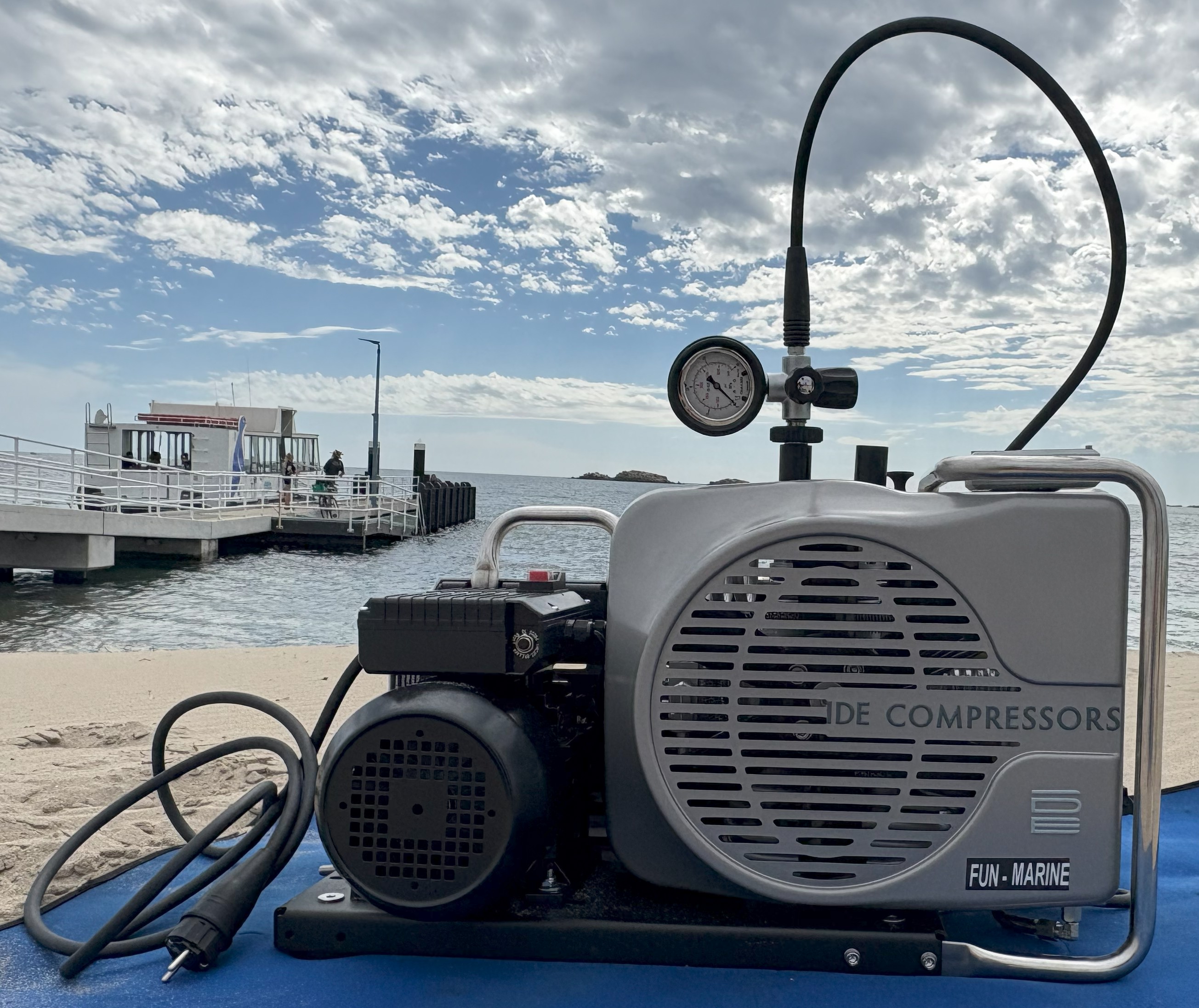
Having identified the challenges, let’s discuss practical solutions. These strategies will protect your compressor and ensure long-term reliability.
Remote Intake Snorkel Kits
Remote intake snorkel kits are invaluable in marine settings. They pull air from less contaminated areas, reducing the risk of ingesting salt or soot. Installing a snorkel kit is straightforward. Attach it to the compressor’s air intake. Elevate the snorkel to avoid ground-level contaminants.
Routine checks ensure the snorkel remains unobstructed. This simple addition can significantly improve air quality. It’s a proactive step towards safeguarding your compressor.
Importance of IP-Rated Enclosures
IP-rated enclosures offer robust protection. They shield your compressor from dust and moisture. An IP65 rating is ideal for marine use. It ensures complete protection against dust and water jets.
Position the enclosure in a well-ventilated area. This prevents overheating and maintains performance. Regularly inspect seals and gaskets for wear. These checks help maintain the enclosure’s integrity.
Automatic Condensate Drain Systems
Automatic condensate drain systems are essential. They remove accumulated moisture, preventing corrosion and freezing. Installing one is simple. Connect the drain to the lowest point in the system.
Set it to activate periodically, ensuring consistent drainage. This minimizes manual intervention and reduces maintenance. By keeping moisture levels down, you extend the life of your compressor.
Compliance and Maintenance
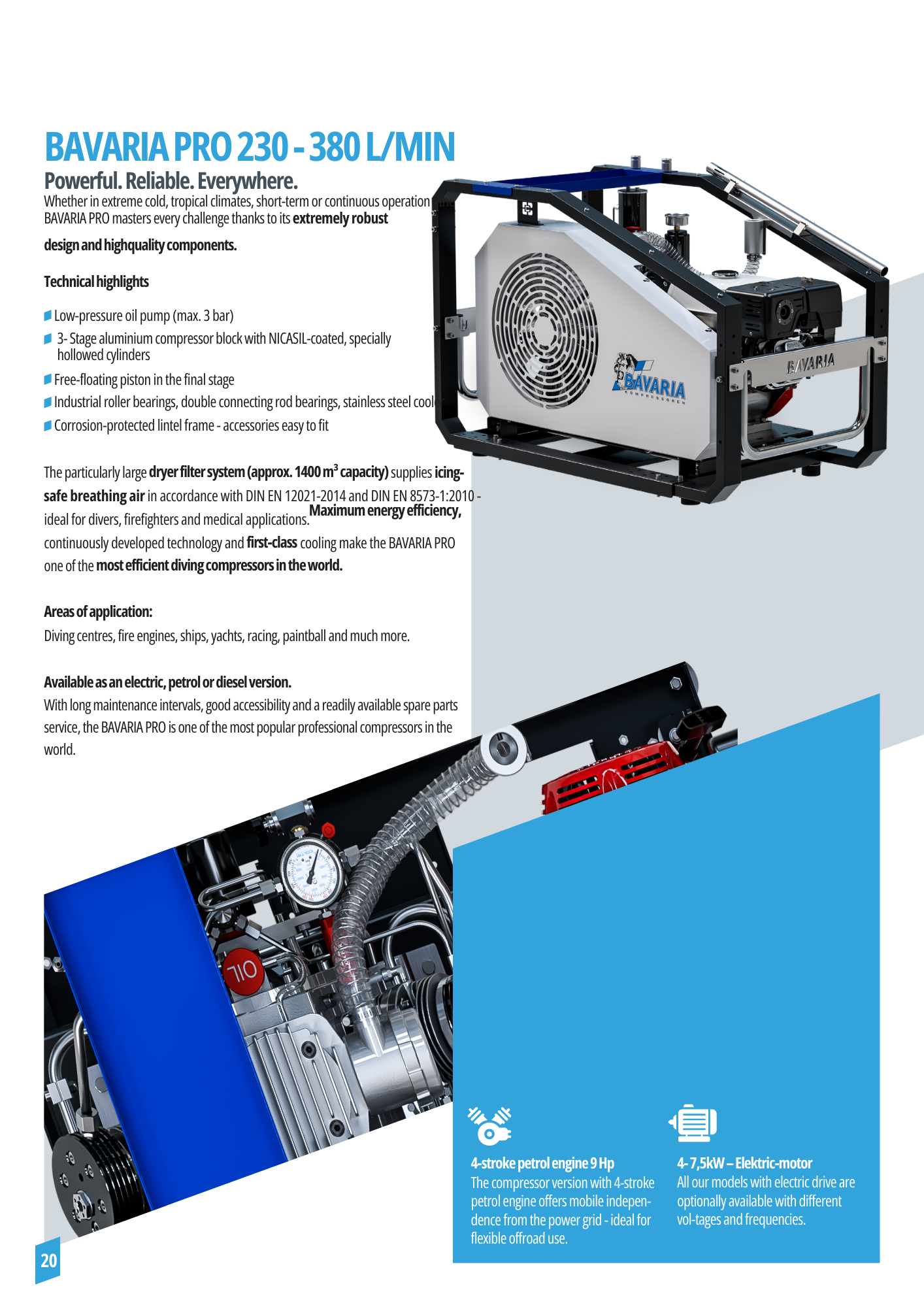
Protecting your compressor is just the beginning. Compliance and maintenance are key to long-term performance. Let’s explore what’s required to meet standards and ensure reliability.
Breathing Air Quality Standards
Meeting air quality standards, like EN 12021, is non-negotiable. They set limits on contaminants in breathing air. Regular testing is crucial. Use testing kits or engage professionals to verify compliance.
Documentation is your ally. Keep detailed records of tests and maintenance. This shows adherence to standards and aids in troubleshooting. Regular checks ensure you’re always in compliance.
Long-term Compressor Servicing
Routine servicing is vital for longevity. Schedule checks every six months. Focus on filters, seals, and moving parts. Look for signs of wear and replace components as needed.
Engage qualified technicians for more complex repairs. They can identify potential issues before they escalate. Preventative maintenance saves time and money in the long run.
Upgrading with Marine Protection Packs
Investing in marine protection packs is a smart move. These kits include enhanced filters and corrosion-resistant parts. They offer targeted upgrades for marine environments.
Installation is straightforward, often requiring minimal downtime. Follow the manufacturer’s guidelines to ensure compatibility. Upgrading enhances performance and extends the life of your compressor.
By understanding these challenges and implementing practical strategies, you can protect your marine breathing air compressor effectively. Regular maintenance and proactive upgrades ensure compliance and reliability, keeping your operations smooth and safe.