
When air stops, everything costs: The hidden price of compressor downtime for emergency services and industry
Breathing air compressor downtime isn’t just an inconvenience—it’s a risk that can ripple through every part of your operation. When your emergency services air compressor fails, delays pile up, compliance cracks appear, and unplanned costs sneak in. Understanding these hidden costs helps you plan smarter with compressor redundancy and tailored service plans from Safety Stop Australia, keeping your breathing air reliable and your team confident when it matters most. For more insights, check this link.
The Cost of Compressor Downtime
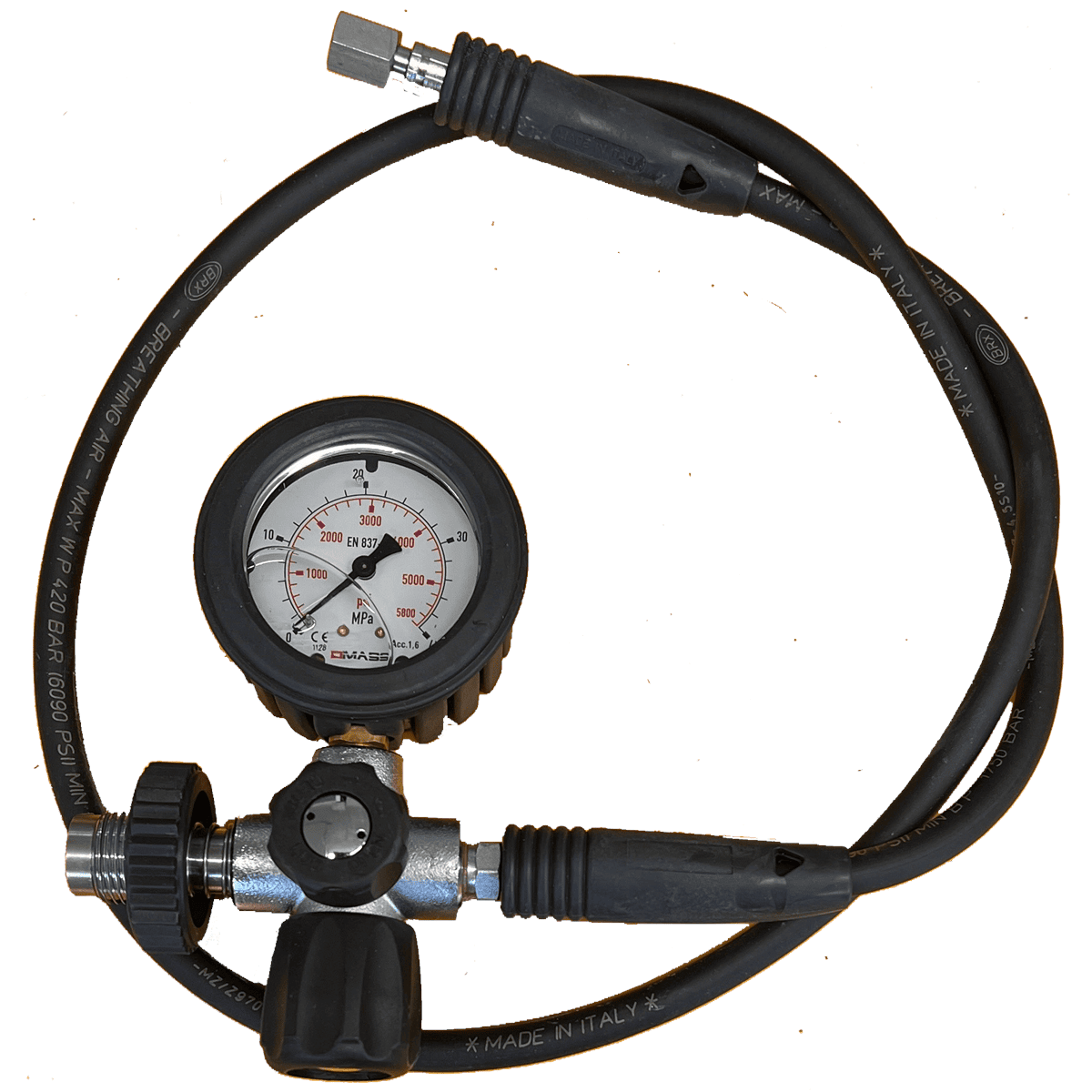
When a compressor halts, the real costs begin to unfold. From operational risks to compliance issues, every delay can impact your bottom line.
Operational Risk and Response Delays
No one wants to be in a crisis without the tools to handle it. A stalled compressor means delayed responses. Imagine a fire department waiting on air before they can gear up. Every minute counts, and waiting can be dangerous. Having a reliable air supply is crucial for emergency services and industrial users alike.
Downtime leads to a chain reaction. Firefighters can’t respond quickly, and industrial workers face safety risks. These delays can increase the severity of incidents. A quick response is key to managing emergencies effectively. It’s not just about speed; it’s about safety and efficiency. Waiting for equipment to be ready is not an option when lives are on the line.
Compliance Exposure and Unplanned Labour
Compliance is more than a checklist; it’s a necessity. When compressors fail, compliance issues arise. Regulators demand adherence to standards, and non-compliance can lead to hefty fines. It’s not just about financial penalties; it’s about reputation and trust in your operations.
With downtime, unplanned labour becomes unavoidable. Teams may need to work overtime, increasing costs and straining resources. It also affects staff morale as they rush to meet deadlines and maintain standards. Planning for unexpected failures isn’t easy, but it’s necessary to avoid these pitfalls.
Outsourcing Fills and Asset Wear
When your equipment isn’t functioning, you’re forced to outsource. This adds costs and complicates logistics. Transporting cylinders and relying on external fills isn’t just expensive; it risks air quality. Maintaining control over your air supply ensures safety and reliability.
Asset wear is another hidden cost. Frequent downtime accelerates the wear and tear of your equipment. This reduces the lifespan of your assets, leading to more frequent replacements. Keeping your compressors in peak condition is essential for long-term savings and operational efficiency.
Solutions for Minimising Downtime
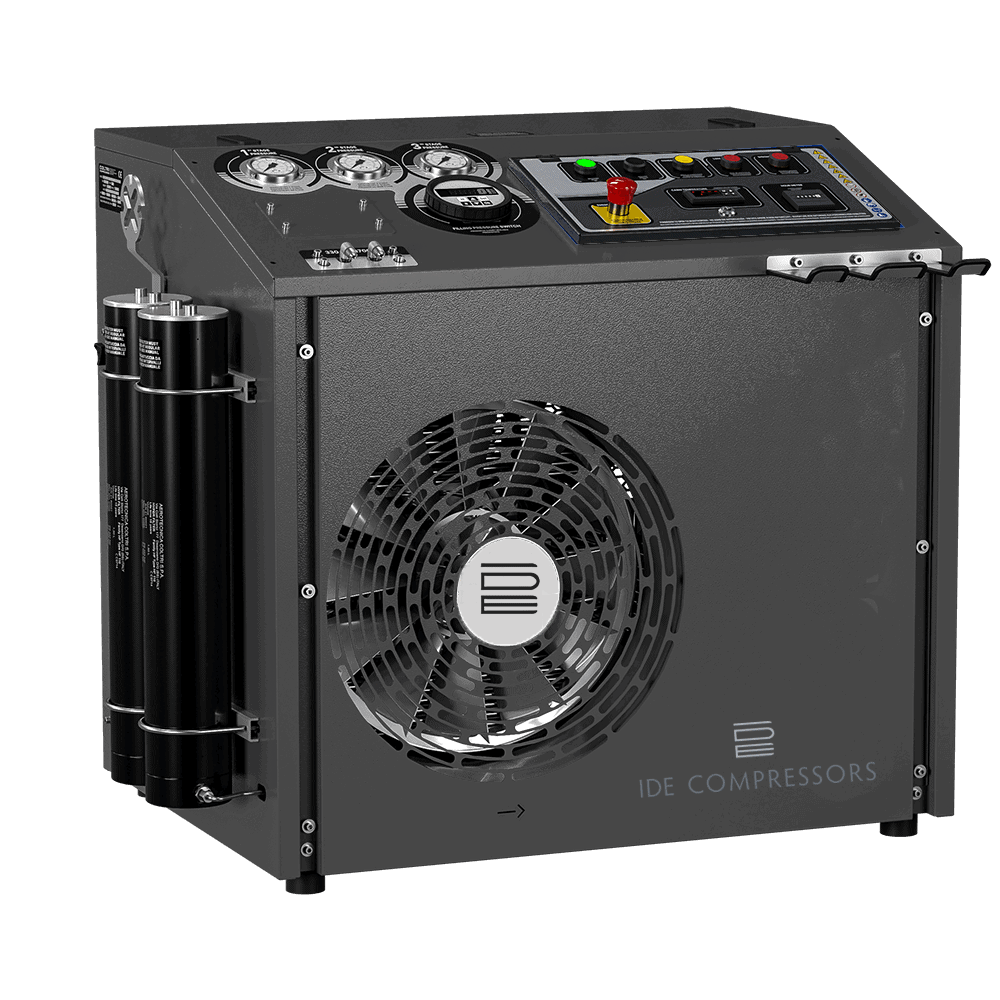
Reducing downtime isn’t just about maintenance; it requires foresight and strategic planning. Let’s explore how proactive measures can save costs and improve efficiency.
Proactive Design and Redundancy
Think ahead to stay ahead. Designing your system with redundancy in mind means you’re prepared for the unexpected. Redundant systems act as a safety net, ensuring operations continue even if one component fails. This foresight can prevent costly interruptions.
Proactive design involves assessing your needs and planning for growth. As your operations expand, your systems must adapt. Investing in scalable solutions ensures you’re not caught off guard as demands increase. Redundancy isn’t just a backup; it’s a strategic advantage.
Service Planning with IDE Systems
Service planning is more than maintenance; it’s about reliability. With IDE systems, you get tailored service plans that fit your needs. These plans ensure regular checks and timely interventions, reducing unplanned downtime. Learn more about avoiding hidden costs from idle systems here.
IDE’s proactive approach means you’re never left scrambling when issues arise. Regular service ensures compliance and operational efficiency. It’s not just about fixing problems; it’s about preventing them. With IDE, you’re investing in peace of mind and operational excellence.
Long-Term Cost Benefits
Looking beyond the immediate, the long-term benefits of strategic planning are clear. Reducing downtime saves costs, but it also enhances productivity and safety. When systems run smoothly, your team can focus on their tasks without interruptions.
Investing in quality systems and service plans reduces the total cost of ownership. With fewer breakdowns and extended equipment lifespan, you see real savings. It’s not just about cutting costs; it’s about building a sustainable and efficient operation.
The Safety Stop Australia Advantage
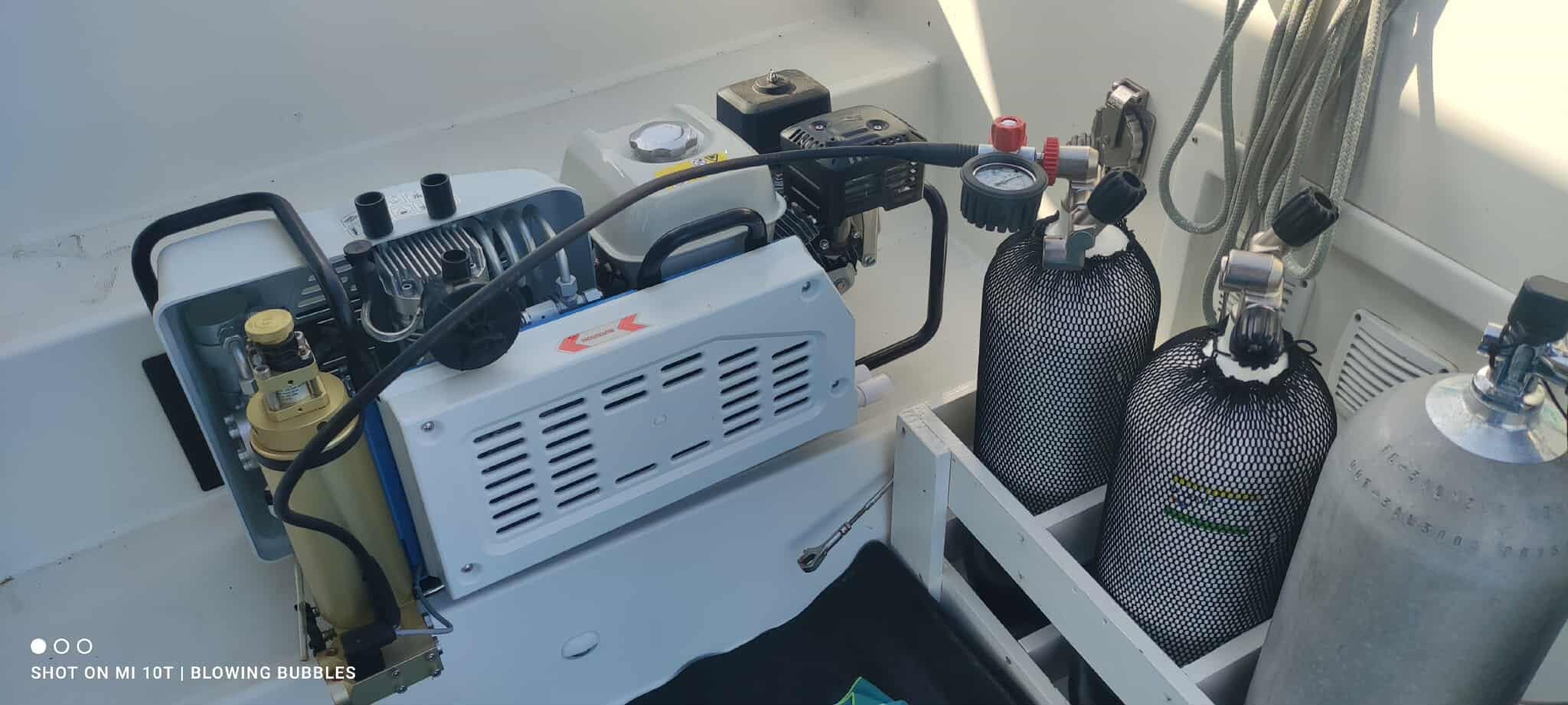
Partnering with Safety Stop Australia means more than just equipment; it’s about comprehensive support and reliable solutions that stand the test of time.
Local Stock and Parts Availability
When you need parts, waiting isn’t an option. Safety Stop Australia ensures local stock availability, providing quick access to what you need. This reduces downtime and keeps your operations running smoothly. Fast access to parts means problems are solved without delay, keeping your systems operational and efficient.
On-Site Setup and Training
Proper setup and training are crucial for operational success. Safety Stop Australia offers on-site setup and comprehensive training for your team. This ensures your staff is equipped to handle the systems confidently and efficiently. With hands-on training, your team can manage systems effectively, reducing errors and enhancing productivity.
Comprehensive Service Plans
Service plans are the backbone of reliable operations. Safety Stop Australia provides comprehensive plans tailored to your needs. These plans cover regular maintenance, emergency support, and expert advice. Investing in a service plan ensures your systems are always ready, reducing downtime and enhancing performance.
By adopting these strategies, you ensure your operation remains efficient, compliant, and prepared for any future challenges.