
The Australian dive operator’s guide to setting up breathing air compressors: layout, compliance, and commissioning
Setting up a breathing air compressor for your dive operation is more than just plugging in equipment. Every choice—from intake placement to filtration and ventilation—shapes the safety and reliability of your system. This guide breaks down the essentials of breathing air compressor setup, ensuring your system meets AS/NZS 2299.1 and EN 12021 standards with practical advice tailored to Australian dive conditions. Let’s get your compressor running right, so the air your team breathes is always clean and dependable. For more detailed information, you can check here.
Planning Your Compressor Layout
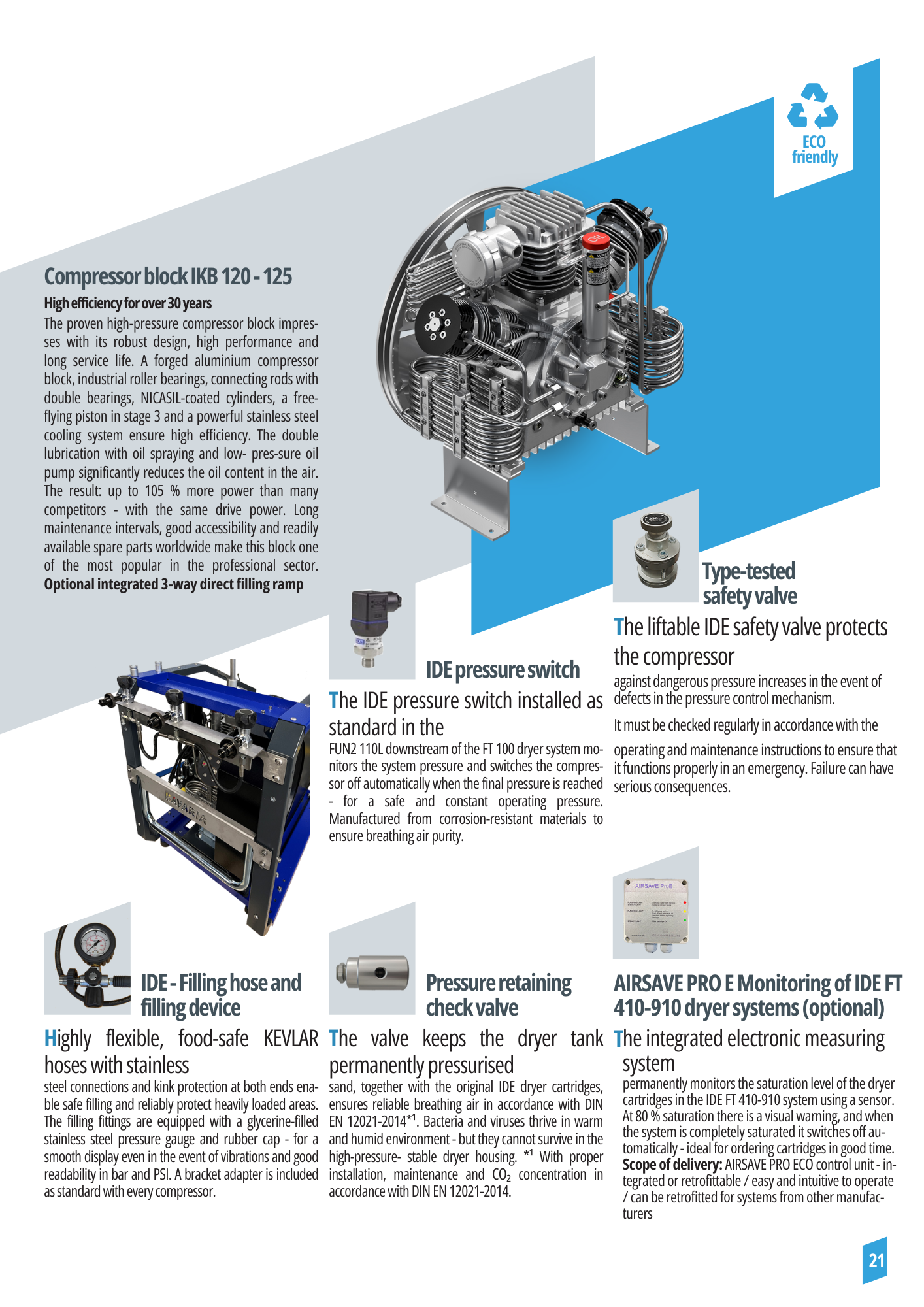
Designing a layout for your compressor isn’t just about saving space—it’s about ensuring efficient and safe operation. The layout impacts every aspect of the system, from intake placement to ventilation needs.
Optimal Intake Placement
Choosing the right intake spot is critical. Place it away from exhausts or any sources of contamination. A good example: keeping the intake a few metres above ground can reduce dust intake. This is crucial for IDE compressors known for their efficiency in clean air environments.
-
Height Matters: Positioning the intake at least 3 metres high can prevent dust and other contaminants from entering.
-
Avoid Corners: Keep away from corners to allow free airflow. This ensures your equipment runs smoothly without unnecessary strain.
Filtration and Moisture Management
Filtration and moisture control are non-negotiable for safe breathing air. Your compressor needs robust filters to trap particles and moisture. A system with an automatic condensate drain can be a game-changer, reducing manual checks.
-
Regular Checks: Inspect filters monthly to ensure they’re not clogged.
-
Automatic Drains: These save time by regularly expelling moisture. This prevents corrosion, a common issue in marine environments.
Electrical and Ventilation Needs
Proper electrical setup is vital for compressor safety. Ensure wiring meets local standards and ventilation keeps temperatures stable. This prevents overheating, a risk in confined spaces.
-
Secure Wiring: Use durable, marine-grade cables to withstand the elements.
-
Ventilation Fans: Install fans to maintain airflow around the compressor, which keeps temperatures in check.
Ensuring Compliance and Quality
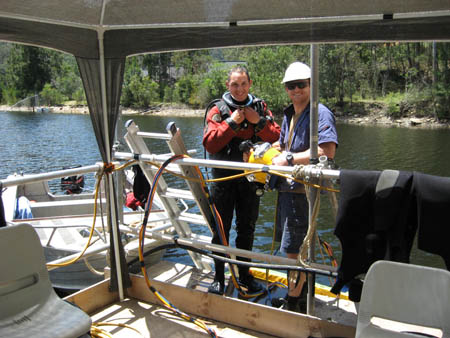
Meeting safety standards is not just about being compliant—it’s about ensuring the air you breathe is safe. Let’s explore how to achieve this.
Understanding AS/NZS 2299.1 Standards
Understanding these standards gives you confidence in your compressor setup. They cover everything from equipment requirements to operational practices. Dive operators must ensure their systems align with these standards to avoid penalties.
-
Regular Updates: Standards can change. Keep an eye on updates to ensure ongoing compliance.
-
Documentation: Maintain detailed records of your setup to prove compliance during inspections.
EN 12021 Breathing Air Quality
This standard ensures that breathing air is free from harmful contaminants. Regular testing can assure you that your system meets these stringent requirements. It’s not just a box-ticking exercise; it’s about safety.
-
Testing Schedule: Conduct air quality tests quarterly to align with EN 12021.
-
Action on Results: If contaminants are found, act immediately. This keeps your operation safe and compliant.
Commissioning and Long-term Care
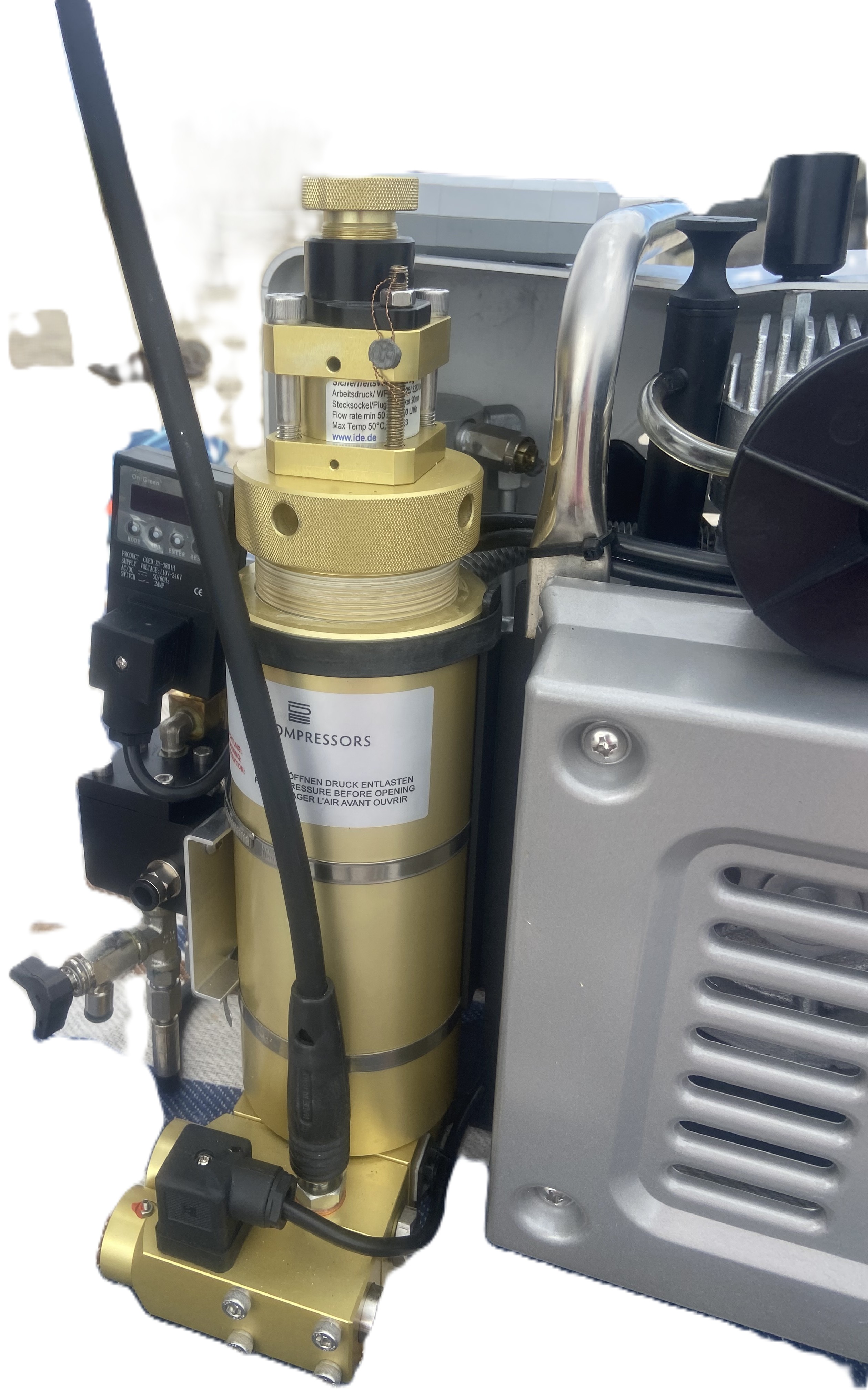
A successful setup doesn’t end at commissioning. Ongoing care ensures your system remains reliable and efficient.
Routine Testing and Monitoring
Routine checks make a world of difference. They help catch minor issues before they become major problems. Use a compressor commissioning checklist for thorough initial setup and regular reviews.
-
Monthly Inspections: Check for unusual noises or leaks.
-
Annual Servicing: Schedule comprehensive services to extend your compressor’s lifespan.
Documentation and Compliance
Accurate documentation is your best defence in regulatory checks. It also provides a roadmap for maintenance, ensuring no step is missed.
-
Log Everything: From maintenance to incidents, keep detailed records.
-
Use Templates: Pre-made templates can streamline your documentation process.
Reliable Servicing and Support
Reliable support means peace of mind. Partner with trusted service providers who understand your equipment and can respond quickly.
-
Choose Experts: Select service partners familiar with IDE compressors Australia.
-
Spare Parts: Keep essential spare parts on hand to minimise downtime.
By following these steps, you’ll ensure your breathing air compressor setup is efficient, safe, and compliant. Prioritising these aspects will safeguard your dive operations for years to come. Remember, every detail counts—especially when safety is on the line. For further reading, explore the dive operations manual and diving procedures manual.
Order Now. Breathe Better Tomorrow