
Understanding Breathing Air Purity Standards and Regulations in Australia
Breathing air purity isn’t a detail you can afford to overlook—especially when lives depend on the air you supply. In Australia, standards like EN 12021 and AS/NZS 2299.1 set clear rules for scuba, SCBA, and industrial breathing air quality. This guide breaks down those standards and offers practical steps to keep your compressors compliant, your air clean, and your records straight. For further information on related regulations, you can visit this link.
Breathing Air Purity Standards
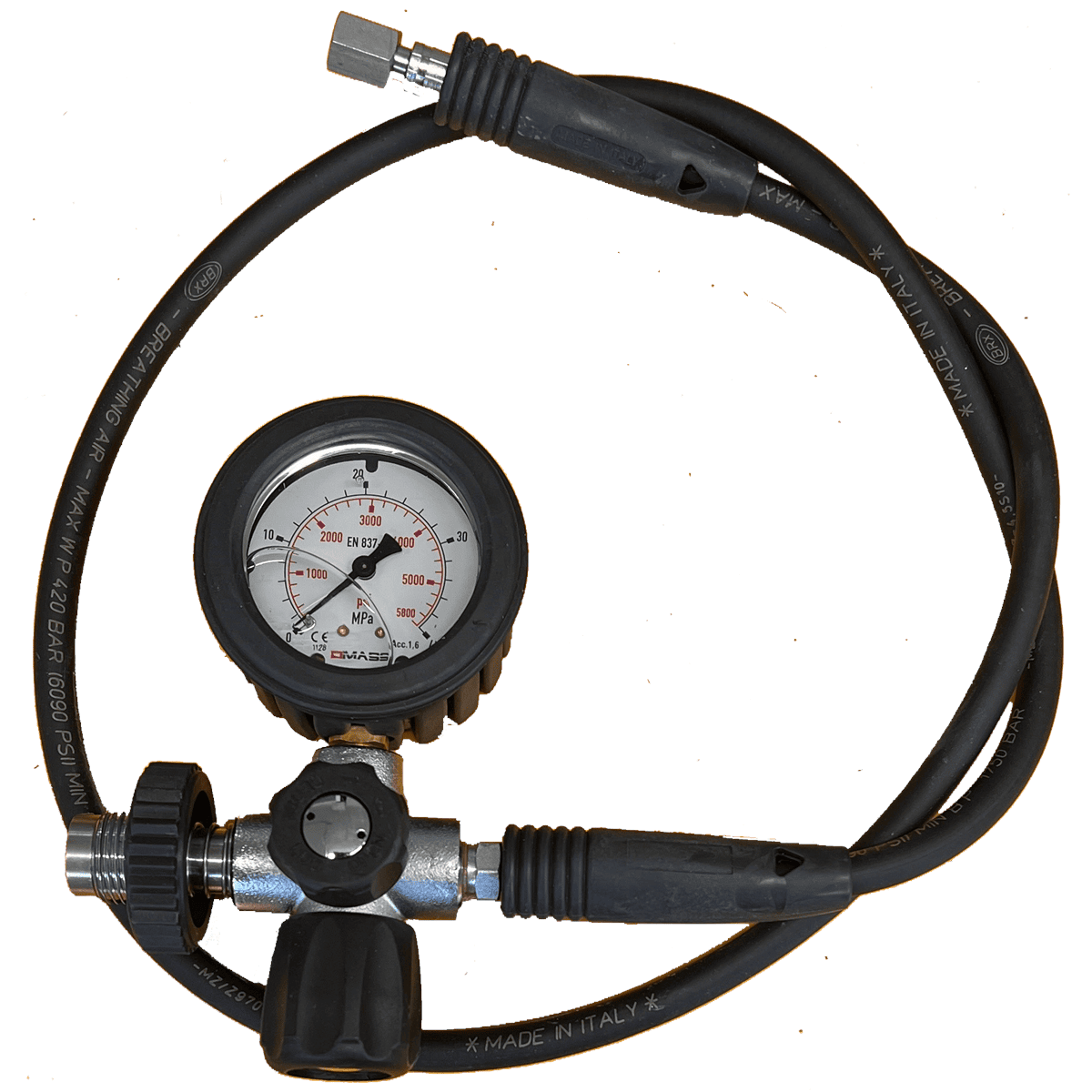
When it comes to breathing air, the stakes are high. Clear standards ensure safety and compliance, especially in diverse environments like diving and industrial settings.
Key Standards for Compliance
To maintain air safety, it’s crucial to understand the main standards set for breathing air. EN 12021 and AS/NZS 2299.1 are key in defining what safe breathing air means in Australia. They outline the necessary measures to ensure that the air is free from harmful contaminants, offering a safety net for users. Adhering to these standards is not just about following rules; it’s about guaranteeing safety for all. For more insights into workplace safety standards, check out this resource.
EN 12021 and AS/NZS 2299.1 Explained
EN 12021 and AS/NZS 2299.1 set the bar for air purity. EN 12021 focuses on the quality of compressed air used in breathing apparatus. It specifies limits for contaminants like carbon monoxide, carbon dioxide, and oil mist. AS/NZS 2299.1, on the other hand, outlines safety practices for diving operations. It ensures that the air quality meets specific standards to prevent health risks. These standards are not mere guidelines; they are essential for safe operation. Compliance helps avoid accidents and ensures peace of mind for operators and users alike.
Diving Compressor Standards in Australia
Diving compressors are vital in providing clean air to divers. In Australia, these compressors must meet strict regulations to ensure safety underwater. Standards ensure that compressors are designed and maintained to prevent contamination. Regular maintenance and monitoring are crucial to meet these standards. This includes checking for oil mist limits and ensuring proper CO monitoring. By following these guidelines, you ensure safe and reliable air supply for every dive.
Routine Testing and Maintenance
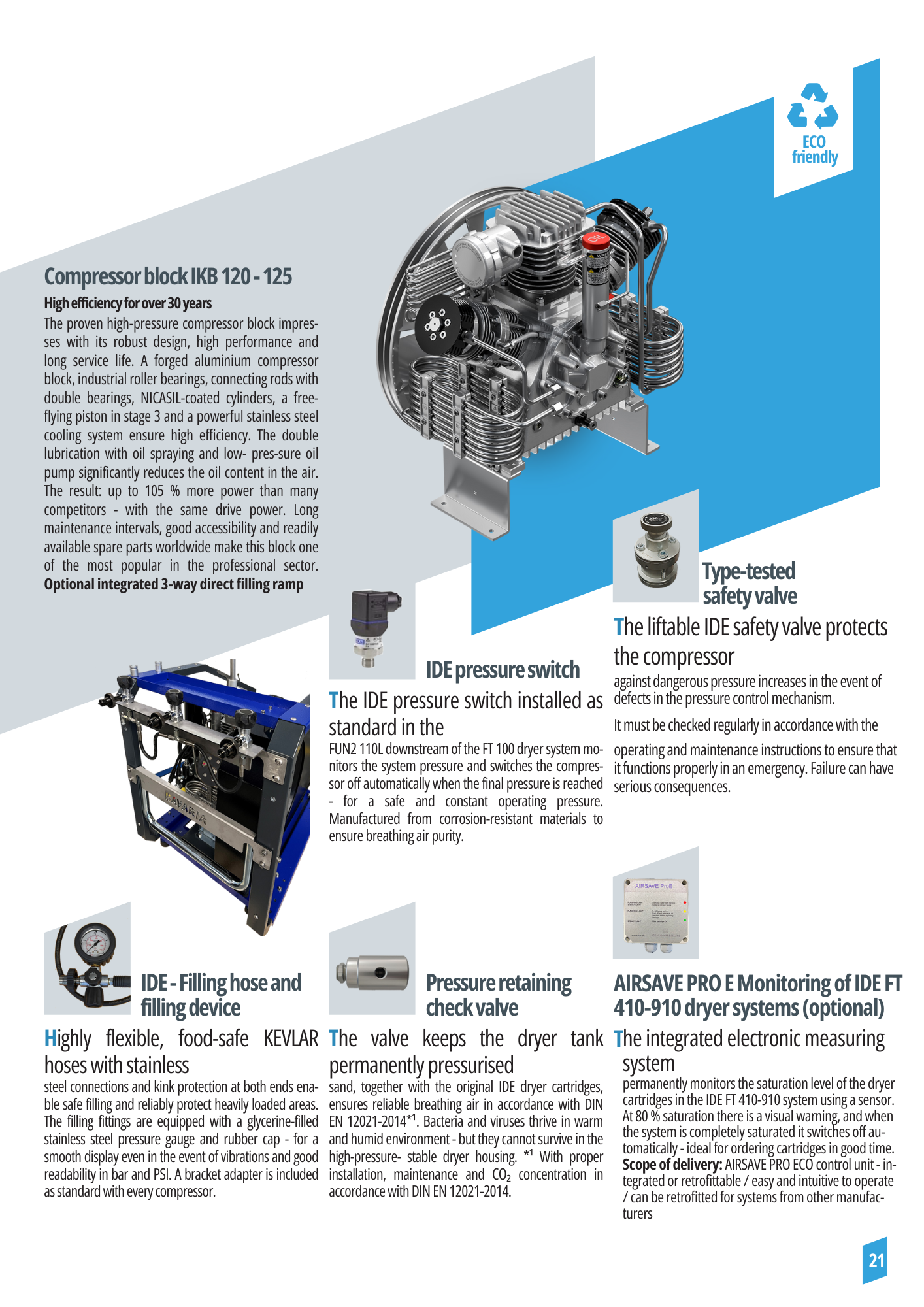
Maintaining air purity isn’t a one-time task; it’s an ongoing commitment. Regular testing and maintenance keep your equipment reliable and your air safe.
Importance of NATA Accredited Air Testing
Testing your breathing air with NATA accredited services ensures accuracy and reliability. Accredited testing checks for contaminants like carbon monoxide and oil mist, ensuring they remain within safe limits. This rigorous process provides confidence that your air is clean and safe. Regular testing prevents issues before they become serious problems, safeguarding both equipment and users.
Setting Up an Effective Testing Schedule
A regular testing schedule ensures that your air remains safe for use. Begin by assessing how often your equipment is used and the environments it operates in. High-usage or harsh environments may require more frequent testing. Implement a schedule that includes both routine checks and comprehensive testing. This proactive approach helps identify potential issues early, preventing costly repairs and ensuring continuous compliance.
Compressor Filtration Media and Maintenance
Keeping your compressor’s filtration media in top condition is crucial for maintaining air purity. Regularly inspecting and replacing filters ensures they effectively remove contaminants like oil and moisture. This not only protects users but also extends the life of your equipment. A well-maintained system reduces downtime and enhances performance, providing safe, clean air consistently.
Compliance and Record-Keeping
Compliance is not just about following standards; it’s about maintaining a reliable and safe environment. Proper record-keeping is key to proving compliance and ensuring accountability.
Mobile Fill Station Compliance Tips
Operating a mobile fill station requires strict adherence to safety standards. Ensure your equipment is regularly tested and maintained. Keep detailed records of every test and maintenance activity. This documentation not only proves compliance but also identifies potential issues early. Staying on top of these requirements keeps your operations smooth and your air safe.
Dive Shop Air Testing Best Practices
Dive shops must ensure their air supply is always safe. Regular air testing is crucial to meet safety standards. Implement best practices by using accredited testing services to verify air quality. Maintain comprehensive records of every test to ensure compliance and accountability. These measures safeguard both your business and your customers’ safety.
Keeping Records for WHS Breathing Air Compliance
Accurate record-keeping is essential for Workplace Health and Safety (WHS) compliance. Maintain detailed logs of all air testing and compressor maintenance. These records provide proof of compliance and help track equipment performance over time. By keeping thorough documentation, you not only meet legal requirements but also enhance operational reliability.
Remember, air purity isn’t just about meeting standards—it’s about ensuring the safety and well-being of everyone who relies on clean, breathable air.