
How air quality monitoring boosts compressor performance, compliance, and confidence
Air quality monitoring isn’t just a box to tick—it directly shapes how well your breathing air compressor performs and keeps you compliant with AS/NZS 2299.1 and EN 12021 breathing air standards. Without it, filter life shortens, running costs climb, and the risk to your air purity grows. In this post, you’ll see how reliable breathing air quality monitoring protects your equipment, reduces expenses, and gives you the confidence to focus on what matters most. For more information, check out this resource.
Enhancing Compressor Performance
Breathing air quality monitoring is essential in optimising compressor performance. It ensures that your system operates efficiently and safely, saving you time and money.
Role of Air Quality Monitoring
Air quality monitoring acts as your first line of defence against potential issues. By continuously checking air composition, you can maintain consistent quality and ensure safe operations. Breathing air quality monitoring involves tracking key contaminants like CO and CO2, as well as moisture and oil vapour levels. This vigilance keeps your compressor in top shape.
Imagine running a marathon without checking your breathing. You might start strong, but soon you’ll tire out. Your compressor is similar. Without monitoring, unseen contaminants can build up, leading to costly breakdowns. By staying alert to air quality, you’re not just protecting your compressor—you’re safeguarding your investment. Learn more about why this is critical here.
Extending Filter Life and Reducing Costs
One of the most significant advantages of air quality monitoring is extending filter life. When you know exactly what’s in your air, you can change filters at the right time—neither too early nor too late. This precision means you won’t waste money on premature replacements. Plus, you avoid the risk of pushing filters beyond their limits, which can lead to system failures.
Consider this: a well-monitored system can cut your filter replacement costs by up to 30%. How? By reducing unnecessary changes and preventing damage. Monitoring also helps detect moisture and oil vapour early, preventing these substances from degrading your filter or compressor. This proactive approach keeps your operations smooth and your expenses down.
Ensuring Compliance and Safety
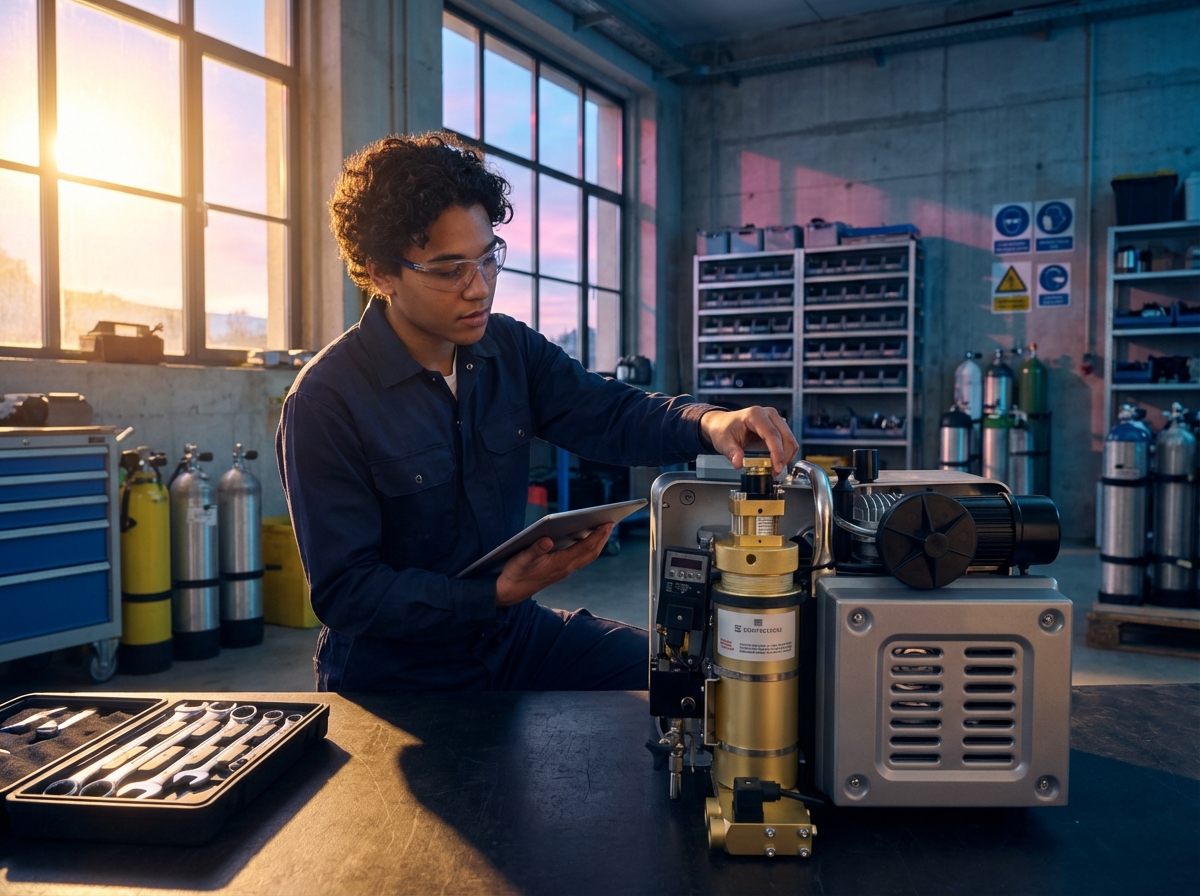
Meeting industry standards is crucial for safety and legal reasons. Monitoring ensures you comply with the latest AS/NZS and EN regulations, protecting both your team and your reputation.
Meeting AS/NZS and EN Standards
Compliance is more than a checkbox—it’s about protecting lives. The AS/NZS 2299.1 and EN 12021 standards are in place to ensure that the air we breathe is safe. Continuous monitoring helps you maintain these standards effortlessly. Learn more about these standards here.
With real-time data, you can quickly address any irregularities before they become major issues. This vigilance reduces the risk of non-compliance and the potential penalties that come with it. Most operators think manual checks are sufficient. But relying solely on periodic testing can leave gaps. By using continuous monitoring, you ensure compliance every minute of every day.
Benefits of CO and CO2 Monitoring
Monitoring CO and CO2 levels is vital for safety. High concentrations can impair judgement and cause serious health issues. By keeping these levels in check, you ensure a safe environment for everyone.
CO and CO2 are sneaky—they’re invisible and odourless. Without proper monitoring, you might never know they’re there until it’s too late. That’s why having a system that alerts you to rising levels is crucial. It gives you the chance to act before anyone is put at risk.
Even a 10% increase in CO can be dangerous. Continuous monitoring allows you to catch these changes early. It’s a small step that can make a massive difference to safety.
Building Confidence and Reliability

When your compressor system is well-monitored, you can trust that it’s performing at its best. This confidence lets you focus on your work, knowing your equipment is reliable.
Protecting Compressor Components
Air quality monitoring isn’t just about what’s in the air—it’s about protecting your equipment. Harmful contaminants can damage compressor components, leading to costly repairs and downtime. By keeping your air clean, you extend the life of your compressor.
Think of it like having a well-oiled machine. When you know your air is pure, you’re not subjecting your compressor to unnecessary wear and tear. This protection is key, especially in harsh environments where reliability is non-negotiable. If you want to dive deeper into this topic, check out this article.
Dew Point and Oil Vapour Testing
Testing for dew point and oil vapour is crucial for both performance and safety. High moisture levels can cause rust and other issues, while oil vapour can contaminate your air. Regular testing helps you maintain ideal conditions.
Dew point testing ensures that moisture levels are low enough to prevent condensation, which can damage your system. Meanwhile, oil vapour testing keeps your air clean and free from contaminants that could compromise safety.
Most people think these checks are optional, but they’re essential for maintaining a high-quality system. By incorporating these tests, you’re not just meeting standards—you’re exceeding them, ensuring the best possible performance and safety for your operations. To understand why testing is vital, see this resource.