
Air quality monitoring in breathing air compressors: what matters and how to get it right
Most breathing air compressors aren’t monitored as closely as they should be—and that’s a risk no diver or operator can afford. When you rely on your scuba compressor in Australia, knowing your breathing air quality meets strict standards like EN 12021 and AS/NZS 2299.1 isn’t optional—it’s essential. This guide breaks down what matters in air quality monitoring and offers a straightforward plan you can trust for safe, compliant breathing air every time. Learn more about breathing air quality testing.
Importance of Air Quality in Breathing Air
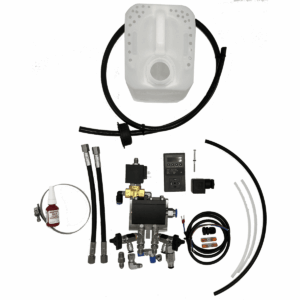
Breathing air quality is not something to gamble with. It’s the backbone of safe diving practices. You need air that’s as pure as promised to dive with peace of mind. Every breath should reinforce trust in your equipment.
Ensuring Safe Diving Practices
Safe diving starts with air that’s free from contaminants. Imagine diving without the fear of harmful gases slipping into your tank. That’s the assurance a reliable scuba compressor in Australia gives. It’s like having a trusted buddy on every dive. When your air is clean, you can focus on the experience, not the risks. Think of it as diving into a world of wonder without the worry.
Standards and Compliance: EN 12021 & AS/NZS 2299.1
These standards are more than just numbers—they are your diving lifeline. EN 12021 and AS/NZS 2299.1 ensure your air is safe. They aren’t just guidelines; they set the benchmark for what your compressor should deliver. Compliance means confidence. By meeting these standards, you’re not just ticking boxes; you’re ensuring every dive is as safe as the last. This is about diving smart and staying secure.
Risks of Poor Air Quality
What happens if the air isn’t clean? It’s a risk you can’t afford. Inhaling poor quality air can lead to headaches or worse—serious health issues. It’s like diving blindfolded, hoping everything will be fine. The truth is, poor air quality can turn a great dive into a dangerous one. Protect yourself by knowing the risks and taking steps to ensure they never become your reality.
Implementing Effective Air Quality Monitoring
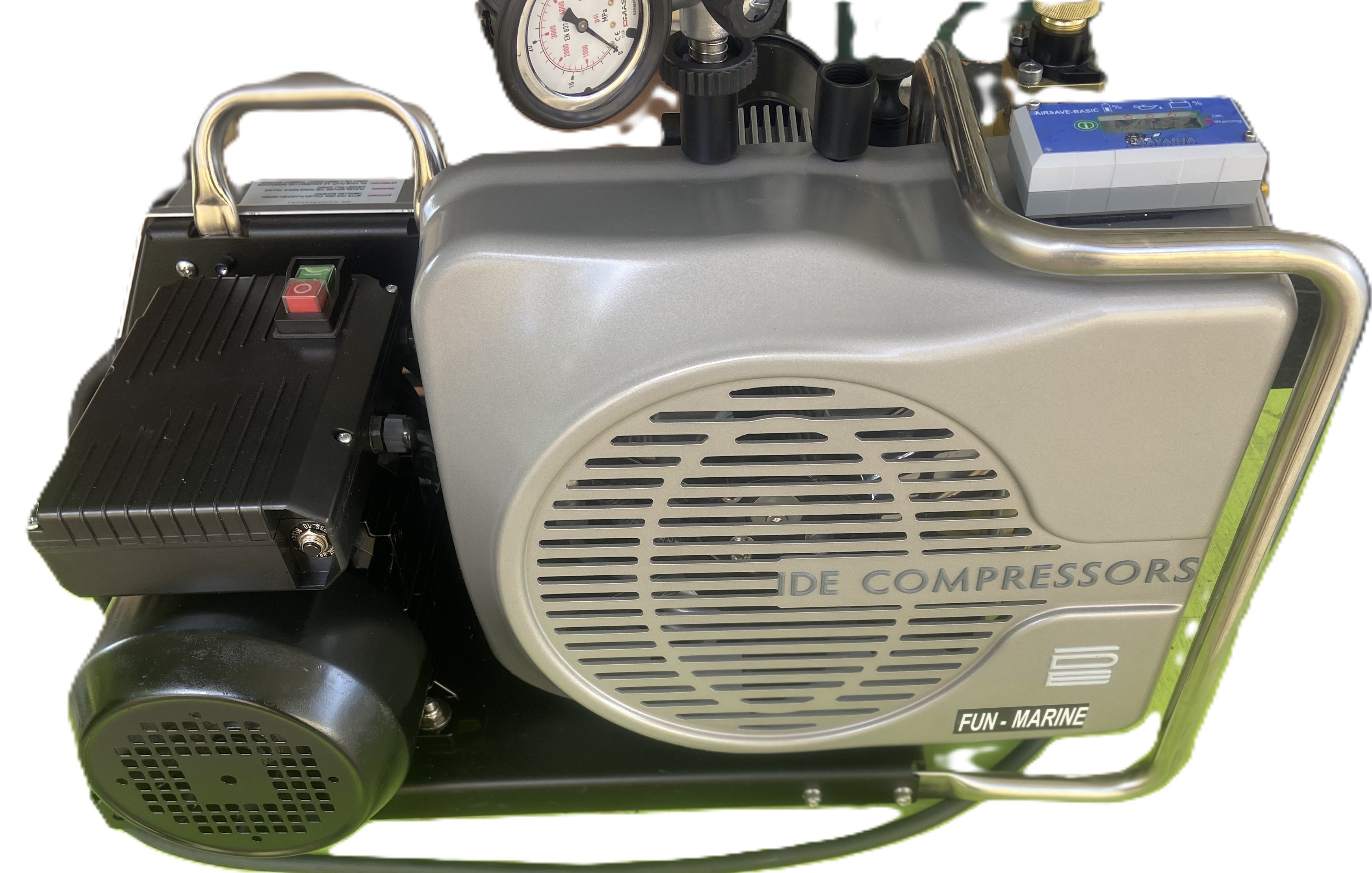
Effective monitoring is the key to maintaining high-quality breathing air. It’s not just about having the tools but using them effectively. Here’s how you can ensure your system is always up to the mark.
Continuous Monitoring Tools
Continuous monitoring tools are your first line of defence. They provide real-time data, ensuring every breath is safe. Imagine having a CO monitor and dew point sensor working tirelessly, like a personal guard for your air supply. These tools alert you to changes, allowing you to act before issues arise. It’s about being proactive, not reactive. With continuous monitoring, surprises are a thing of the past.
Practical Monitoring Plan for Operators
Here’s the key insight: a practical plan is simple yet powerful. Start by scheduling regular checks, ensuring every part of your system is up to scratch. It’s like a routine health check for your compressor. Use an air sampling kit to test the air quality regularly. Keep a log of these checks—documentation is your best friend. It provides a clear picture of your system’s health over time. This plan isn’t just about maintenance; it’s about peace of mind.
Inline CO Monitoring and Dew Point Sensors
Inline CO monitors and dew point sensors are essential. They act as sentinels, watching over your air supply. The carbon monoxide alarm will alert you to any dangerous levels, while the dew point sensor ensures moisture doesn’t spoil your dive. These aren’t just add-ons; they’re crucial components. By integrating these sensors, you’re taking a comprehensive approach to air safety. It’s about more than just compliance—it’s about operating with confidence.
Practical Solutions for Australian Conditions
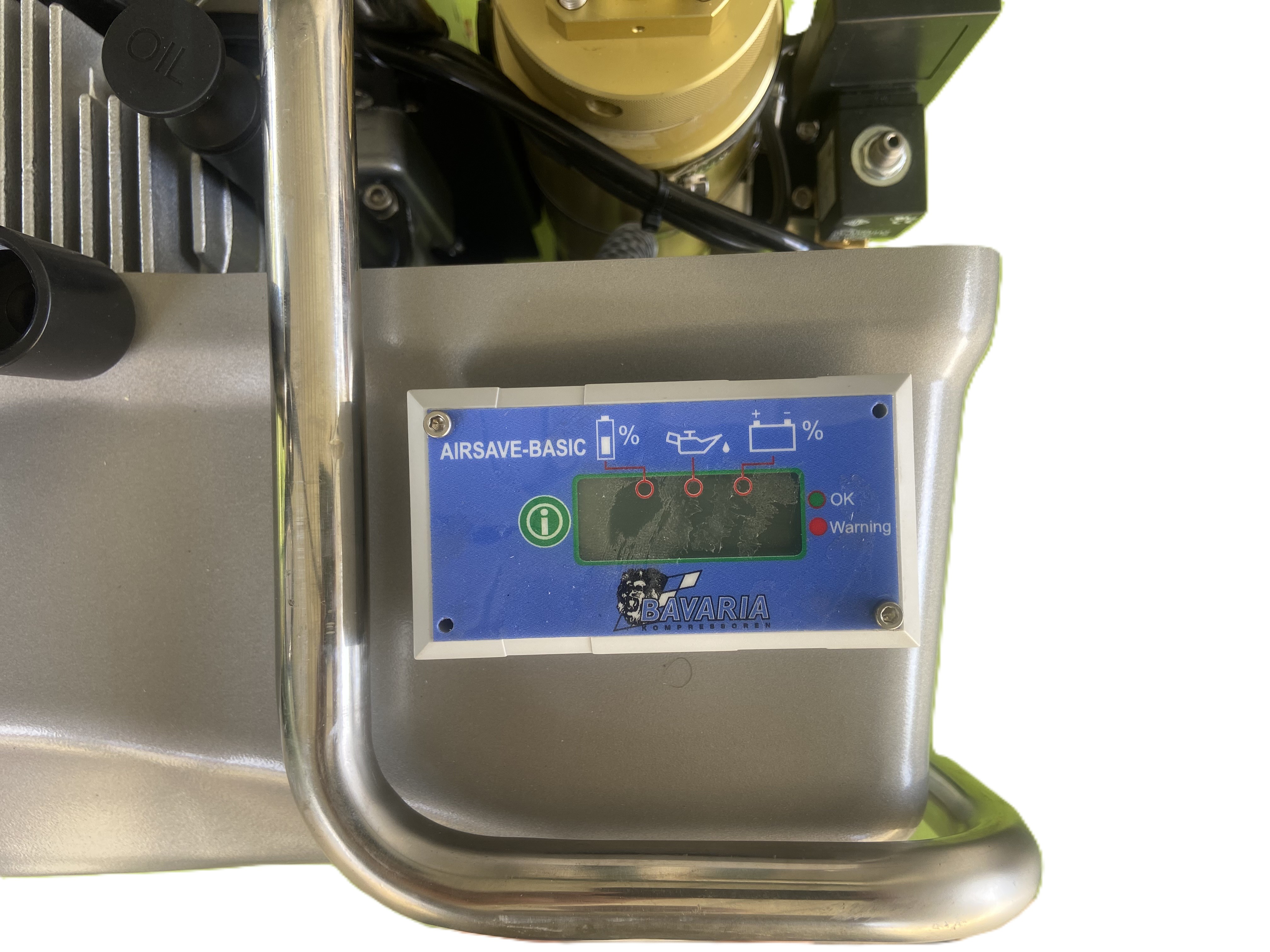
Australia’s unique conditions demand tailored solutions. Here’s how you can equip yourself to meet these challenges head-on.
Selecting IDE Compressors for Local Use
IDE compressors are built for Australian conditions. They’re like the Swiss army knife of compressors—versatile and reliable. Whether you’re in the outback or along the coast, these compressors deliver. They provide robust performance where it matters most. Selecting IDE compressors means choosing systems that are designed with local challenges in mind.
Maintenance and Filter Change Schedule
Maintenance is your best ally in ensuring reliability. Set up a filter change schedule and stick to it. Regular maintenance is like giving your compressor a tune-up, keeping it in peak condition. It’s not just about prolonging life; it’s about ensuring each dive is as safe as the last. Routine checks prevent surprises and keep your operations smooth.
Support and Resources from Safety Stop Australia
We’re here to back you up. At Safety Stop Australia, we provide the support and resources you need. From expert advice to reliable equipment, we’re committed to your success. Our resources are designed to empower you—whether you’re running a dive shop or managing an emergency operation. We’re not just providers; we’re partners in your journey towards safer diving.
By understanding air quality’s importance and implementing effective monitoring, you’re not just meeting standards—you’re setting them. Equip yourself with tools and knowledge, and dive with confidence every time.